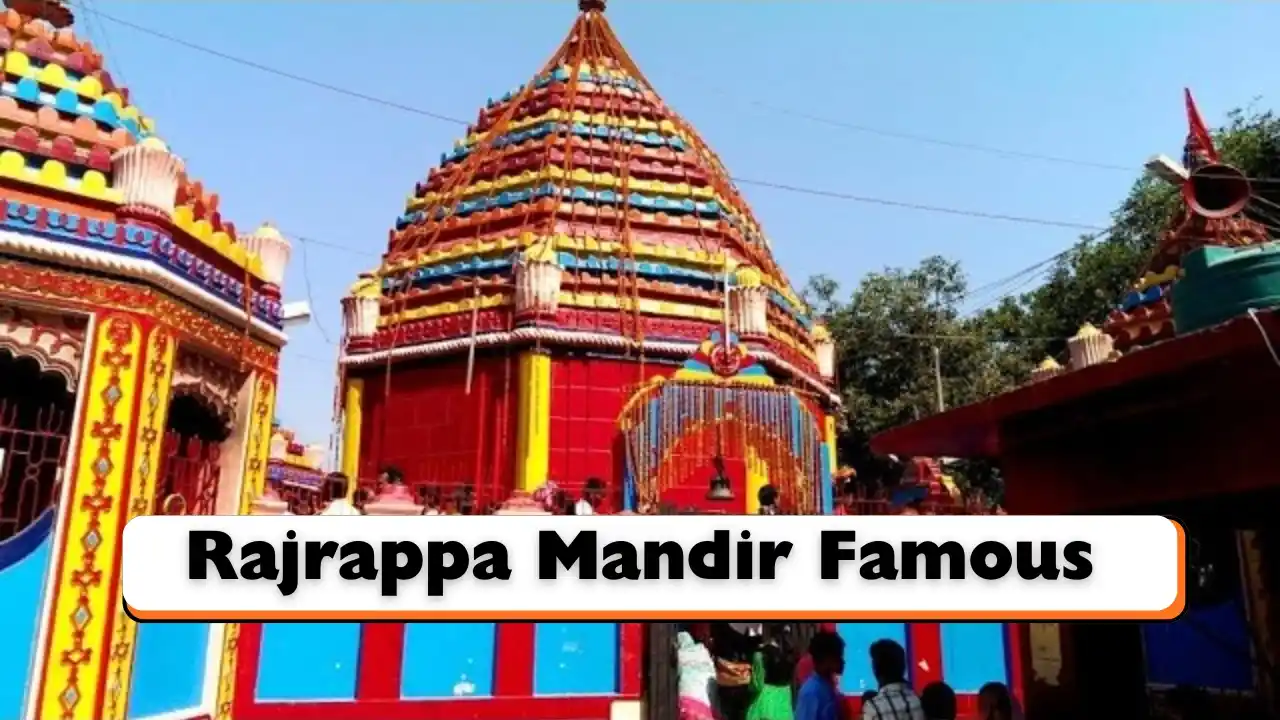
Hidden within the lush green hills and sacred rivers of Jharkhand, the Rajrappa Mandir stands as a timeless symbol of faith, mystery, and divine power. This temple, dedicated to Goddess Chhinnamasta, one of the ten Mahavidyas in Hinduism, attracts thousands of pilgrims every year. The air here feels charged with devotion — it is calm yet filled with energy, simple yet deeply spiritual.
- 1The Divine Location of Rajrappa Mandir
- 2Goddess Chhinnamasta – The Unique Deity of Rajrappa
- 3The Mythological Connection with Goddess Sati
- 4A Temple of Ancient Tantric Power
- 5Unique Rituals and Worship Traditions
- 6Rajrappa as a Cultural Symbol of Jharkhand
- 7Natural Beauty and Spiritual Calm
- 8Miraculous Stories and Devotees’ Faith
- 9Best Time to Visit Rajrappa Mandir
- 10Unknown Facts About Rajrappa Mandir
- 11Conclusion: The Living Spirit of Faith
Rajrappa Mandir is not just a religious place; it is a living legend, a meeting point of mythology, culture, and faith. But what makes this temple so famous? What secrets lie behind its popularity and sacred aura? Let’s explore the unknown religious and cultural facts that make Rajrappa Mandir one of India’s most extraordinary temples.
The Divine Location of Rajrappa Mandir
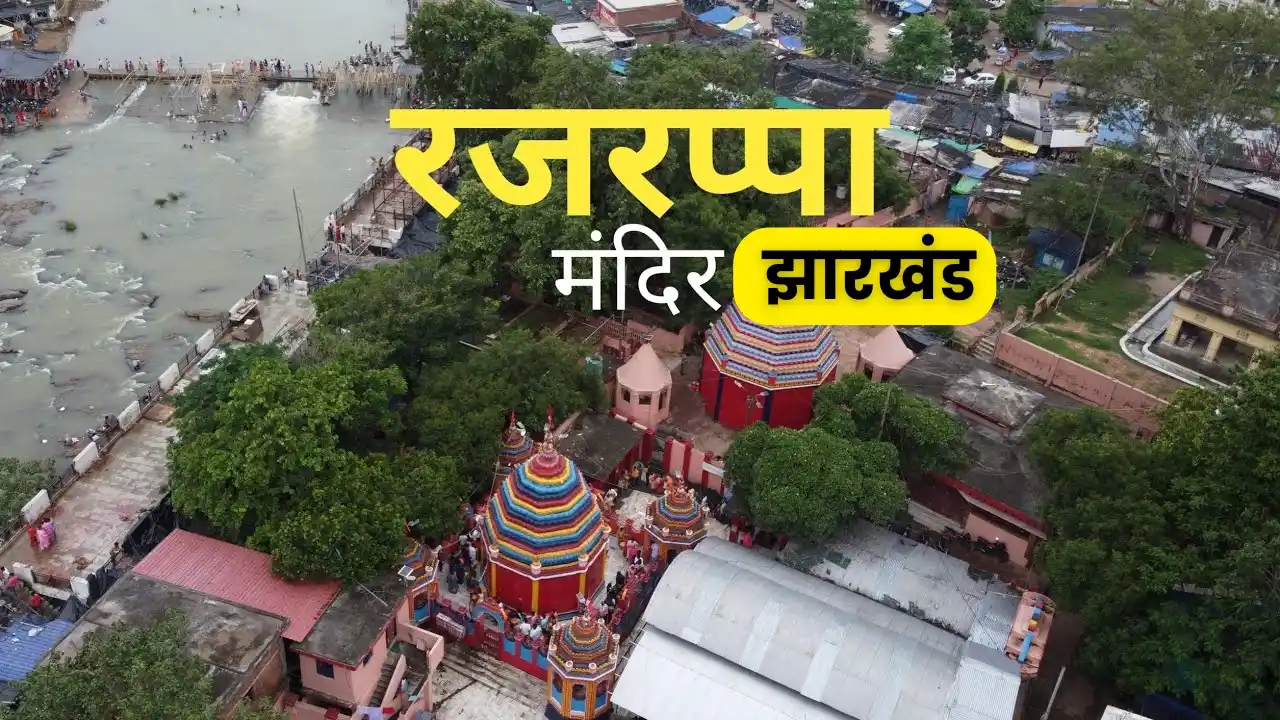
The Rajrappa Temple is located in Ramgarh district, about 80 kilometers from Ranchi, the capital of Jharkhand. What makes this location special is its natural beauty and spiritual energy. The temple stands at the confluence of two holy rivers, Bhairavi and Damodar.
The Bhairavi River flows from the south and merges with the Damodar River coming from the north — a meeting that symbolizes the union of Shiva (masculine energy) and Shakti (feminine power). This natural confluence, or sangam, is believed to be spiritually charged, and bathing here is said to purify the soul.
Surrounded by hills, forests, and the peaceful flow of water, the temple’s setting creates a heavenly atmosphere that draws devotees from all over India.
Goddess Chhinnamasta – The Unique Deity of Rajrappa
The main reason Rajrappa Mandir is famous is because of its presiding deity, Goddess Chhinnamasta. Unlike other forms of the goddess who represent beauty and grace, Chhinnamasta is fierce and powerful. She is depicted as self-decapitated, holding her severed head in one hand and a sword in the other.
From her neck flow three streams of blood — one enters her own mouth, while the other two feed her attendants, Jaya and Vijaya. She stands on the bodies of Kama (desire) and Rati (pleasure), symbolizing victory over lust and material attachments.
Although her form may appear terrifying, her meaning is deeply spiritual. She teaches the world about sacrifice, self-control, and enlightenment. Rajrappa Mandir is one of the few temples in India where this rare and powerful form of the goddess is worshipped.
The Mythological Connection with Goddess Sati
Rajrappa’s fame also comes from its strong link to the legend of Goddess Sati and Lord Shiva. According to ancient texts, when Sati immolated herself at her father’s yagna, Lord Shiva, overcome with grief, carried her body across the universe. To bring peace and restore cosmic order, Lord Vishnu used his Sudarshan Chakra to cut Sati’s body into 51 pieces.
It is believed that the head of Sati fell at Rajrappa, making it one of the 51 Shakti Peethas in India. This connection makes Rajrappa a sacred and powerful center of divine feminine energy.
Every year, thousands of devotees visit this temple to experience that same spiritual force which once calmed the rage of Lord Shiva and restored harmony to the universe.
A Temple of Ancient Tantric Power
Another reason for Rajrappa Mandir’s fame lies in its association with Tantric practices. The goddess Chhinnamasta is known as a Tantric deity, and the temple has been a center for Tantric worship for centuries.
The location — where two rivers meet — is considered ideal for Tantric sadhanas (spiritual rituals). According to tradition, such places enhance the spiritual energy required for deep meditation and awakening of Kundalini Shakti (inner power).
During special nights such as Navratri, Amavasya (new moon), and Purnima (full moon), devotees and Tantric practitioners gather at Rajrappa to perform secret rituals and prayers. It is said that those who meditate here with a pure heart can feel a deep spiritual awakening.
Unique Rituals and Worship Traditions
The daily rituals at Rajrappa Mandir are filled with devotion and tradition. Every morning, priests perform aarti with lamps and conch shells, filling the temple with divine light and sound.
In earlier times, animal sacrifices (bali) were a common offering to the goddess, symbolizing the surrender of ego and negative energies. Today, however, most devotees perform symbolic sacrifices, offering coconuts, sweets, and red cloth instead.
During festivals, the temple becomes a vibrant center of devotion. The chants of “Jai Maa Chhinnamasta” echo through the hills, and devotees gather in thousands to witness the goddess’s aarti and seek her blessings.
Rajrappa as a Cultural Symbol of Jharkhand
Beyond religion, Rajrappa Mandir holds great cultural importance for the people of Jharkhand and neighboring states. It is not just a place of worship — it is a part of their heritage and identity.
Local communities celebrate fairs and festivals around the temple throughout the year. Handicraft stalls, local food vendors, and folk music performances create a festive environment that reflects the spirit of Jharkhand’s rich traditions.
For villagers, visiting Rajrappa is a family event — a moment to connect with their roots and thank the goddess for protection, prosperity, and peace.
Natural Beauty and Spiritual Calm
One of the most mesmerizing aspects of Rajrappa Mandir is its natural beauty. The sight of the two rivers merging, the surrounding hills covered in greenery, and the clear blue sky together create a landscape that feels almost divine.
Many visitors come not only for worship but also to experience the peaceful and meditative atmosphere. Early morning, when the first rays of sunlight touch the river and temple bells ring in the distance, it feels as if nature itself is offering prayers to the goddess.
Pilgrims often describe Rajrappa as a place where “the mind becomes silent and the soul starts speaking.”
Miraculous Stories and Devotees’ Faith
Over centuries, countless devotees have shared stories of miracles associated with Rajrappa Mandir. Some claim that their long-pending wishes were fulfilled after praying here. Others speak of finding peace, healing, or solutions to life’s problems after visiting the goddess.
Local people believe that the goddess never lets any true devotee return empty-handed. This deep faith is what keeps the temple alive — generation after generation. Even those who visit once often return again, drawn by the invisible force of Maa Chhinnamasta’s blessings.
Best Time to Visit Rajrappa Mandir
The best time to visit Rajrappa Mandir is between October and March, when the weather is pleasant and the rivers are calm. The temple sees its largest crowds during Navratri, Durga Puja, and Chhath Puja.
During these festivals, the entire area glows with diyas and colorful decorations. The night aarti during Navratri is especially beautiful — the temple, lit by thousands of lamps, seems to shine with divine energy.
Unknown Facts About Rajrappa Mandir
- Rajrappa Mandir is believed to be thousands of years old, though its exact construction date is unknown.
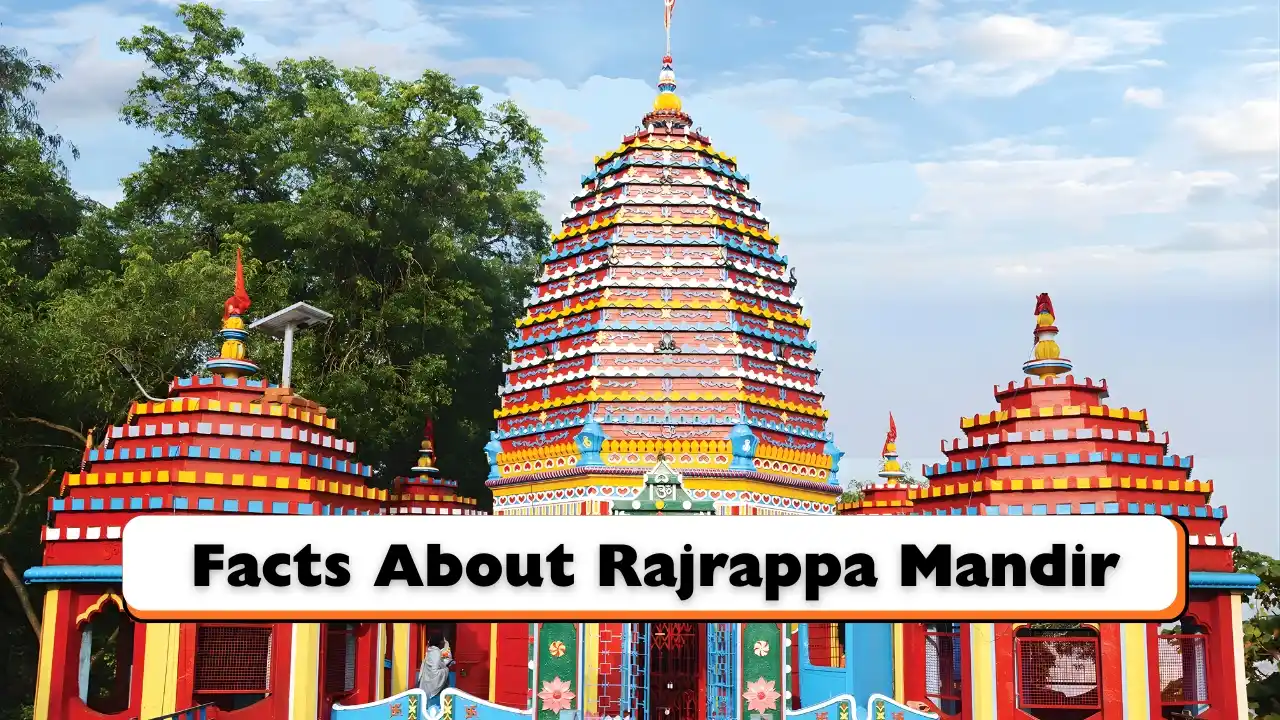
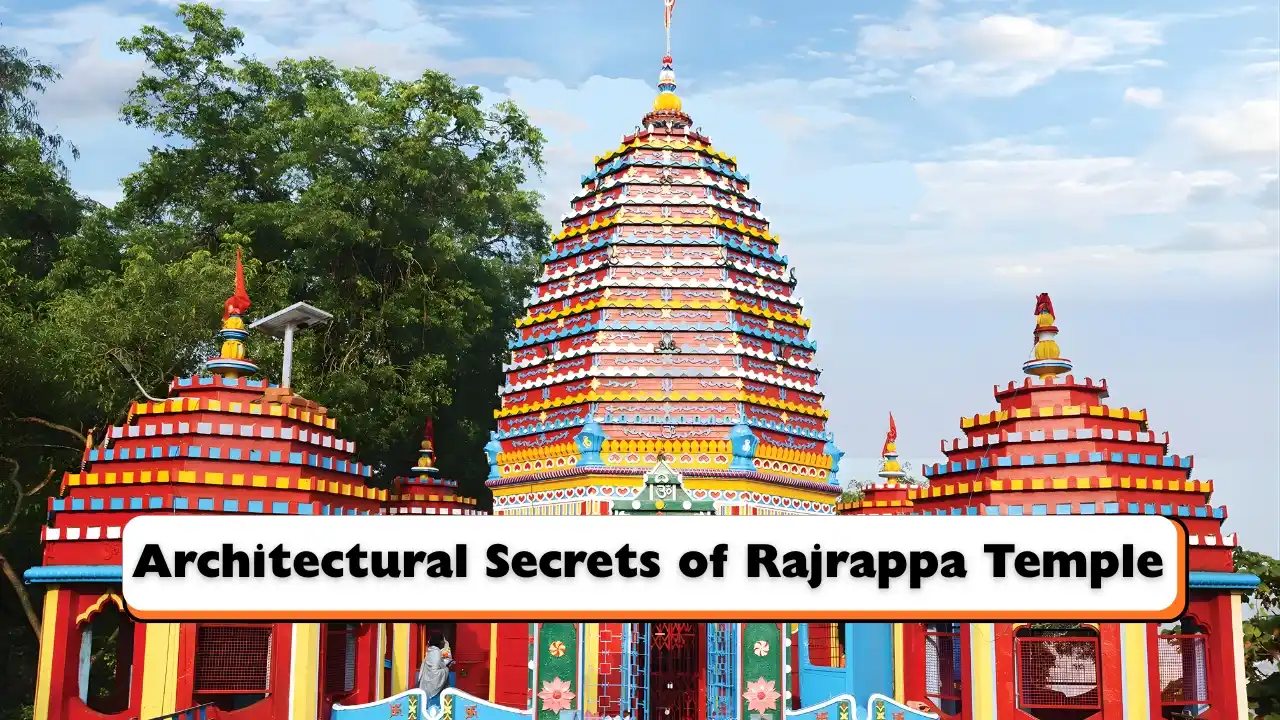
- The temple’s architecture follows Tantric design principles, focusing on energy flow rather than height or decoration.
- The word “Rajrappa” is derived from “Raj” (king) and “Rappa” (waterfall), referring to the nearby river cascade.
- The Bhairavi River near the temple is said to have no visible source, adding to the site’s mystery.
- The idol of Chhinnamasta is self-manifested — not sculpted by humans.
- It is one of the few temples in the world where the goddess is worshipped in her beheaded form.
- The temple is believed to be part of a spiritual triangle that connects Kamakhya (Assam), Tarapith (West Bengal), and Rajrappa (Jharkhand).
- Locals believe that during storms or heavy rains, the goddess protects the area from natural disasters.
Conclusion: The Living Spirit of Faith
Rajrappa Mandir is famous not just because of its age or architecture, but because of the energy that lives within it. It is a place where mythology meets reality, where faith meets nature, and where devotion meets divine power.
The goddess Chhinnamasta reminds her devotees that life is not about fear or control — it is about sacrifice, awareness, and transformation. Her message is timeless: to rise above ego, desire, and pain to find true spiritual freedom.
When one stands before her idol, surrounded by rivers and chants, it becomes clear why Rajrappa Mandir is not just famous — it is eternal.