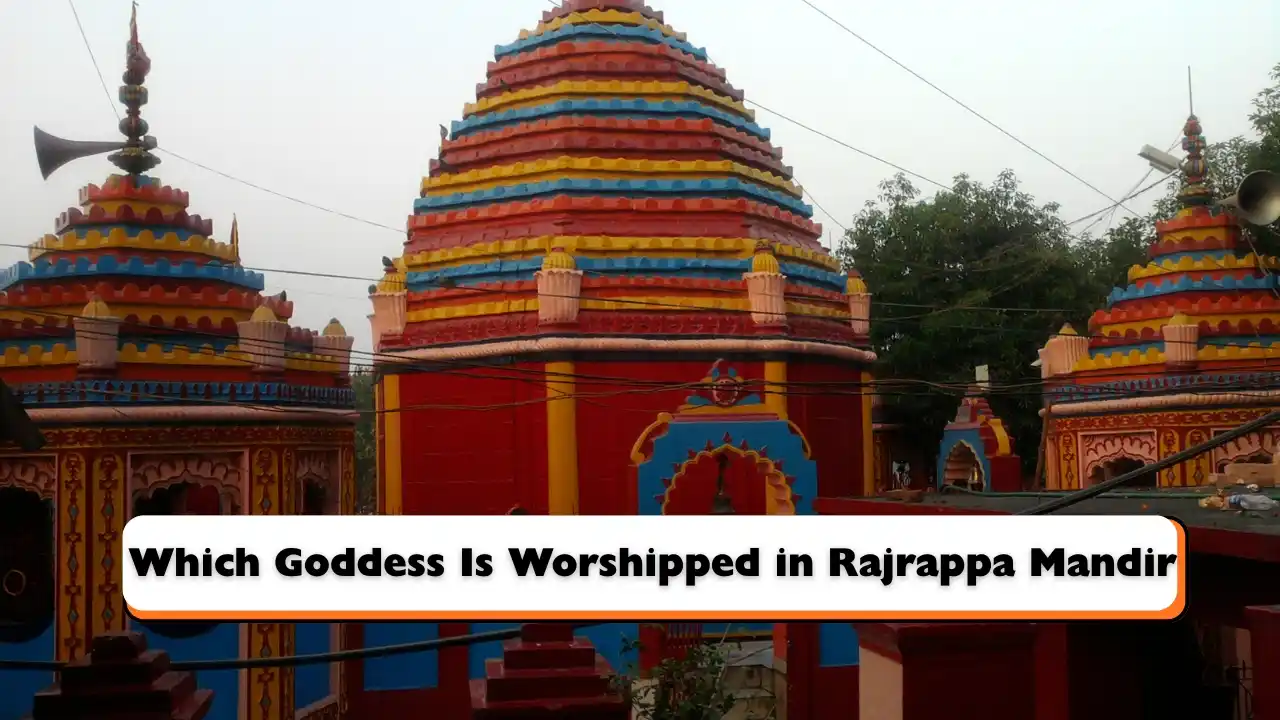
In the quiet hills of Jharkhand, surrounded by rivers and forests, stands the Rajrappa Mandir, one of India’s most mysterious and spiritually charged temples. The temple is dedicated to Goddess Chhinnamasta, a powerful and unique form of Shakti, the divine feminine energy. Thousands of devotees visit this sacred place every year to bow before her and seek her blessings. The story of Goddess Chhinnamasta is unlike any other in Hindu mythology — a tale that combines devotion, sacrifice, power, and enlightenment.
- 1The Divine Location of Rajrappa Mandir
- 2Who Is Goddess Chhinnamasta?
- 3The Mythological Story of Goddess Chhinnamasta
- 4Symbolism and Meaning Behind Her Form
- 5Connection Between Goddess Chhinnamasta and Rajrappa Mandir
- 6The Worship and Rituals of Goddess Chhinnamasta
- 7The Spiritual Significance of Rajrappa Mandir
- 8Lessons from the Goddess’s Story
- 9Devotees’ Faith and Experiences
- 10Conclusion: The Power and Grace of Goddess Chhinnamasta
The Divine Location of Rajrappa Mandir
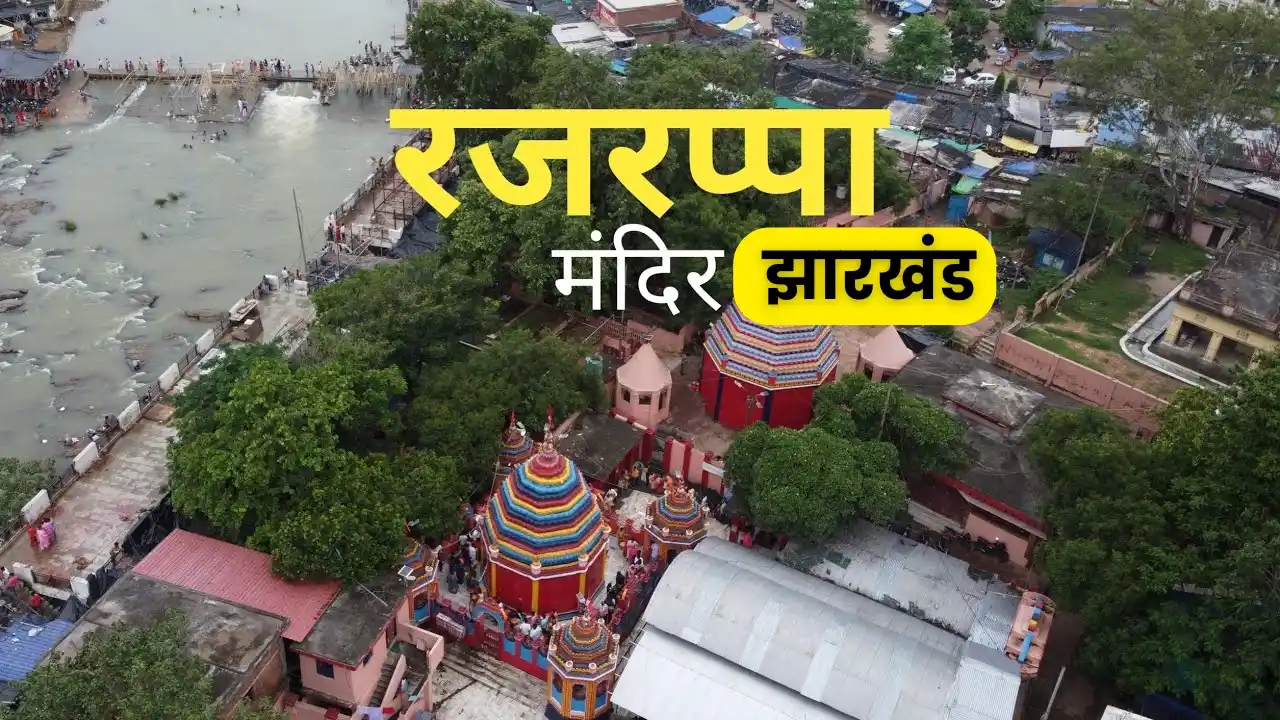
Rajrappa Mandir is located at the confluence of the Bhairavi and Damodar Rivers, in Ramgarh district, Jharkhand. The temple is about 80 kilometers from Ranchi and is surrounded by nature’s beauty. The merging of these two rivers is believed to represent the union of masculine and feminine energies — Shiva and Shakti.
The atmosphere here feels different. The soft murmur of rivers, the sound of temple bells, and the faint fragrance of incense fill the air with peace and mystery. It is said that the moment one steps into Rajrappa, the mind becomes calm and the heart feels connected to a divine presence.
Who Is Goddess Chhinnamasta?
Goddess Chhinnamasta is one of the ten Mahavidyas, or ten great wisdom goddesses, in Hindu tradition. Her name literally means “the beheaded one.” She is often depicted as a fierce and self-decapitated goddess, standing on the bodies of Kama (desire) and Rati (pleasure) while holding her own severed head in one hand and a sword in the other.
Three streams of blood flow from her neck — one enters her own mouth, and the other two feed her attendants, Jaya and Vijaya.
At first glance, her form seems terrifying. But behind this intense image lies a deep and beautiful spiritual message — the victory of self-control over desire, the balance of life and death, and the transformation of ignorance into wisdom.
The Mythological Story of Goddess Chhinnamasta
Long ago, Goddess Parvati, the divine consort of Lord Shiva, was bathing with her attendants Jaya and Vijaya in a river after a long day. After some time, the attendants felt hungry and asked the goddess to give them food. Parvati smiled but decided to teach them a lesson about life and sacrifice.
Without hesitation, she drew her sword and cut off her own head. From her neck flowed three streams of blood — one into her own mouth, and the other two into the mouths of her hungry attendants. Jaya and Vijaya drank the blood and their hunger vanished instantly.
Parvati, now in her fierce form, was transformed into Chhinnamasta, the self-decapitated goddess.
This act symbolized the eternal truth that life and death are one, and that true enlightenment comes through sacrifice and control over desire. Despite the fierce act, the face of Chhinnamasta remains calm and blissful, showing that she has conquered the physical self and achieved complete spiritual freedom.
Symbolism and Meaning Behind Her Form
Every part of Goddess Chhinnamasta’s image carries deep spiritual symbolism:
- Her Self-Decapitation shows detachment from the physical world and complete surrender to divine truth.
- The Blood Streams represent the life force (prana) that nourishes all beings.
- Standing on Kama and Rati symbolizes that she has mastered desire and lust.
- Her Calm Face amidst this fierce form represents peace and enlightenment that comes after self-realization.
In simpler words, Chhinnamasta teaches that one must cut off the ego and control one’s desires to achieve true freedom. Her energy is both destructive and creative, reminding us that creation often begins where destruction ends.
Connection Between Goddess Chhinnamasta and Rajrappa Mandir
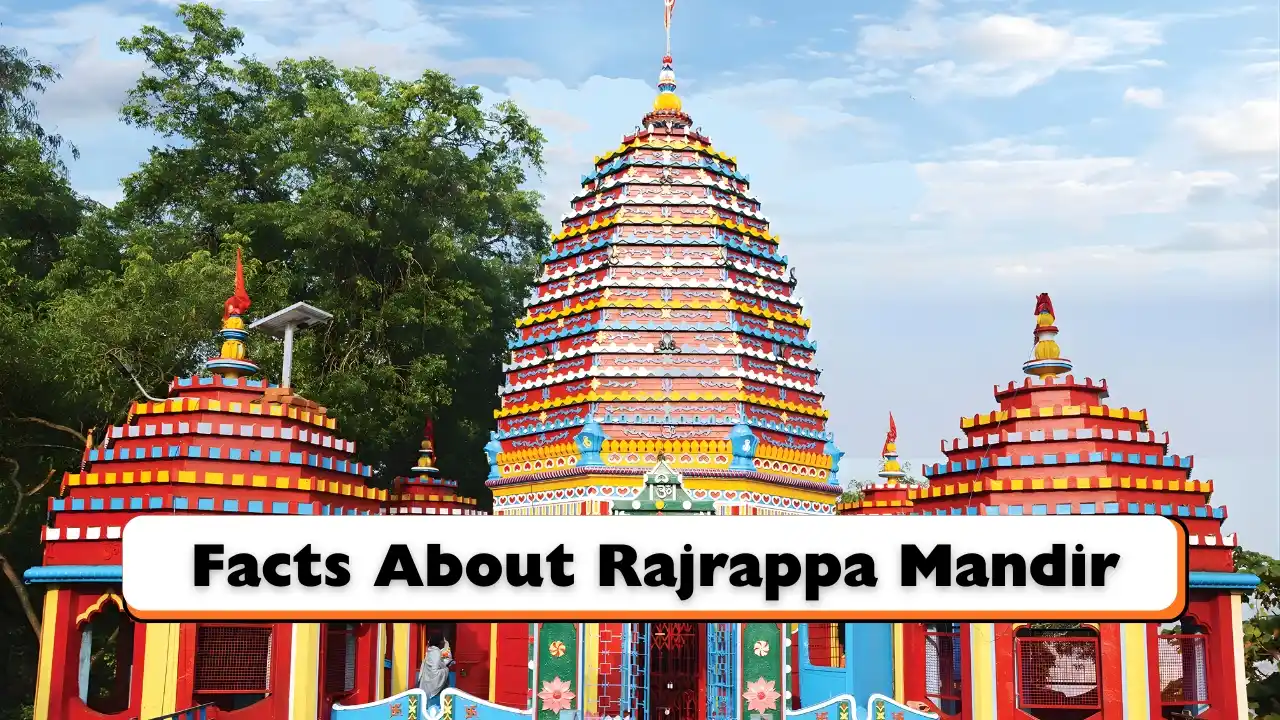
The Rajrappa Mandir is one of the very few temples in India where Goddess Chhinnamasta is worshipped as the main deity. According to mythology, when Goddess Sati immolated herself at her father’s yagna, Lord Shiva carried her body and wandered in grief. To bring balance back to the universe, Lord Vishnu used his Sudarshan Chakra to cut her body into pieces.
The head of Goddess Sati is believed to have fallen at the spot where Rajrappa Mandir stands today. Hence, this place became a Shakti Peeth, and here the goddess is worshipped as Chhinnamasta — the form representing divine sacrifice and spiritual awakening.
This belief gives the temple its extraordinary energy. Devotees who visit Rajrappa say they feel the goddess’s presence not only in the idol but in every stone, tree, and sound around the temple.
The Worship and Rituals of Goddess Chhinnamasta
Every morning and evening, priests perform aarti and puja dedicated to the goddess. The rituals are filled with mantras and the sound of conch shells. The aarti time is considered very sacred — devotees believe that during this period, the goddess’s energy fills the surroundings with divine light.
In ancient times, devotees offered animal sacrifices (bali) to the goddess as a sign of surrendering their negative qualities and ego. Over the years, these have been replaced by symbolic offerings like coconuts, red cloth, and sweets.
Devotees from all over Jharkhand, Bihar, West Bengal, and Nepal come here, especially during Navratri and Durga Puja, to seek blessings. Many believe that Maa Chhinnamasta fulfills every true wish if prayed to with a pure heart.
The Spiritual Significance of Rajrappa Mandir
The temple stands where two holy rivers — Bhairavi and Damodar — meet. The place is not just a geographical location but a spiritual energy center. The Bhairavi River, named after a fierce form of Shakti, represents the goddess’s power, while the Damodar represents Lord Shiva’s calm nature.
Their meeting symbolizes the union of creation and destruction, the eternal dance of energy that sustains the universe. Bathing at this confluence is believed to wash away sins and purify the soul before offering prayers to the goddess.
The atmosphere is filled with chants of “Jai Maa Chhinnamasta,” the sound of temple bells, and the rustling of leaves. The feeling of standing there, looking at the flowing rivers and the ancient shrine, is beyond words — it feels like time has stopped, and you are standing before the source of all energy.
Lessons from the Goddess’s Story
The story of Goddess Chhinnamasta is not just about power — it is about understanding life’s balance. She teaches that real strength comes not from control over others, but from control over oneself. Her act of self-sacrifice shows that the path to enlightenment requires courage and surrender.
In today’s world, where desires and distractions are endless, the goddess’s message is even more relevant — cut off your ego, share your energy with others, and live a life of compassion and balance.
Devotees’ Faith and Experiences
Every devotee who visits Rajrappa Mandir carries a story — stories of miracles, answered prayers, and peace. Many say that even one visit to the temple brings clarity and courage to face life’s challenges.
The temple becomes especially vibrant during festivals. The sound of drums, the glowing lamps, and the chanting of thousands of devotees together create an energy that touches every heart. Even after leaving, people say they can still feel Maa Chhinnamasta’s blessings with them.
Conclusion: The Power and Grace of Goddess Chhinnamasta
Goddess Chhinnamasta is both fierce and compassionate, terrifying yet deeply protective. She represents the cycle of life and death, reminding us that both are parts of one divine truth.
At Rajrappa Mandir, she is worshipped not just as a goddess, but as a living force of energy the mother who destroys ignorance and awakens wisdom. Standing before her, one feels humility, devotion, and the realization that every soul is a reflection of the same divine power.
Rajrappa Mandir is not just a temple — it is a journey into the heart of spirituality, where faith meets mystery, and where the Goddess Chhinnamasta continues to bless her devotees with strength, peace, and transformation.