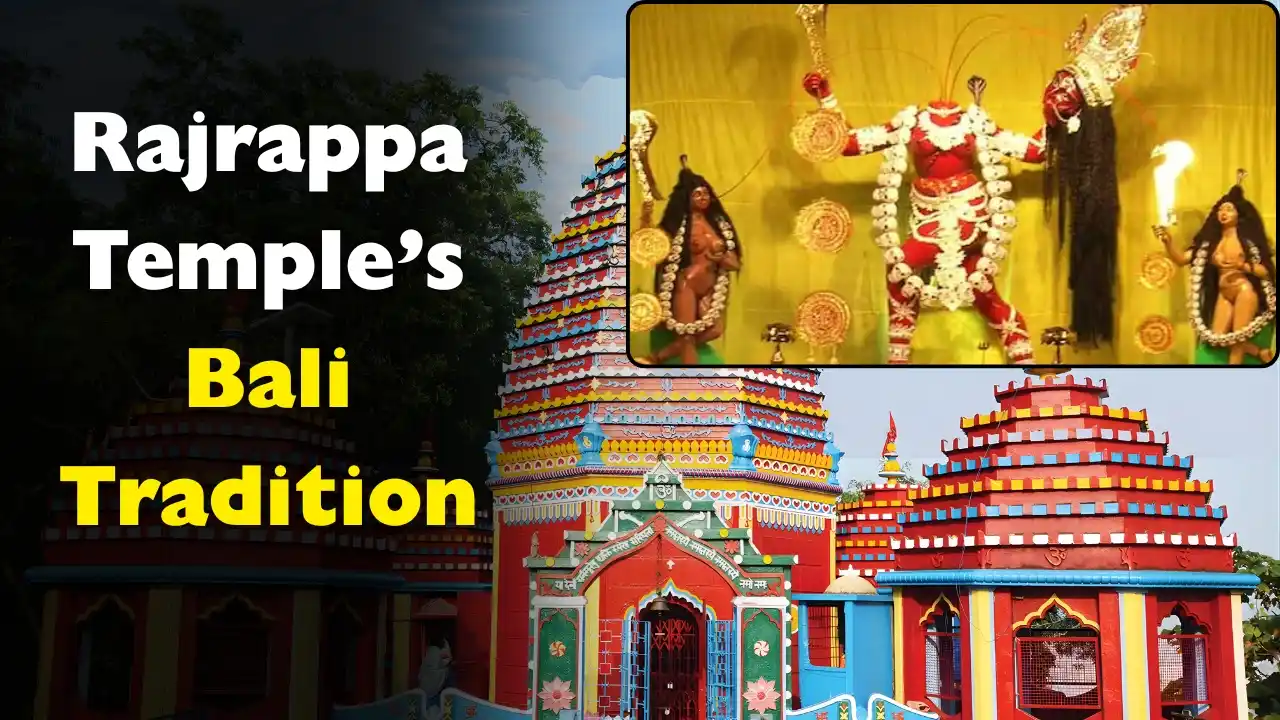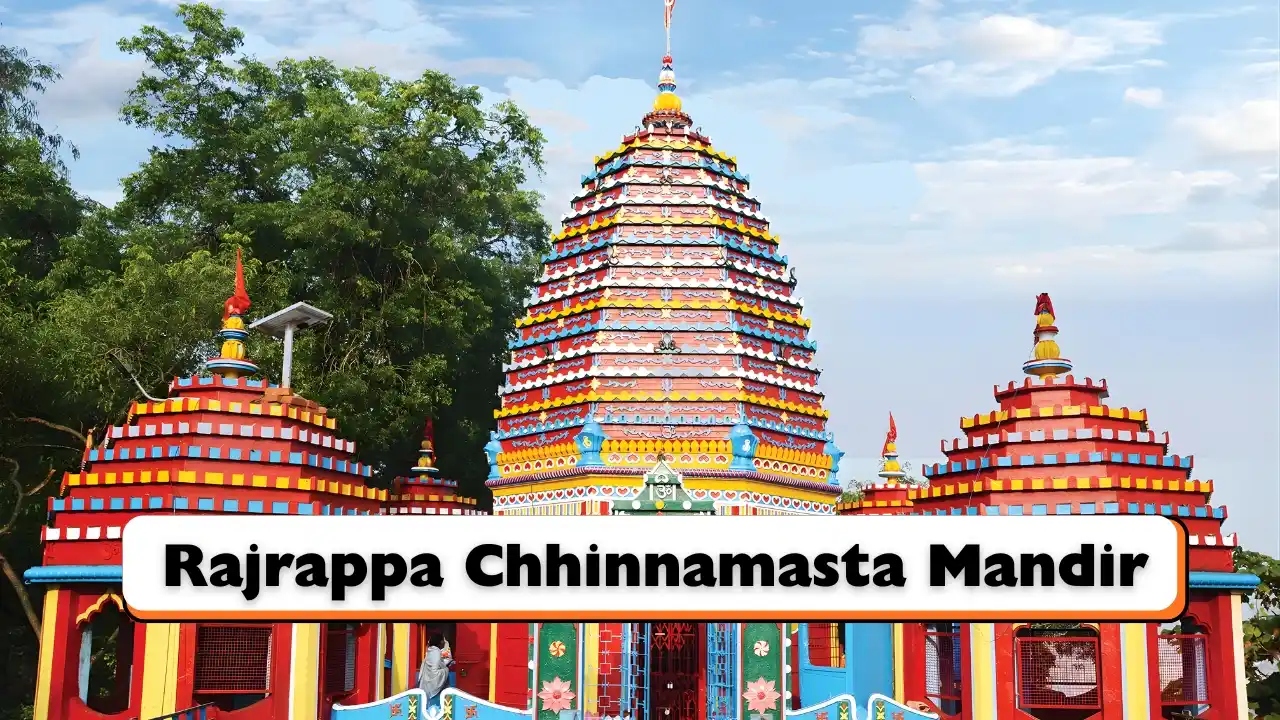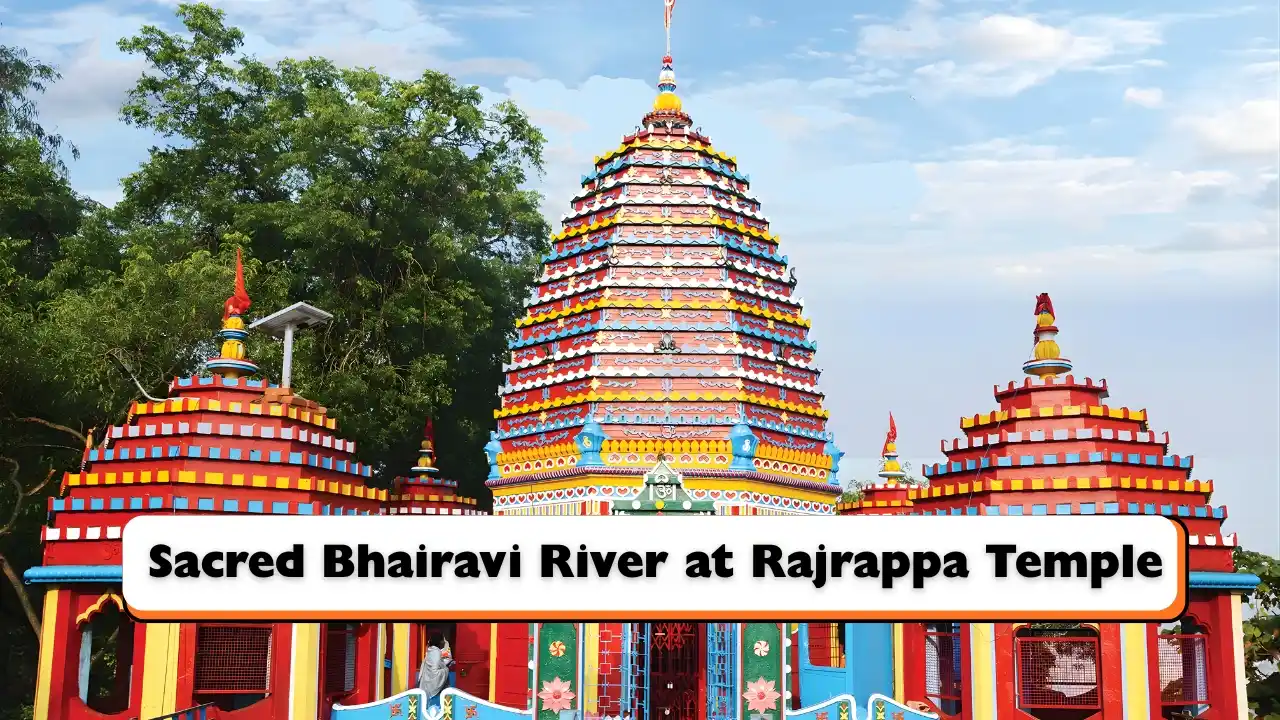
Flowing through the heart of Jharkhand, surrounded by thick forests and rocky hills, the Bhairavi River carries not just water but centuries of devotion, mystery, and divine energy. It is no ordinary river — it is the sacred lifeline of the Rajrappa Temple, one of India’s most powerful Shakti Peeths, dedicated to Goddess Chhinnamasta.
- 1The Divine Connection of the Bhairavi River
- 2The Mythological Story of the Bhairavi River
- 3The Meeting of Two Rivers – Bhairavi and Damodar
- 4The Bhairavi River and Goddess Chhinnamasta
- 5Spiritual Symbolism of the Bhairavi River
- 6Rituals and Worship Along the Bhairavi River
- 7The Natural Beauty of the Bhairavi River
- 8A River That Flows Through Faith
- 9Conclusion – The Living Spirit of the Goddess
At the Rajrappa Temple, located in the Ramgarh district, the Bhairavi River merges with the Damodar River — a confluence believed to be the meeting point of Shakti (energy) and Shiva (consciousness). The place where these two rivers unite is not just a geographical site but a spiritual center that radiates divine vibrations.
This article explores the mythological significance, spiritual symbolism, and devotional importance of the Bhairavi River — the sacred river that gives Rajrappa Temple its eternal power and beauty.
The Divine Connection of the Bhairavi River
The Bhairavi River is considered sacred because of its association with Goddess Bhairavi, one of the ten Mahavidyas — the fierce forms of Shakti, the divine feminine energy. In Hindu mythology, Bhairavi is known as the terrible beauty of time, the goddess who destroys ignorance and purifies the soul through wisdom.
At Rajrappa Mandir, the river is believed to be the earthly manifestation of this goddess. Flowing swiftly and fearlessly through rocks and valleys, she represents Shakti in motion — powerful, unstoppable, and full of life.
When she meets the calm and steady Damodar River, it symbolizes the merging of energy and consciousness, the same balance that is worshipped in the form of Maa Chhinnamasta and Lord Shiva inside the temple.
The Mythological Story of the Bhairavi River
According to ancient legends, after Sati (Parvati) immolated herself during the Daksha Yagna, Lord Shiva carried her body in deep grief and anger. To restore balance, Lord Vishnu released his Sudarshan Chakra, which cut Sati’s body into fifty-one pieces. Each spot where a part of her body fell became a Shakti Peeth — a sacred site of feminine power.
It is said that the head of Sati fell at Rajrappa, and from that very place, the Bhairavi River emerged. The river thus became a living symbol of the goddess’s power, flowing with her divine energy and eternal grace.
Local mythology says that the river was born from the tears of Bhairavi, the fierce protector of Goddess Chhinnamasta, who wept in devotion after witnessing her goddess’s act of self-sacrifice. Those tears turned into a sacred stream — the Bhairavi River — forever bound to the divine purpose of worship and purification.
The Meeting of Two Rivers – Bhairavi and Damodar
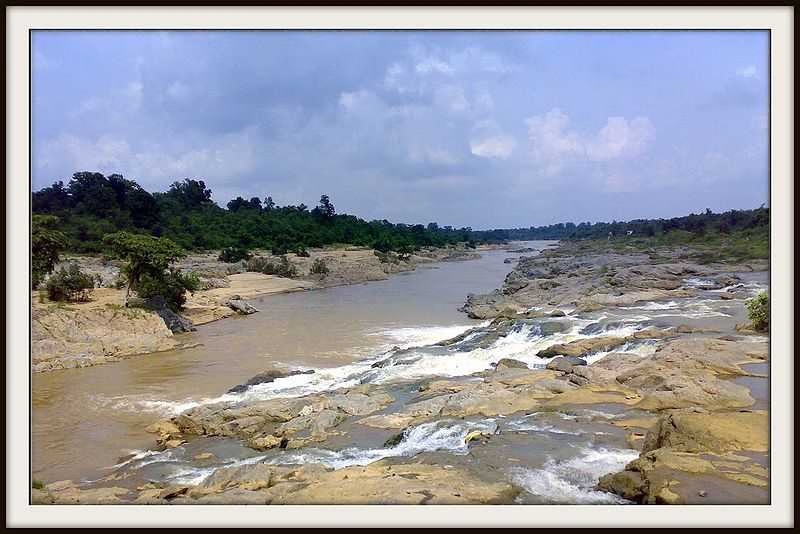
The confluence (sangam) of the Bhairavi and Damodar Rivers at Rajrappa is one of the most breathtaking and spiritually charged sites in eastern India.
- The Bhairavi River, flowing from the south, is associated with feminine power and transformation.
- The Damodar River, flowing from the north, symbolizes Shiva’s calm and infinite consciousness.
As these two rivers meet, they form a ‘Yoni’ shaped confluence, representing the creative power of the universe — the eternal source from which all life emerges. This is why the Rajrappa Temple, dedicated to Goddess Chhinnamasta, is built right at this sacred junction.
Devotees believe that taking a holy dip in the Sangam cleanses sins, balances energy, and connects one’s soul directly to the divine. The waters are said to carry the blessings of both Shakti and Shiva, making this confluence a spiritual magnet for pilgrims.
The Bhairavi River and Goddess Chhinnamasta
The connection between the Bhairavi River and Goddess Chhinnamasta is deeply symbolic. Goddess Chhinnamasta, the presiding deity of Rajrappa Mandir, represents self-sacrifice and transformation — the power that sustains the cycle of life and death.
Similarly, the Bhairavi River represents constant flow and renewal — the idea that energy, once released, never dies; it only changes form. The river, with its continuous motion, mirrors the goddess’s teaching that true power lies in letting go, in surrendering the self for the greater good.
The water of the Bhairavi is considered sacred and purifying. Before entering the temple, many devotees take a bath in the river as an act of purification, washing away negative energies and preparing themselves to stand before the goddess.
It is said that those who immerse themselves in the river with a pure heart experience emotional release and spiritual calm — as if Maa Chhinnamasta herself is cleansing them of all pain and fear.
Spiritual Symbolism of the Bhairavi River
The Bhairavi River is more than just a body of water; it is a spiritual metaphor. Its flow tells the story of creation, destruction, and rebirth — the three eternal forces that govern the universe.
- Flow of Energy: The river symbolizes Shakti — ever-moving, dynamic, and unstoppable. It teaches that energy should never be suppressed but guided toward positive creation.
- Merging with Consciousness: When it meets the Damodar River, it shows how energy (Shakti) and awareness (Shiva) must unite to create balance in life.
- Purification and Renewal: The river represents cleansing — not just of the body, but of the mind and soul. Each wave carries away negativity and fills the heart with faith.
- Sacrifice and Flow: Just as Maa Chhinnamasta sacrificed her head for others, the river flows endlessly, nourishing everything in its path without expecting anything in return.
To devotees, the Bhairavi River is a teacher — one that speaks not through words, but through her gentle ripples and powerful currents.
Rituals and Worship Along the Bhairavi River
Every day, hundreds of devotees perform rituals on the banks of the Bhairavi River before entering Rajrappa Temple.
1. Holy Bath (Snan):
Before darshan, devotees take a holy dip in the river. It is believed that this purifies the soul and prepares the devotee for divine connection.
2. Offering to the River:
Coconuts, flowers, red cloth, and diyas (lamps) are offered into the river with prayers. This ritual is done to thank the goddess for her blessings and protection.
3. Pind Daan and Shraddha:
The banks of the Bhairavi are also considered sacred for ancestral offerings (Pind Daan). People believe that performing these rituals here ensures peace and liberation for the souls of their ancestors.
4. Chhath Puja:
During Chhath Puja, the riverbank glows with countless lamps as devotees offer prayers to the rising and setting sun. The reflection of light on the water makes it one of the most divine sights in all of Jharkhand.
The Natural Beauty of the Bhairavi River
Beyond its religious importance, the Bhairavi River is a sight of natural splendor. Flowing through hills and dense greenery, it forms small waterfalls and natural pools near Rajrappa. The sound of rushing water blends with temple bells, creating a harmony that soothes every soul.
During sunrise, the golden light dances on the waves, and during dusk, the river turns crimson — as if the goddess herself is revealing her divine form. Sitting quietly on its banks, one can feel a deep stillness within, as if nature itself is whispering prayers.
A River That Flows Through Faith
For centuries, the Bhairavi River has been a witness to countless prayers, offerings, and transformations. Generations of devotees have stood at its banks, crying, praying, and finding peace in its waters.
To the people of Jharkhand and beyond, this river is not a symbol of fear but of unconditional love and strength. It teaches that just as a river flows without stopping, one must continue to move forward in life, trusting the divine flow.
Conclusion – The Living Spirit of the Goddess
The Bhairavi River at Rajrappa Temple is not just a river — it is the living spirit of Goddess Chhinnamasta herself. Every ripple in its flow carries her message of transformation, balance, and divine power.
As she merges with the calm Damodar River, she reminds the world that energy and consciousness, power and peace, are meant to flow together — in harmony.
When you stand by the riverbank, feeling the cool breeze and hearing the sacred chants echo through the valley, you realize something profound — that the Bhairavi River is not only outside of you but also within you. Her flow is the flow of life itself — unstoppable, sacred, and eternal.