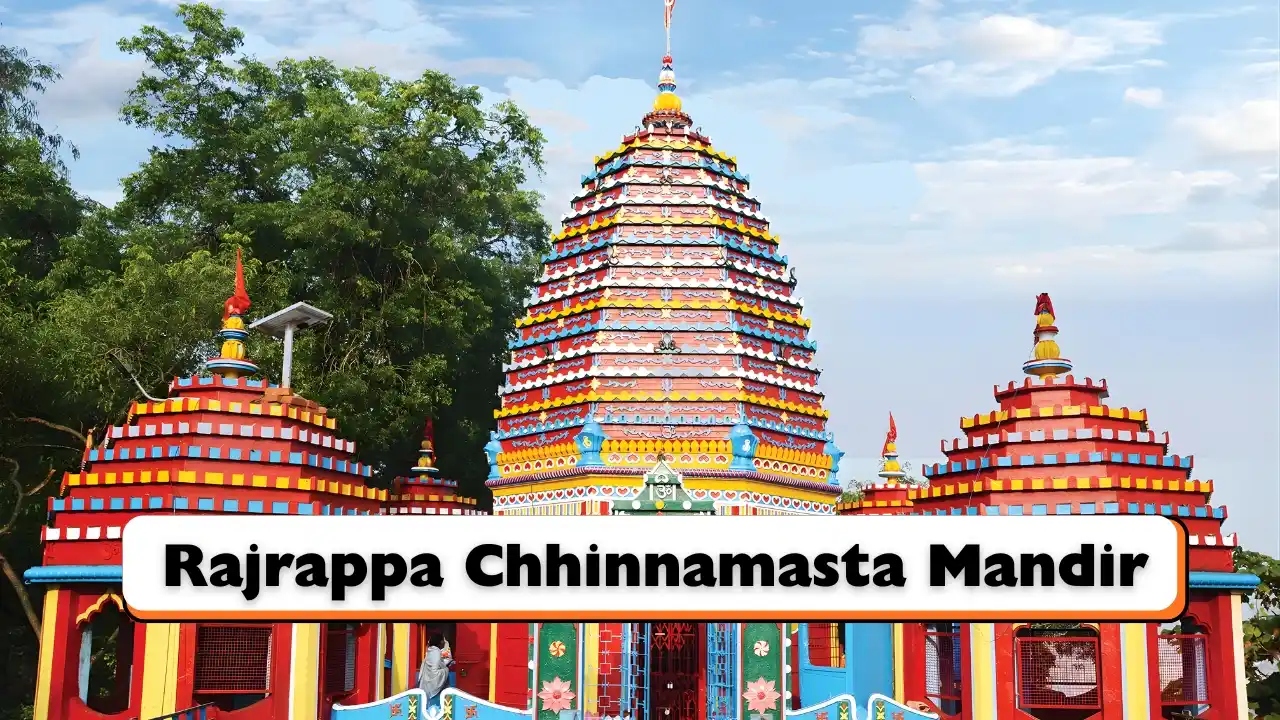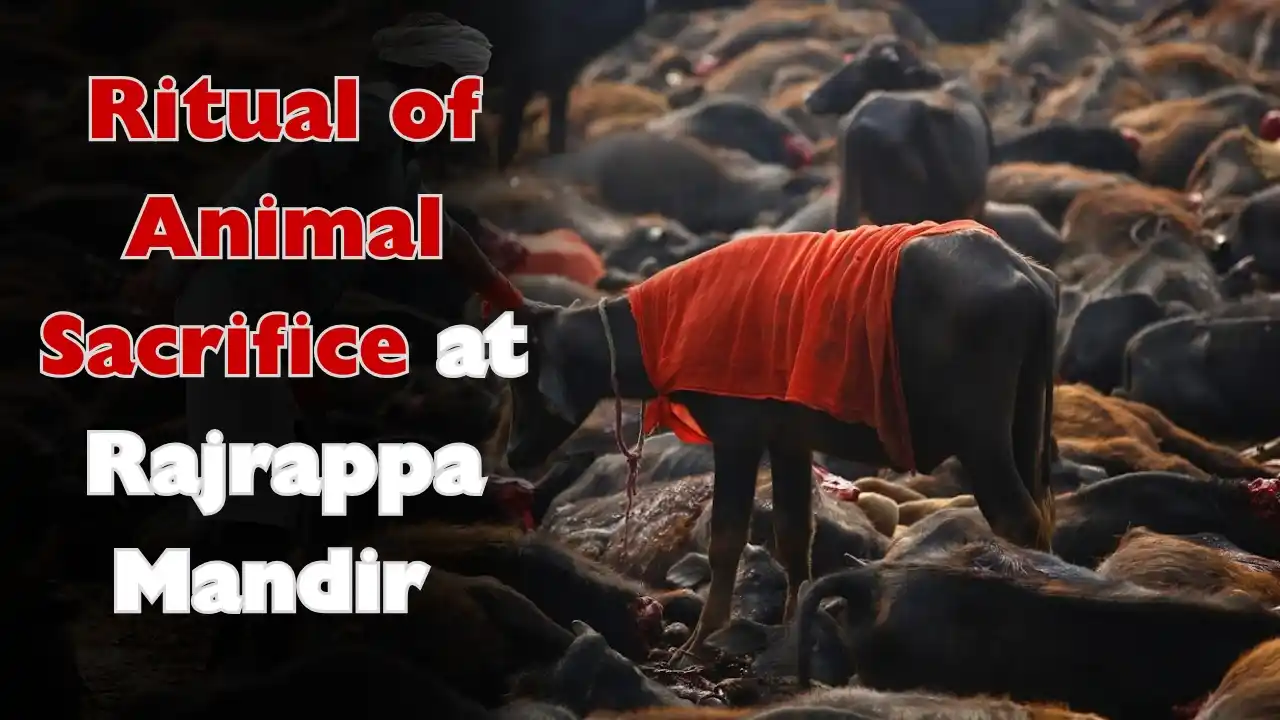
Among the ancient temples of India that echo with chants, devotion, and mysteries, the Rajrappa Mandir in Jharkhand stands apart for its deep spiritual energy and powerful presence. Dedicated to Goddess Chhinnamasta, this sacred shrine is one of the most important Shakti Peeths in the country — a place where faith, fear, and divinity coexist.
- 1The Goddess of Power – Understanding Maa Chhinnamasta
- 2Origin of the Animal Sacrifice Tradition
- 3Fact or Faith – Is Animal Sacrifice Still Practiced?
- 4The Symbolic Meaning Behind Sacrifice
- 5Festivals and Rituals at Rajrappa Mandir
- 6Government Regulations and Modern Practice
- 7Voices of Devotees – Faith Over Fear
- 8The Real Sacrifice – Letting Go of the Ego
- 9Conclusion – From Ritual to Realization
Located in the Ramgarh district, at the meeting point of the Bhairavi and Damodar Rivers, the temple symbolizes the union of two energies — Shakti (power) and Shiva (peace). But along with its divine aura, the temple is also surrounded by discussions and curiosity about a controversial ritual — the practice of animal sacrifice.
Is animal sacrifice truly performed at Rajrappa Mandir? Or is it just a misunderstood belief rooted in ancient tradition? Let’s explore the truth behind this ritual — its origins, meaning, and the faith that still holds strong among devotees.
The Goddess of Power – Understanding Maa Chhinnamasta
To understand the belief behind animal sacrifice, one must first understand the nature of the goddess worshipped here — Maa Chhinnamasta.
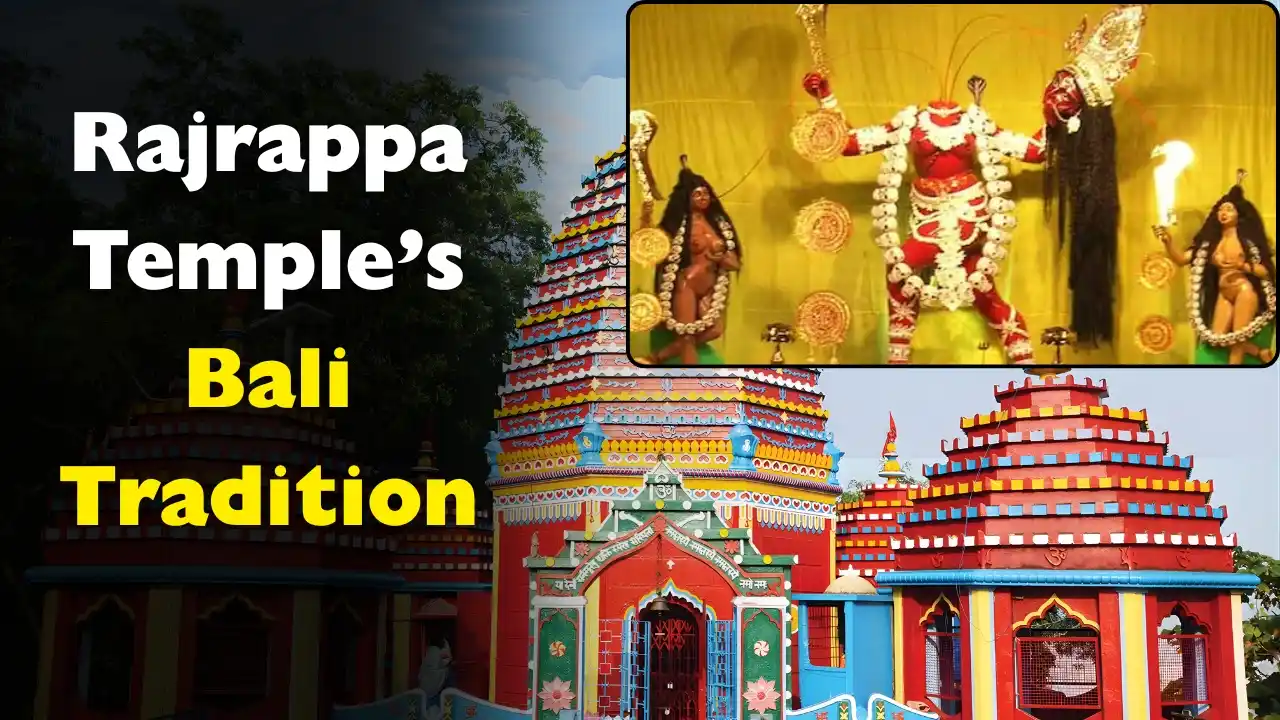
Maa Chhinnamasta is one of the ten Mahavidyas, or great wisdom goddesses of Hinduism. Her image is unique and powerful — she stands holding her own severed head, with three streams of blood flowing from her neck. One stream feeds her own head, and the other two nourish her attendants, Dakini and Varnini.
This symbolic image represents the cycle of life, death, and rebirth — the eternal truth that creation cannot exist without destruction. She embodies self-sacrifice, control over desire, and the transformation of the soul.
Because of her fierce and warrior-like form, Maa Chhinnamasta is often associated with Tantric traditions that involve intense rituals, including symbolic offerings that represent surrender and sacrifice.
Origin of the Animal Sacrifice Tradition
The practice of animal sacrifice, known as Bali, is an ancient Hindu ritual that was once performed in several temples across India. It symbolizes offering one’s ego, negativity, and inner darkness to the divine.
At Rajrappa Mandir, historical accounts and local traditions suggest that animal sacrifice was once a part of certain Tantric rituals performed to please the goddess. The word “Bhairavi”, which is also the name of the river that flows by the temple, refers to the fierce form of Shakti. The rituals performed here were believed to awaken the goddess’s energy and seek her blessings for protection, fertility, and prosperity.
However, over the centuries, the literal act of animal sacrifice has been questioned, reinterpreted, and in most cases replaced by symbolic offerings, aligning with modern values and compassion toward all living beings.
Fact or Faith – Is Animal Sacrifice Still Practiced?
Today, the official temple management at Rajrappa Mandir does not encourage or perform any form of animal sacrifice inside the temple premises. The temple is managed with strict respect for both tradition and law.
However, it is true that some devotees, especially during certain festivals like Kali Puja or Navratri, still perform symbolic sacrifices near the temple area — often outside the main sanctum, under local customs. In some cases, goat or pigeon sacrifices are carried out by villagers who follow age-old traditions, believing it to be an offering of gratitude and devotion to the goddess.
It is important to note that these practices are not part of the temple’s official rituals. The temple priests and administration focus on peaceful worship, mantra chanting, and symbolic offerings like coconuts, pumpkins, or red cloth instead of animal sacrifice.
The Symbolic Meaning Behind Sacrifice
Even in ancient texts, the concept of sacrifice was never about violence — it was always about offering something valuable to the divine. Over time, many misunderstood the literal meaning of these rituals.
In Tantric philosophy, sacrifice symbolizes self-control, surrender, and transformation. The act of offering represents cutting away one’s ego and attachments, just as Maa Chhinnamasta cut off her own head — not to destroy herself, but to show that true enlightenment comes only after one gives up selfishness and pride.
Modern priests at Rajrappa Mandir often explain that the real sacrifice the goddess desires is not of animals, but of human weakness — anger, greed, and lust. When devotees let go of these inner demons and offer their pure heart to the goddess, that is the truest form of worship.
Festivals and Rituals at Rajrappa Mandir
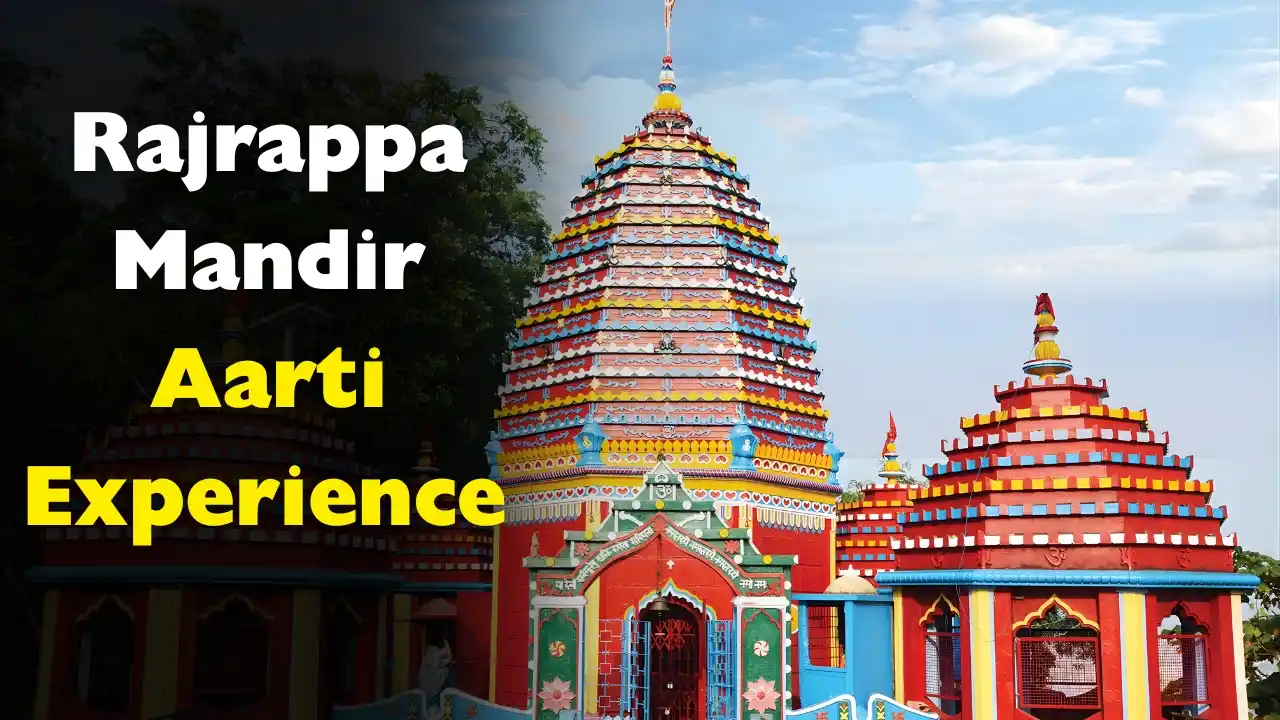
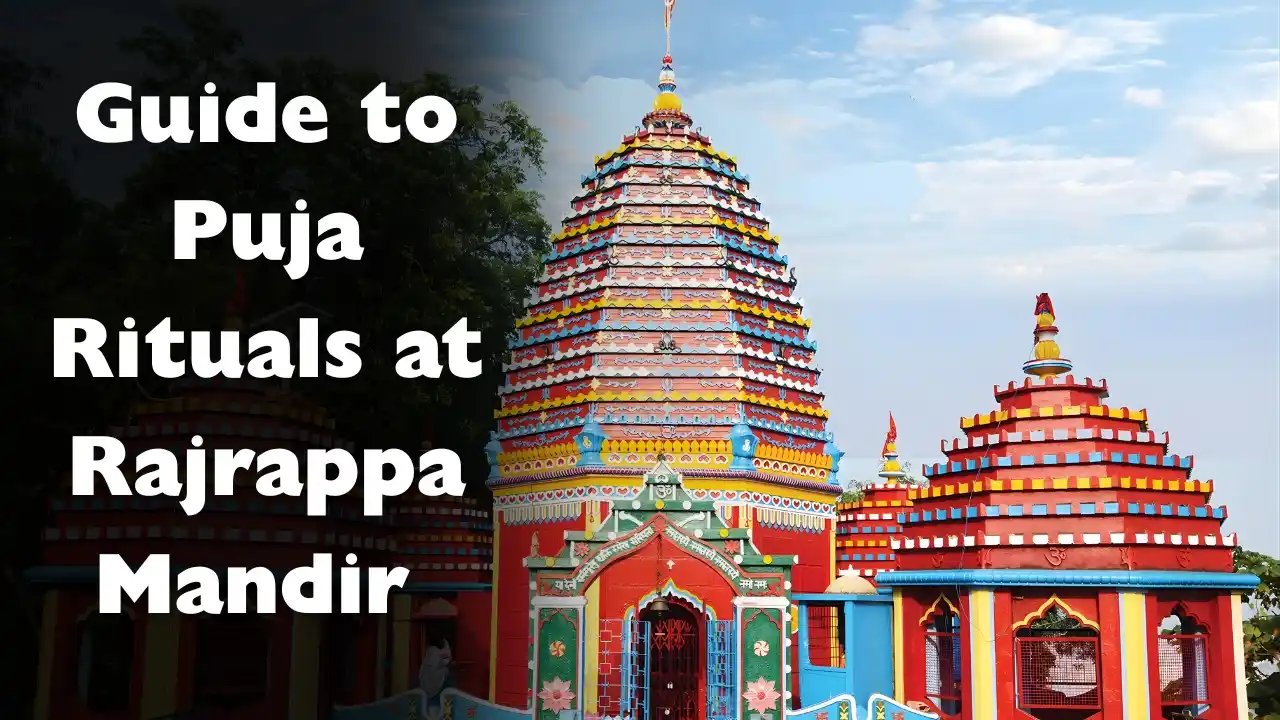
During Navratri, Durga Puja, and Kali Puja, Rajrappa Mandir becomes a center of immense energy and devotion. Thousands of devotees arrive with offerings of flowers, coconuts, and sweets. The temple is beautifully decorated with lamps and red flags, and the sound of conch shells and chants echo through the valley.
In earlier times, animal sacrifices were said to be part of such festivals. But in modern times, these have been replaced by symbolic rituals — where devotees break coconuts, offer pumpkins, or perform prayers to symbolize the cutting away of their inner negativity.
The temple priests ensure that the rituals maintain their traditional power while staying compassionate and respectful to life.
Government Regulations and Modern Practice
The Jharkhand state government and temple authorities have taken clear steps to ensure that animal sacrifice is not practiced within the temple premises. The official focus is on maintaining peace, cleanliness, and spiritual discipline.
Today, Rajrappa Mandir stands as a symbol of evolving faith — where ancient rituals meet modern understanding. The temple encourages meditation, prayers, and offerings of vegetarian Prasad, aligning devotion with compassion.
Many devotees who once believed in physical sacrifice now practice mental sacrifice, where they symbolically offer their emotions and problems to the goddess and seek her guidance.
Voices of Devotees – Faith Over Fear
Devotees who visit Rajrappa Mandir often share their experiences of transformation. Many say that the temple’s energy itself feels so powerful that no extreme ritual is needed to connect with the goddess.
A devotee once said, “When I stood before Maa Chhinnamasta, I realized that she doesn’t want blood — she wants my heart, my truth, my faith.”
This sentiment reflects the change that has taken place over generations. The faith that once expressed itself through sacrifice has now turned inward — into devotion, meditation, and love for the divine mother.
The Real Sacrifice – Letting Go of the Ego
The true teaching of Rajrappa Mandir and Maa Chhinnamasta lies in self-sacrifice, not external acts of violence. The goddess’s self-decapitated form teaches that real power comes from letting go of the ego — from surrendering to the higher truth.
When devotees bow before her, they symbolically offer their pride, desires, and fears. That moment of surrender is the real sacrifice — the point where faith becomes transformation.
Rajrappa Mandir continues to remind everyone that the divine does not need physical offerings — she only seeks a pure heart and sincere devotion.
Conclusion – From Ritual to Realization
The question of animal sacrifice at Rajrappa Mandir is no longer about fact or fiction — it’s about faith and evolution. While ancient rituals once involved physical offerings, today’s worship focuses on inner surrender and peaceful devotion.
The temple stands as a bridge between old traditions and modern values — preserving the spirit of Tantra while embracing compassion and non-violence. The goddess, in her fierce and compassionate form, continues to bless all who come before her with true devotion.
When you visit Rajrappa Mandir and stand by the riverside, watching the waters merge under the gaze of Maa Chhinnamasta, you will understand the real meaning of sacrifice — it is not the act of taking life, but the courage to offer your ego, your fears, and your pride to the divine.
That is the sacrifice that transforms a human into a seeker and makes Rajrappa Mandir a timeless symbol of both power and peace.