Amid the peaceful hills and flowing rivers of Jharkhand stands one of the most powerful and mysterious temples in India — the Rajrappa Mandir, dedicated to Goddess Chhinnamasta, the self-decapitated form of Shakti. This sacred site is not just a temple; it is a place where faith, energy, and history blend beautifully. People who visit Rajrappa often say they can feel the goddess’s presence — silent, strong, and divine.
- 1Where Is Rajrappa Mandir Located?
- 2The Spiritual Origin of Rajrappa Mandir
- 3The Historical Construction of Rajrappa Mandir
- 4Architectural Features of Rajrappa Mandir
- 5Rajrappa Mandir as a Center of Tantric Power
- 6The Spiritual Energy of the Location
- 7The Enduring Faith of Devotees
- 8Conclusion: The Temple Beyond Time
The story of this temple’s historical construction and spiritual origin is as fascinating as the goddess herself. It is a story of devotion, mythology, and eternal belief that continues to draw thousands of pilgrims every year.
Where Is Rajrappa Mandir Located?
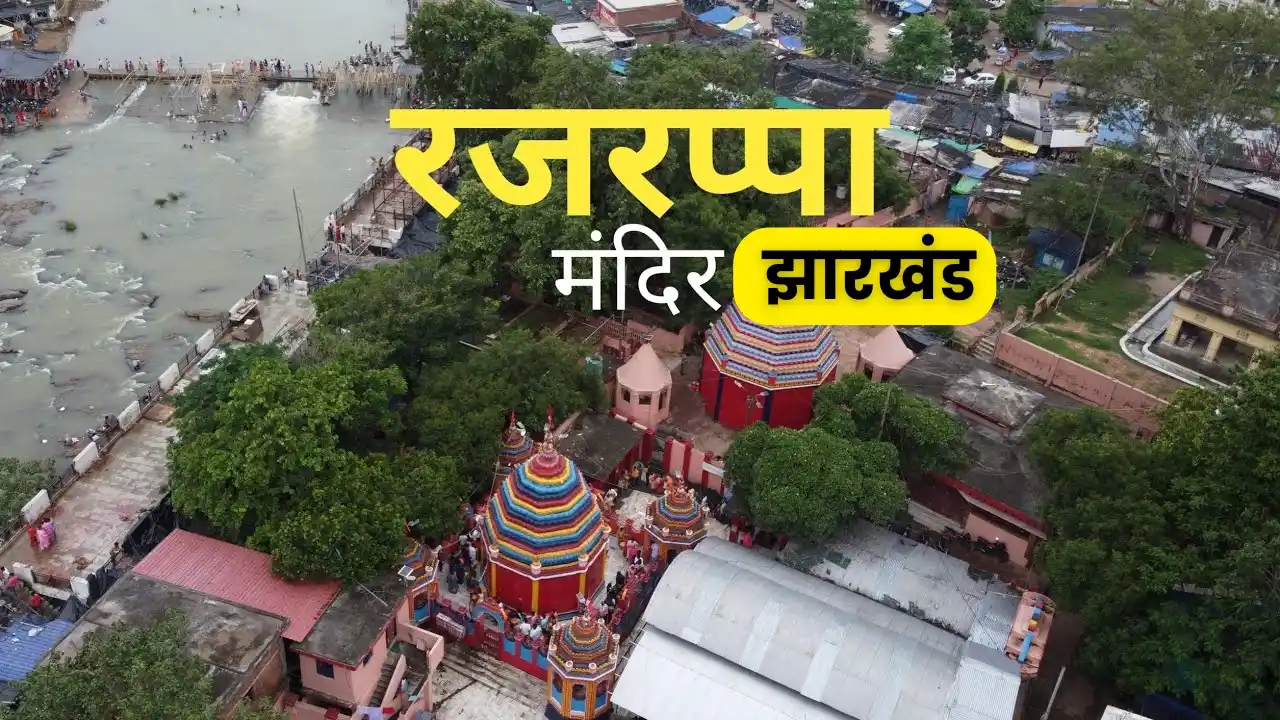
Rajrappa Mandir is located in the Ramgarh district of Jharkhand, around 80 kilometers from Ranchi. The temple stands where two rivers — Bhairavi and Damodar — meet. This place, known as Rajrappa Sangam, is considered extremely sacred because it symbolizes the union of Shiva and Shakti, the two cosmic forces that maintain the balance of the universe.
The Bhairavi River, representing the fierce energy of the goddess, flows down from the hills and joins the calm Damodar River, which represents peace and stability. This natural confluence creates a spiritual vibration that makes Rajrappa Mandir a truly unique and divine location.
The Spiritual Origin of Rajrappa Mandir
The origin of Rajrappa Mandir is deeply connected to the story of Goddess Sati and Lord Shiva, one of the most powerful tales in Hindu mythology.
According to ancient belief, Goddess Sati, the daughter of King Daksha, married Lord Shiva, despite her father’s disapproval. Once, King Daksha organized a grand yagna (fire sacrifice) and invited all gods — except Shiva and Sati. Even though she was not invited, Sati went to her father’s house, hoping he would welcome her lovingly. But instead, Daksha insulted her husband.
Unable to bear the insult of her beloved Lord Shiva, Sati immolated herself in the fire of the yagna. When Lord Shiva learned of this tragedy, he was overcome with grief and anger. He carried Sati’s lifeless body on his shoulders and began to wander across the universe, performing the Tandava, the dance of destruction.
To calm him and restore order in the universe, Lord Vishnu used his Sudarshan Chakra to cut Sati’s body into 51 pieces. Each part that fell on Earth became a Shakti Peeth, a sacred place of divine feminine energy.
It is believed that the head of Sati (Mastak) fell at Rajrappa, and hence this place became known as the home of Goddess Chhinnamasta, the beheaded goddess who symbolizes self-sacrifice, awakening, and spiritual power.
The Historical Construction of Rajrappa Mandir
The exact period of Rajrappa Mandir’s construction remains unknown, adding a layer of mystery to its legend. However, historians and spiritual scholars believe that the temple dates back to the 8th–12th century AD, during the period when Tantric traditions flourished in eastern India.
This era witnessed the rise of Shakti worship — the adoration of the divine feminine power in her various forms. Temples dedicated to goddesses like Kali, Tara, Kamakhya, and Chhinnamasta became important centers of spiritual learning and energy practices.
It is believed that Tantric sages and ascetics first discovered the powerful energy at the confluence of the Bhairavi and Damodar Rivers. Recognizing this spot as sacred, they established a shrine dedicated to Maa Chhinnamasta. Over the centuries, local kings and rulers supported the construction and renovation of the temple, making it a permanent structure of devotion and worship.
The architectural style of Rajrappa Mandir closely resembles Tantric temples of eastern India, especially the Kamakhya Temple in Assam. The design is simple yet symbolic — focusing more on spiritual vibration than grand construction.
Architectural Features of Rajrappa Mandir
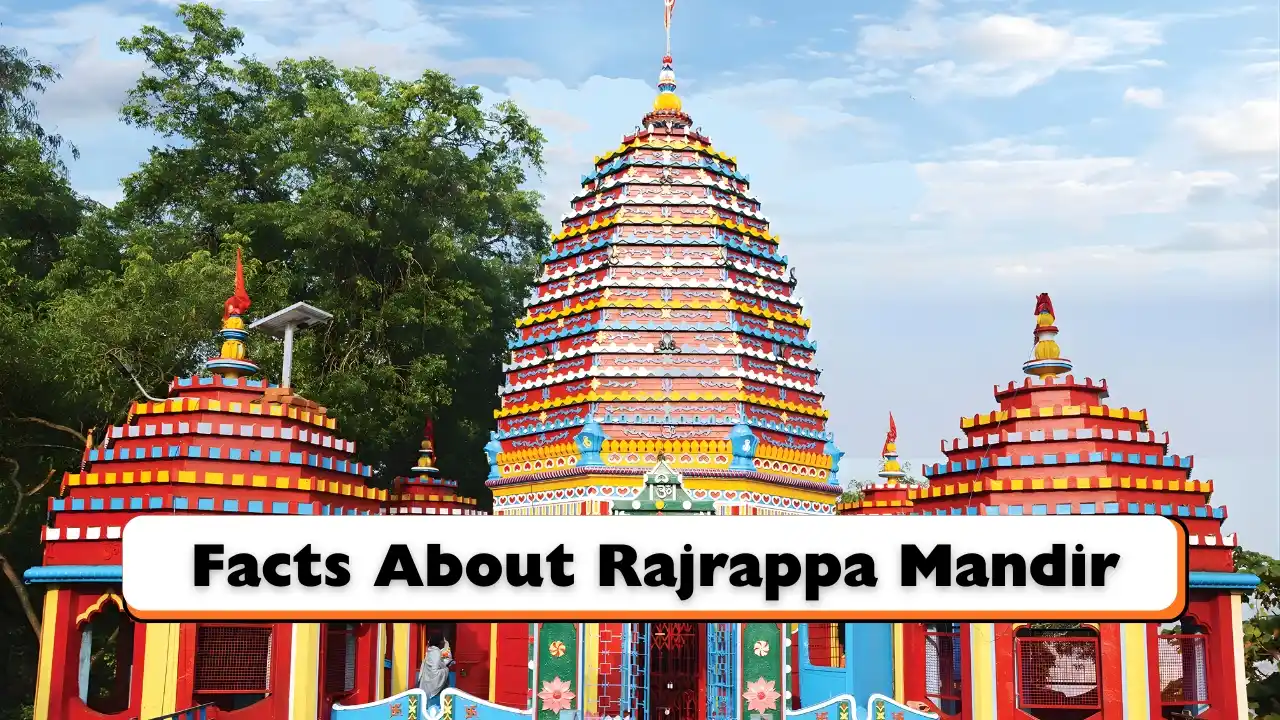
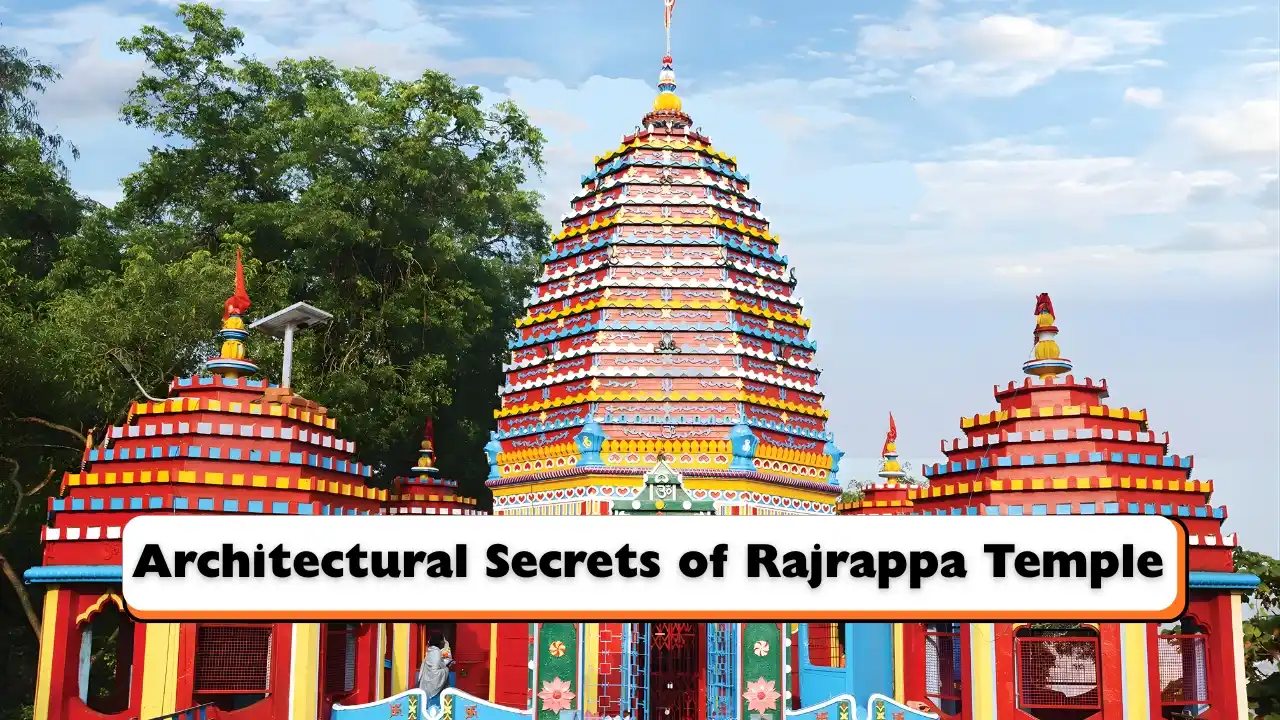
The temple does not have tall towers or golden domes. Instead, it is built with stone and brick, giving it an ancient charm. The shrine is modest, reflecting humility and purity — qualities that define true devotion.
Inside the sanctum, the idol of Goddess Chhinnamasta is mesmerizing and intense. The goddess stands on the bodies of Kama (desire) and Rati (pleasure), holding her own severed head in one hand. Three streams of blood flow from her neck — one enters her own mouth, and the other two feed her attendants, Jaya and Vijaya.
This powerful image represents self-sacrifice, balance, and mastery over desire. Despite her fierce appearance, her expression remains calm and blissful, symbolizing the peace that comes after conquering the self.
The temple walls are covered in red sindoor marks and sacred symbols left by countless devotees over centuries. Oil lamps flicker constantly, their golden light reflecting on the idol, creating an aura of mystery and divinity.
Rajrappa Mandir as a Center of Tantric Power
Rajrappa Mandir has been a significant Tantric site for centuries. Devotees of the Shakta sect (worshippers of Goddess Shakti) come here to perform rituals that awaken the Kundalini energy, believed to lie dormant within every human being.
In ancient times, the temple was also known for its sacrifice rituals (bali), where devotees offered goats and hens to please the goddess and seek her blessings. These rituals were symbolic acts of surrendering one’s ego and negative energies to the divine.
Though animal sacrifices have decreased today, many devotees still perform symbolic rituals, offering coconuts, red cloth, and sweets.
During Navratri, Durga Puja, and Kali Puja, the temple becomes alive with devotion. The sound of drums, conch shells, and chants of “Jai Maa Chhinnamasta” echo through the hills. The entire area glows with lamps, and the spiritual energy feels almost visible in the air.
The Spiritual Energy of the Location
The geographical location of Rajrappa Mandir plays a major role in its divine energy. The meeting of the Bhairavi and Damodar Rivers is not just a natural phenomenon but a spiritual event. The Bhairavi River symbolizes the fiery energy of Shakti, while the Damodar River represents the calm essence of Shiva.
Their union represents the balance of masculine and feminine forces, a concept that lies at the heart of Hindu spirituality. It is believed that this confluence amplifies the energy of the goddess, making the site one of the most powerful Shakti centers in India.
Taking a holy dip in the river before offering prayers is considered highly purifying. Devotees say that it cleanses not just the body but also the soul, washing away all negativity and past mistakes.
The Enduring Faith of Devotees
Even after hundreds of years, Rajrappa Mandir continues to draw pilgrims from across India. People come here seeking peace, strength, and fulfillment of their wishes. Many claim that prayers made here are always answered.
For local communities, the temple is a living embodiment of hope and protection. It is common to see villagers offering the first fruits of their harvest or newlyweds seeking the goddess’s blessings for a happy life.
Devotees describe their visit to Rajrappa as a spiritual awakening — the kind that makes one believe in something greater than themselves. The simple rituals, the chanting, and the natural surroundings together create an experience that touches the soul.
Conclusion: The Temple Beyond Time
The Rajrappa Mandir is not just a structure of stone — it is a temple of faith and divine energy that has stood the test of time. Its historical roots go back centuries, and its spiritual origin is connected to the cosmic story of creation and destruction.
The goddess who resides here, Maa Chhinnamasta, reminds us that true power lies not in domination but in sacrifice and self-awareness. The temple’s humble architecture and natural surroundings reflect this very essence — simplicity, strength, and purity.
Standing at the confluence of two sacred rivers, Rajrappa Mandir continues to radiate peace and power. It is a place where history breathes, where faith lives, and where the eternal energy of the divine feminine still flows — silently, beautifully, and forever.