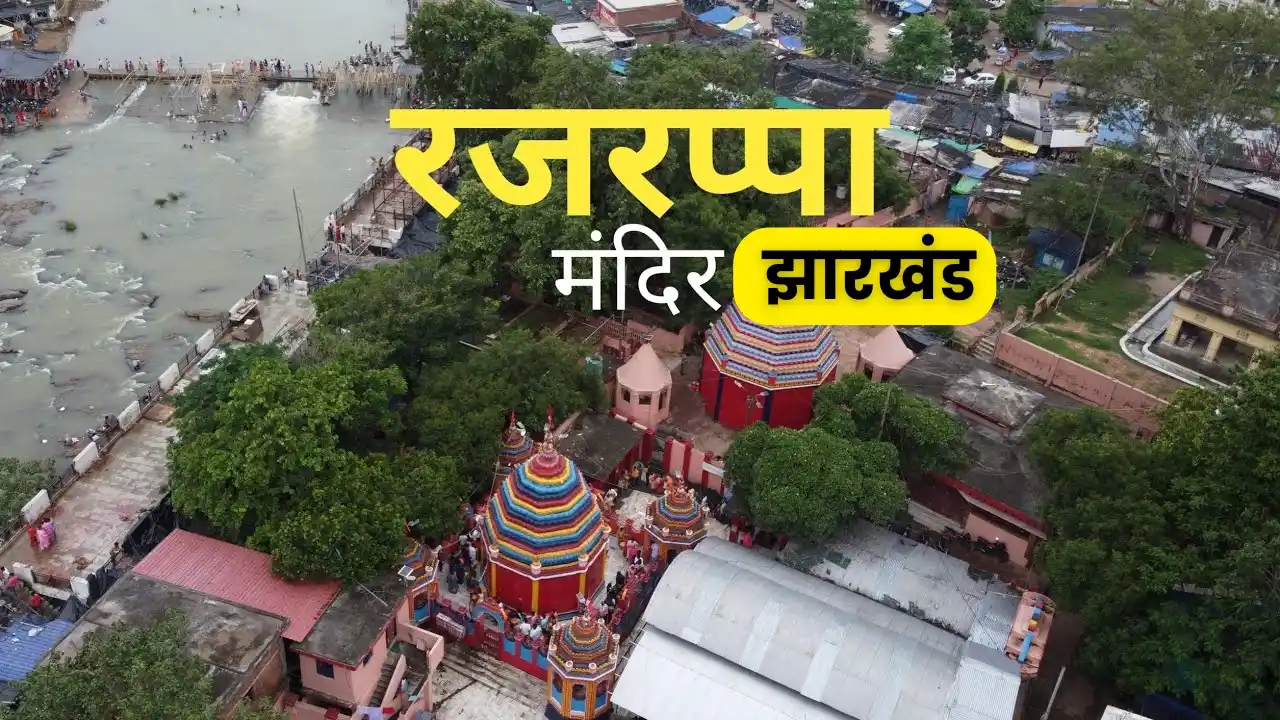
Nestled deep in the heart of Jharkhand, Rajrappa Mandir is not just a temple — it is a place where faith, mystery, and divinity come together. Dedicated to Goddess Chhinnamasta, this sacred temple stands at the confluence of the Bhairavi and Damodar rivers, surrounded by lush hills and echoing chants of devotees. The atmosphere here feels different — calm yet powerful, spiritual yet mysterious. Many people visit this temple every day, not only to pray but also to experience the hidden energy that surrounds it.
- 1The Location and Divine Aura
- 2Who Is Goddess Chhinnamasta?
- 3The Legend Behind Rajrappa Mandir
- 4The Mysterious Rituals and Beliefs
- 5The Sacred River Confluence – Bhairavi and Damodar
- 6Architecture and Spiritual Symbolism
- 7Devotees’ Experiences and Miracles
- 8Best Time to Visit Rajrappa Mandir
- 9Conclusion: The Power of Faith and Mystery
The Location and Divine Aura
Rajrappa Mandir is located in Ramgarh district of Jharkhand, about 80 kilometers from Ranchi. The temple is set amid natural beauty — thick forests, rocky terrain, and the soothing sound of flowing rivers. The spot where the two rivers meet is considered highly spiritual, symbolizing the union of life and death, energy and peace.
As you approach the temple, you can feel a strange sense of devotion in the air. The roads are lined with small shops selling flowers, red chunari, and prasad. Devotees often chant “Jai Maa Chhinnamasta” as they walk toward the main shrine. The energy is so intense that one can feel goosebumps without even entering the sanctum.
Who Is Goddess Chhinnamasta?
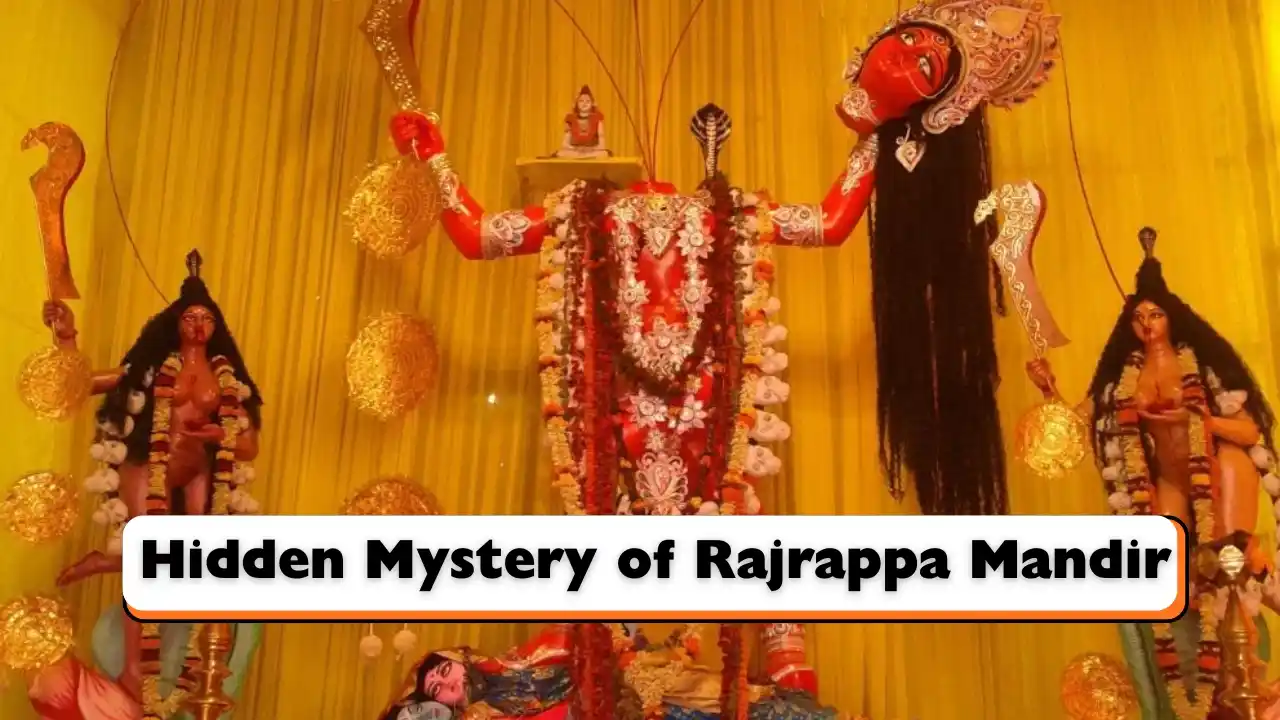
Goddess Chhinnamasta is one of the ten Mahavidyas (great wisdom goddesses) in Hinduism. Her name itself means “the beheaded one.” She is depicted as a self-decapitated goddess, holding her own severed head in one hand while her body continues to stand gracefully. Two streams of blood flow from her neck — one going into her own mouth, and the other two feeding her attendants, Jaya and Vijaya.
This image may appear terrifying to some, but it carries a deep spiritual meaning. It represents sacrifice, transformation, and self-control. Chhinnamasta signifies that life and death are inseparable, that creation and destruction are two sides of the same divine power.
She reminds her devotees that real enlightenment comes only when one can control desires and ego. The message is simple yet profound — to rise above physical and material attachments.
The Legend Behind Rajrappa Mandir
There are many legends about how Rajrappa Mandir came into existence, but the most well-known story is connected to Goddess Sati and Lord Shiva.
According to mythology, when Goddess Sati immolated herself in the fire of her father Daksha’s yagna, Lord Shiva, filled with sorrow, carried her lifeless body across the universe. To calm his grief and restore balance, Lord Vishnu used his Sudarshan Chakra to cut Sati’s body into 51 pieces, which fell at different places on Earth. Each place became a Shakti Peeth, where the goddess is worshipped in different forms.
It is believed that the head of Goddess Sati fell at Rajrappa, and thus this place is considered one of the sacred Shakti Peethas. Over time, this spot became known as the abode of Goddess Chhinnamasta, symbolizing the divine power that controls both life and death.
The Mysterious Rituals and Beliefs
Rajrappa Mandir is unique for its ancient rituals. Devotees come from far and wide to perform special prayers, often seeking blessings for power, wealth, and protection.
One of the oldest practices associated with this temple is the offering of sacrifice, or “bali.” In earlier times, goats and hens were sacrificed as offerings to please the goddess. The belief behind this ritual was that Goddess Chhinnamasta represents Shakti (power), and sacrifices are a way of surrendering one’s ego and negativity before her.
In modern times, this practice has reduced, and many devotees now offer symbolic sacrifices like coconuts or red cloth instead. Despite these changes, the temple still holds the aura of ancient power, and devotees say that their wishes never go unanswered.
The Sacred River Confluence – Bhairavi and Damodar
Another mystical aspect of Rajrappa Mandir is its location at the sangam (confluence) of two holy rivers — Bhairavi and Damodar. The Bhairavi River flows from the south, symbolizing feminine energy, while the Damodar River flows from the north, representing masculine energy.
When these two rivers merge near the temple, it is believed that their energies unite to create a divine balance. Devotees take a holy dip at this sangam before offering prayers at the temple. It is said that bathing here washes away sins and purifies the soul.
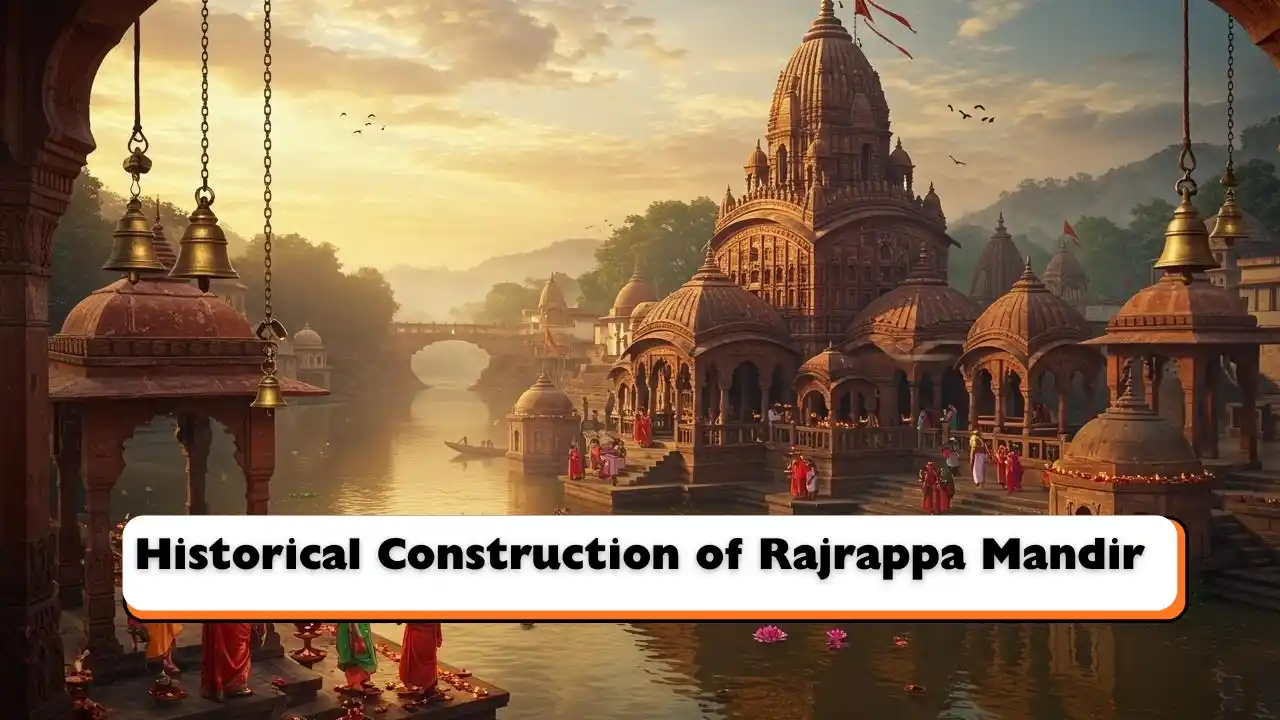
During early mornings and evenings, the sound of river water mixing with the chants of priests creates an atmosphere that feels almost otherworldly.
Architecture and Spiritual Symbolism
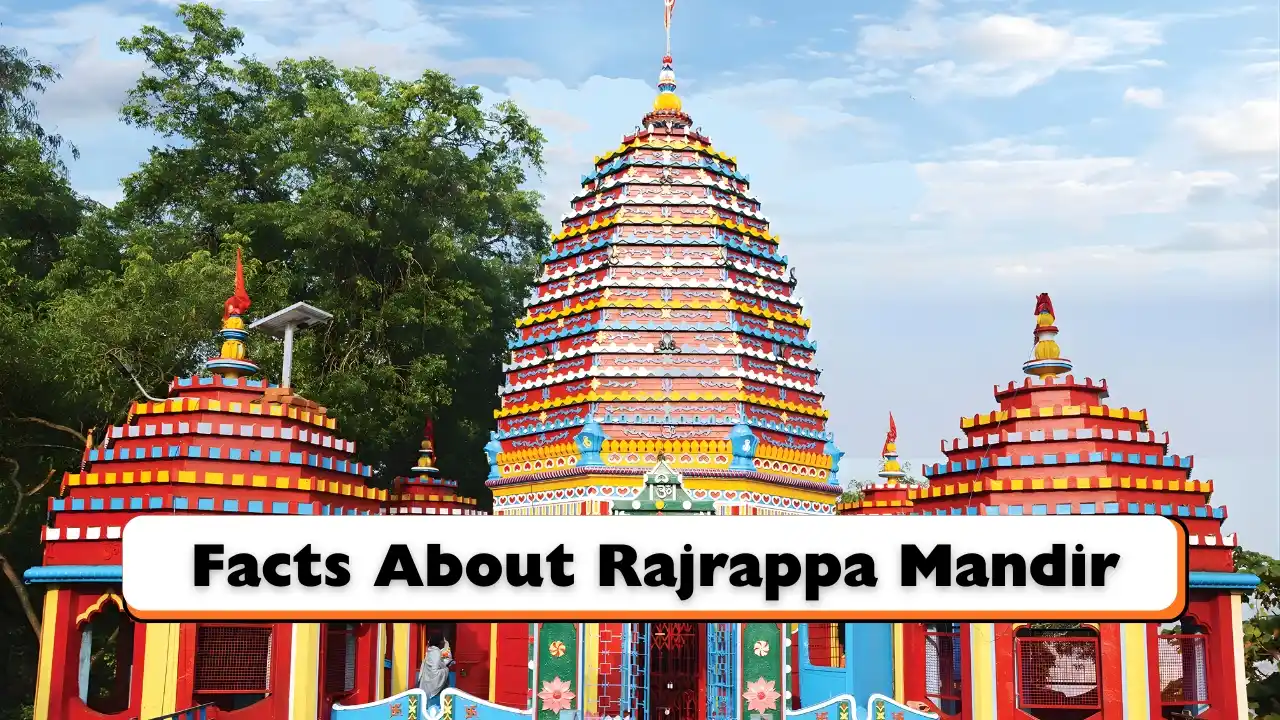
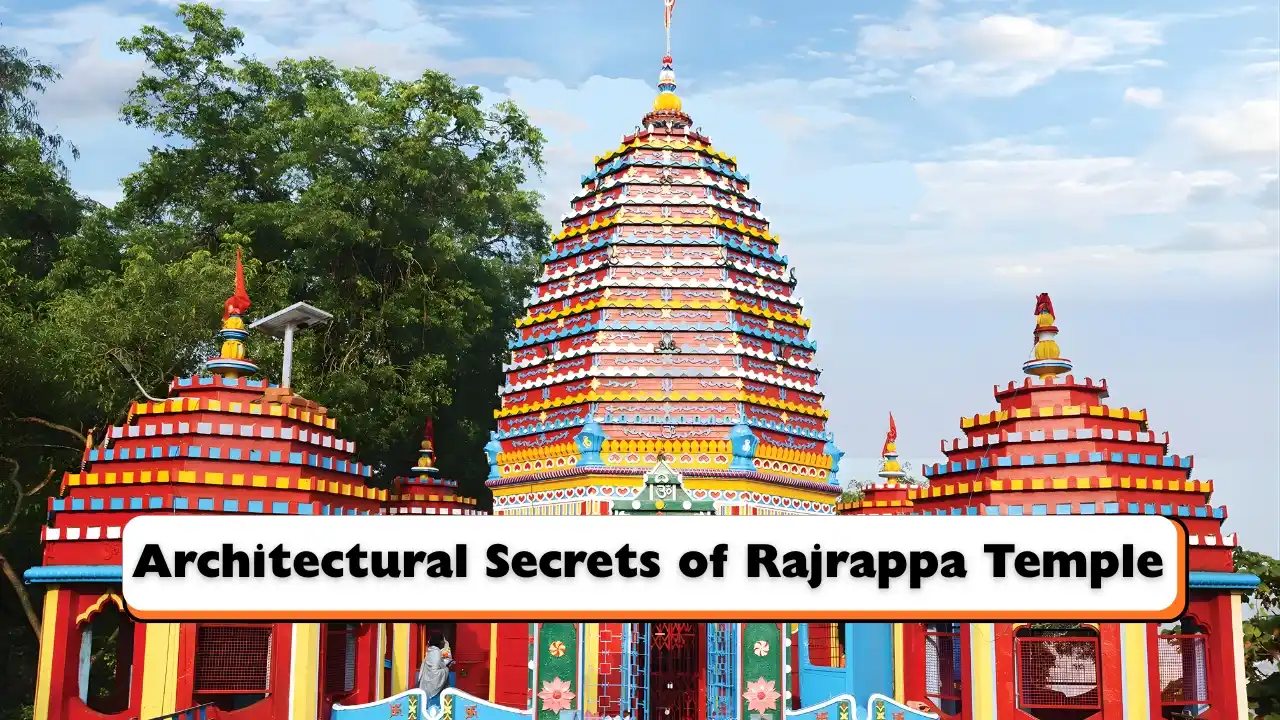
The temple structure of Rajrappa Mandir is simple yet deeply symbolic. Built in Tantric style, it reflects the spiritual essence of the goddess. The main sanctum houses the self-manifested idol of Chhinnamasta — her head held in one hand and her body standing gracefully over the bodies of Kama and Rati, symbolizing the control over lust and desire.
The inner walls are decorated with red sindoor marks left by thousands of devotees over the years. Lamps flicker continuously, creating a golden glow that makes the goddess’s image appear even more divine.
Unlike other temples, Rajrappa Mandir doesn’t have a large dome or golden spire — its strength lies in its spiritual power, not physical grandeur.
Devotees’ Experiences and Miracles
Those who visit Rajrappa Mandir often describe their experience as life-changing. Many devotees believe that the goddess listens instantly to pure prayers. People come here to seek solutions for family problems, business growth, marriage, and health.
Some even share miraculous stories — like sudden recovery from illness, unexpected blessings, and peace after years of suffering. Whether these are coincidences or divine interventions, one thing is sure — faith at Rajrappa is unshakable.
The temple becomes especially crowded during Navratri and Durga Puja, when thousands of devotees gather to celebrate the power of the goddess. The entire area glows with diyas, drums, and devotion.
Best Time to Visit Rajrappa Mandir
The best time to visit Rajrappa Mandir is between October and March, when the weather is pleasant and the rivers are calm. Early morning and evening are considered the most spiritual hours for darshan.
If you visit during festivals, you’ll witness colorful rituals, aarti, and the divine energy of thousands of devotees chanting together. But even on ordinary days, the peaceful environment and natural beauty make Rajrappa a perfect place for meditation and reflection.
Conclusion: The Power of Faith and Mystery
Rajrappa Mandir is more than a religious site — it is a living symbol of divine mystery. The story of Goddess Chhinnamasta teaches us that true strength lies in self-sacrifice and self-control.
Standing at the river’s edge, surrounded by chants and the fragrance of incense, one feels the presence of something ancient, powerful, and eternal.
Perhaps that is the true mystery of Rajrappa Mandir — a place where the goddess lives not only in the shrine but also in the hearts of her devotees, reminding them that every end is a new beginning, and every sacrifice is a step toward spiritual freedom.