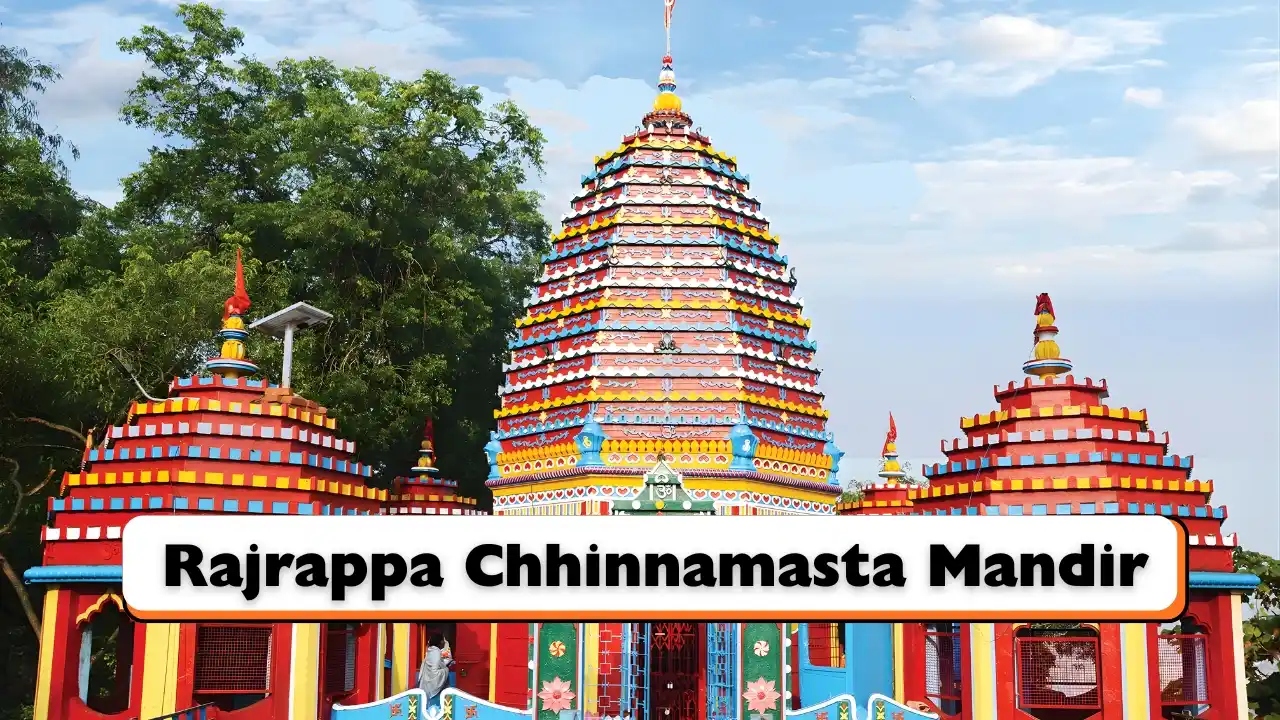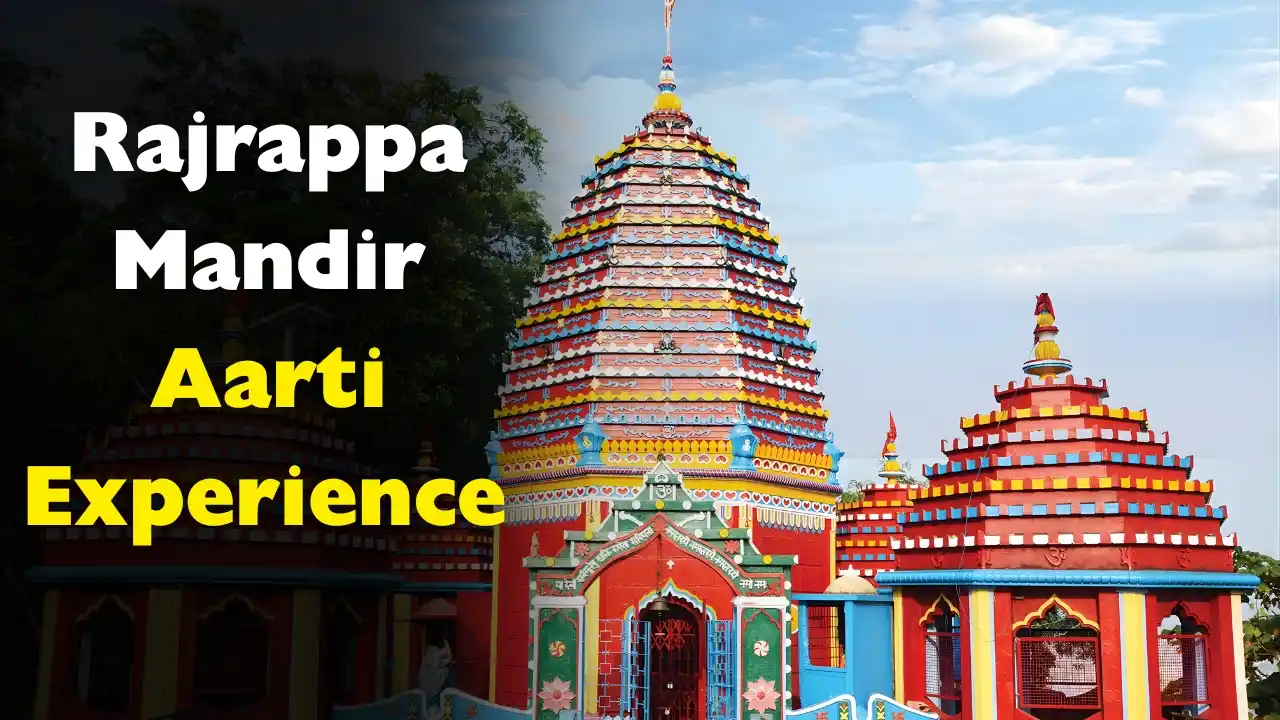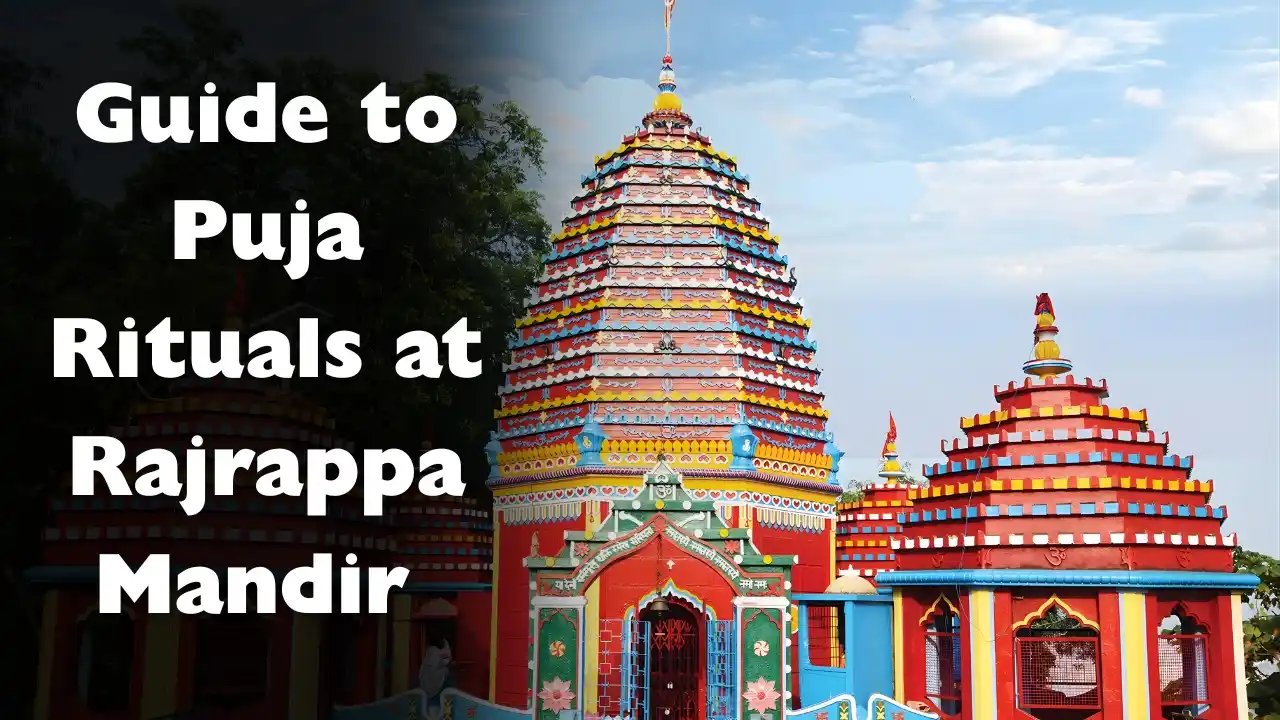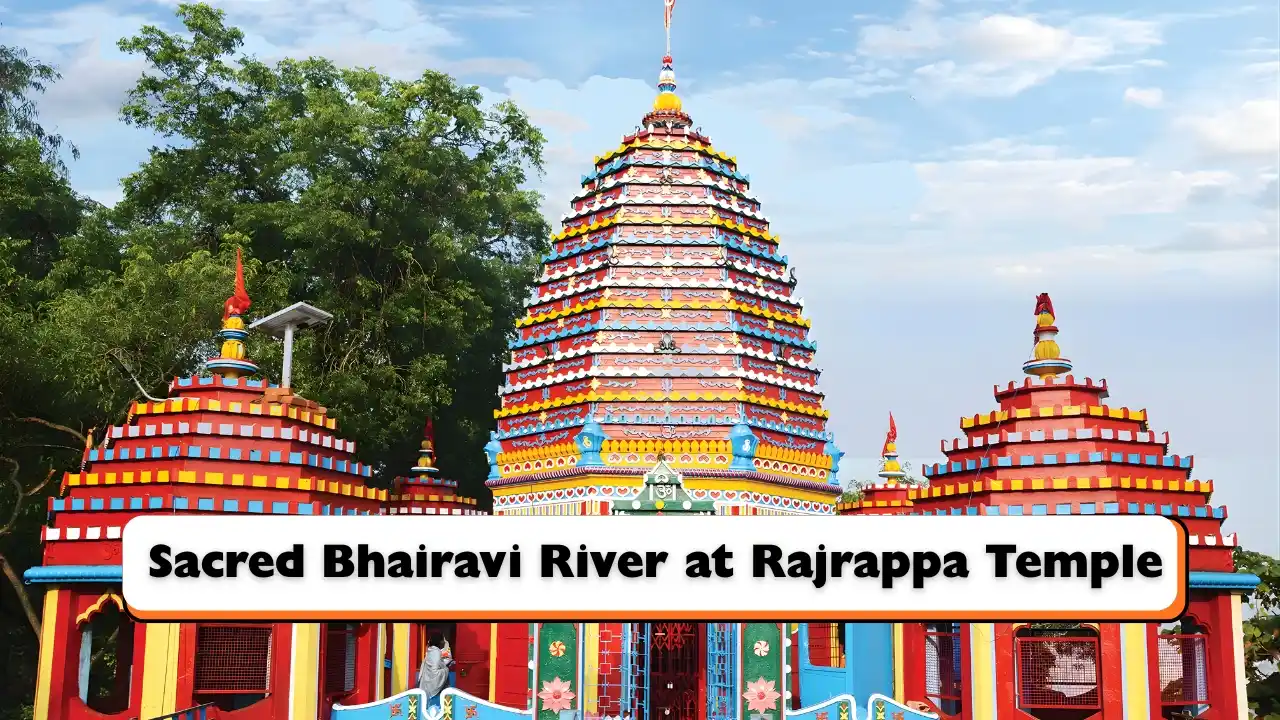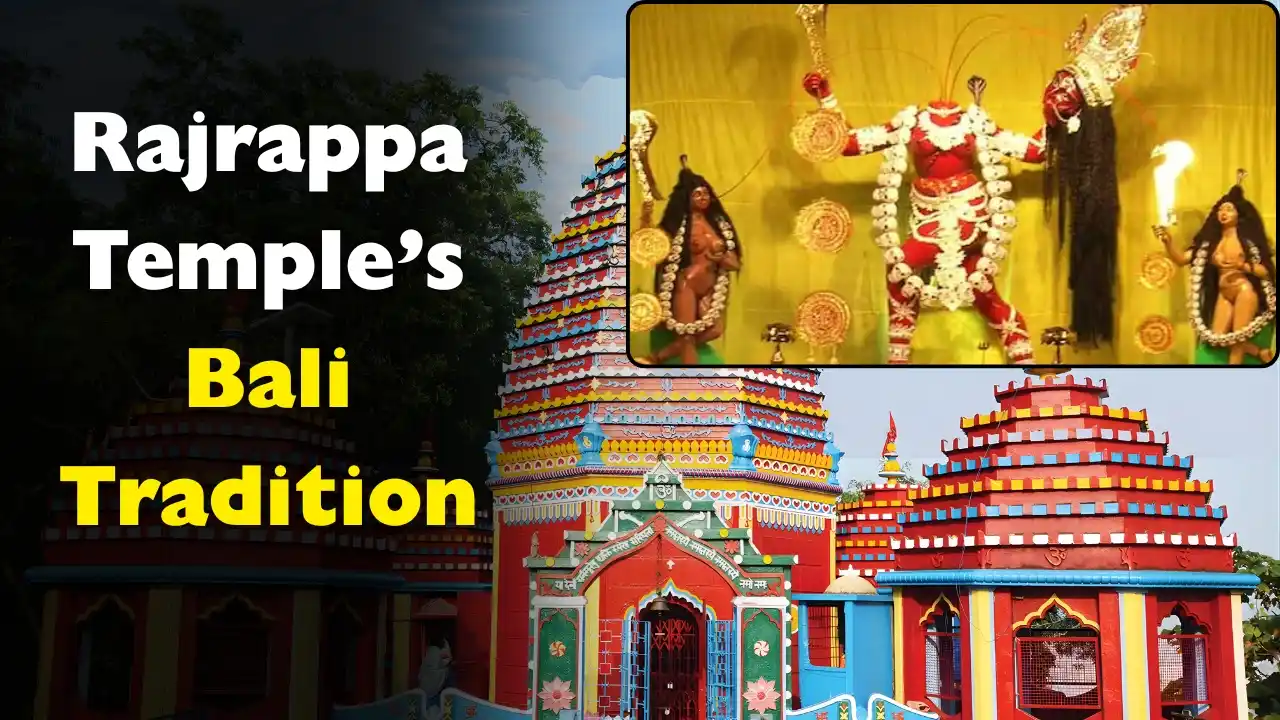
The sacred land of Jharkhand holds many stories of devotion, mystery, and ancient customs. Among them, the Rajrappa Temple, dedicated to Goddess Chhinnamasta, stands as a powerful symbol of faith and transformation. Situated at the confluence of the Bhairavi and Damodar Rivers in the Ramgarh district, this temple has been a center of Tantric worship and spiritual awakening for centuries.
- 1The Divine Energy of Rajrappa Temple
- 2The Origin of the Bali Tradition
- 3Historical Accounts of Animal Sacrifice
- 4The Symbolic Meaning of Bali in Tantric Philosophy
- 5Transition from Physical to Symbolic Offerings
- 6The Modern View of Devotees
- 7Festivals and Ritual Significance of Bali
- 8Temple Authorities and Ethical Transformation
- 9The Inner Meaning of Sacrifice – A Message for All
- 10Conclusion From Tradition to Transformation
While Rajrappa Mandir is famous for its divine energy and natural beauty, it is also known for a controversial and misunderstood tradition — the Bali ritual, or animal sacrifice. This ancient practice, once seen as an act of devotion, has evolved and changed over time, giving rise to both spiritual reflection and debate.
In this article, we will explore the history of the Bali tradition at Rajrappa Temple, its symbolic meaning, and how modern devotees and temple authorities have reinterpreted it in a more spiritual and compassionate way.
The Divine Energy of Rajrappa Temple
To understand the Bali tradition, one must first understand the goddess who resides here — Maa Chhinnamasta. She is one of the ten Mahavidyas, or great wisdom goddesses in Hinduism, and is depicted in her self-decapitated form holding her severed head in one hand, while three streams of blood flow from her neck.
This form represents self-sacrifice, control over desire, and the eternal cycle of life and death. She is both fierce and motherly the one who destroys negativity and grants liberation.
Rajrappa Mandir, built in her honor, has long been a place of Tantric worship, where devotees seek strength, protection, and spiritual transformation. The rituals here, including the Bali tradition, were once meant to reflect the goddess’s teachings of sacrifice and renewal.
The Origin of the Bali Tradition
The word “Bali” comes from the Sanskrit root bal, meaning “offering” or “sacrifice.” In ancient times, Bali did not always mean animal sacrifice. It referred to any offering made to please the gods, such as grains, fruits, or flowers.
However, over time, in certain forms of Shakti and Tantric worship, symbolic offerings took the form of animal sacrifices, particularly during special festivals or rituals. The belief was that offering life to the goddess symbolized giving up one’s ego, desires, and impurities to attain spiritual freedom.
At Rajrappa Mandir, which is closely associated with Tantric traditions, the Bali ritual became a part of the worship of Maa Chhinnamasta not out of cruelty, but as a symbolic act of surrender to her divine power.
Historical Accounts of Animal Sacrifice
In earlier centuries, especially during Navratri, Kali Puja, and Amavasya, animal sacrifices mostly of goats and pigeons were performed near Rajrappa Temple. Local tribal communities and devotees from surrounding regions considered it a sacred offering, believing that the goddess accepted the sacrifice as a symbol of their devotion.
These sacrifices were not acts of violence but were conducted with deep ritual purity. The animals were treated respectfully, bathed, and prayed over before being offered. The belief was that the soul of the sacrificed being would attain liberation through the goddess’s grace.
For many devotees, the Bali was never about blood it was about faith, release, and transformation.
The Symbolic Meaning of Bali in Tantric Philosophy
In Tantric spiritual philosophy, every ritual has a symbolic meaning. The act of Bali was never meant to glorify violence; it was a metaphor for the inner sacrifice that every human must make to reach enlightenment.
The real offering was not of an animal, but of the inner demons that live within — anger, greed, jealousy, lust, and ego.
- The animal represented the lower nature of human desires.
- The sacrifice represented letting go of those desires.
- The goddess symbolized transformation and liberation.
Thus, the Bali was a form of meditation a physical act meant to remind devotees to cut off the ego, just as Maa Chhinnamasta severed her own head to represent spiritual awakening.
Transition from Physical to Symbolic Offerings
With the passage of time, as social values and awareness evolved, the temple authorities and devotees began to reinterpret the Bali tradition in a more compassionate way.
Today, animal sacrifice is not performed inside the temple premises. The temple is managed with strict adherence to law and respect for life. Instead, devotees now perform symbolic sacrifices, offering:
- Coconuts, which are broken to represent the breaking of ego.
- Pumpkins and lemons, symbolizing impurities being cut away.
- Flowers, fruits, and sweets, representing pure devotion.
These symbolic rituals keep the spiritual essence of Bali alive while aligning with modern values of non-violence and compassion.
Even those who still believe in the traditional custom perform such rituals outside the main temple, often guided by local customs rather than official temple practices.
The Modern View of Devotees
For modern devotees, the meaning of Bali has shifted from an external act to an inner experience of surrender. When they visit Rajrappa Mandir today, they offer prayers, perform Aarti, and present symbolic items like coconuts and red cloth — all while silently offering their hearts and troubles to Maa Chhinnamasta.
Many devotees say that standing before the goddess’s idol feels like a form of surrender in itself. Her fierce yet compassionate gaze inspires them to let go of fear, guilt, and pride.
One devotee described the experience beautifully:
“When I saw Maa Chhinnamasta, I realized she doesn’t want blood she wants truth. She wants us to sacrifice our ego and be reborn in her light.”
This shift in understanding reflects the evolution of faith from literal ritual to spiritual realization.
Festivals and Ritual Significance of Bali
The Navratri festival, held twice a year, remains the most important time for worship at Rajrappa Mandir. During these nine days, special pujas, yajnas, and Aartis are performed to honor the goddess.
In earlier times, Bali was performed during these festivals as a way to show complete devotion. Today, devotees still make symbolic offerings and chant powerful mantras to invoke the goddess’s energy.
During Kali Puja and Amavasya, the temple witnesses huge crowds. The atmosphere becomes electric with the sound of drums, bells, and chanting. While the old tradition of sacrifice is no longer practiced within the temple, the energy of surrender — the core idea of Bali remains strong.
Temple Authorities and Ethical Transformation
The temple management and Jharkhand government have taken steps to ensure that all rituals at Rajrappa Mandir reflect peace, discipline, and respect for life.
The focus today is on spiritual empowerment, community harmony, and clean devotion. The temple authorities encourage devotees to express their faith through prayer, meditation, and symbolic offerings rather than physical sacrifice.
This evolution represents the true spirit of Hinduism — a religion that adapts, grows, and refines itself while keeping its essence intact.
The Inner Meaning of Sacrifice – A Message for All
The story and worship of Maa Chhinnamasta teach us that the real sacrifice is not of others, but of ourselves. The Bali we must perform is the offering of our ego, attachments, and ignorance.
When we surrender our pride, fears, and selfishness, we experience the same transformation that the goddess represents liberation through awareness.
Thus, the true Bali is the courage to say, “I give up everything that keeps me away from truth and light.”
Conclusion From Tradition to Transformation
The Bali tradition at Rajrappa Temple has traveled a long journey — from a ritual of physical offering to a spiritual act of surrender and awakening. What once symbolized devotion through sacrifice now represents transformation through self-awareness.
In the flickering lamps of Rajrappa Mandir, the ancient spirit of Bali still lives — not in blood or fear, but in faith, humility, and inner purity. The temple stands as a reminder that true worship is not about external acts, but about what we offer from the heart.
When you stand before Maa Chhinnamasta, with the rivers flowing beside you and the chants echoing through the hills, you realize that her message is timeless — sacrifice your ego, not life, and the divine will reveal itself within you.