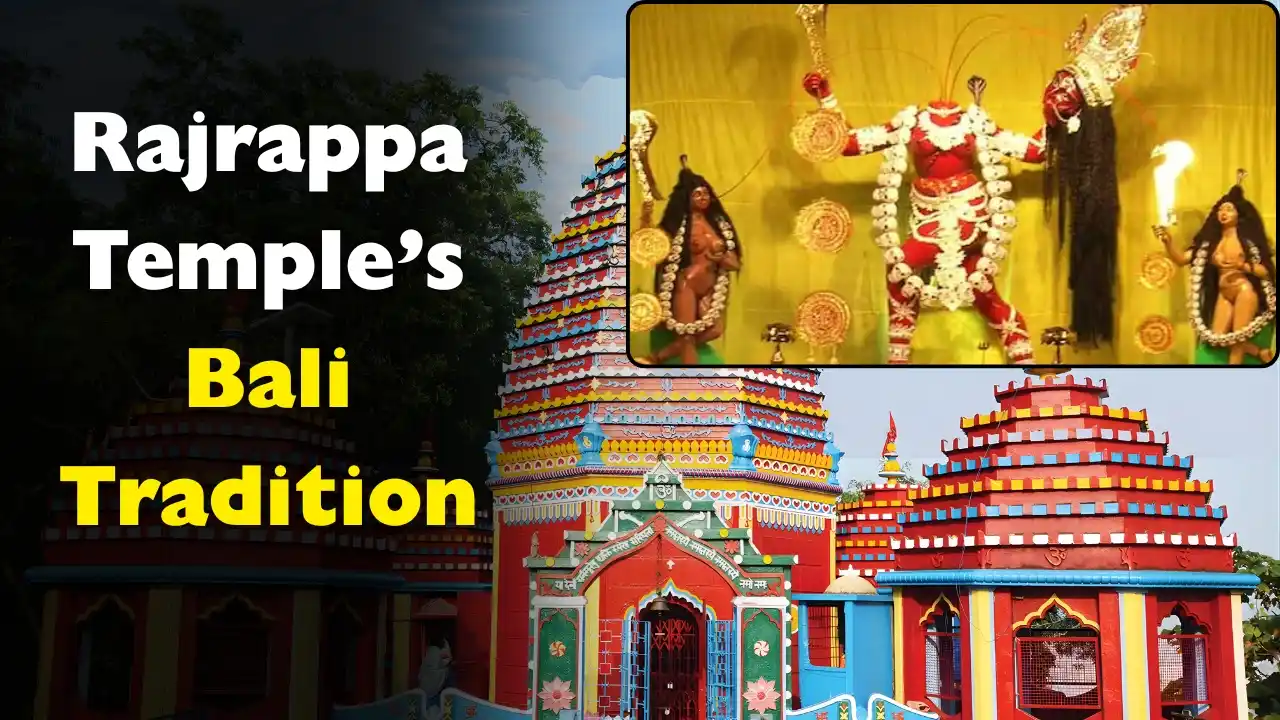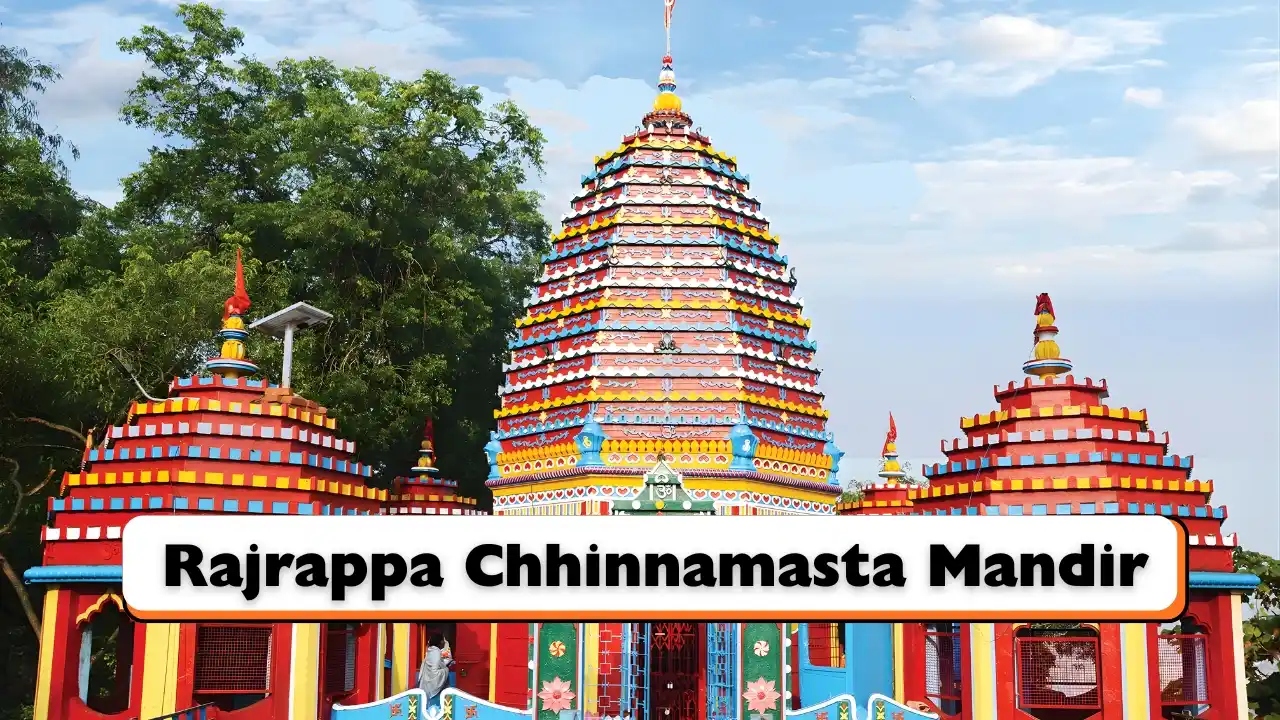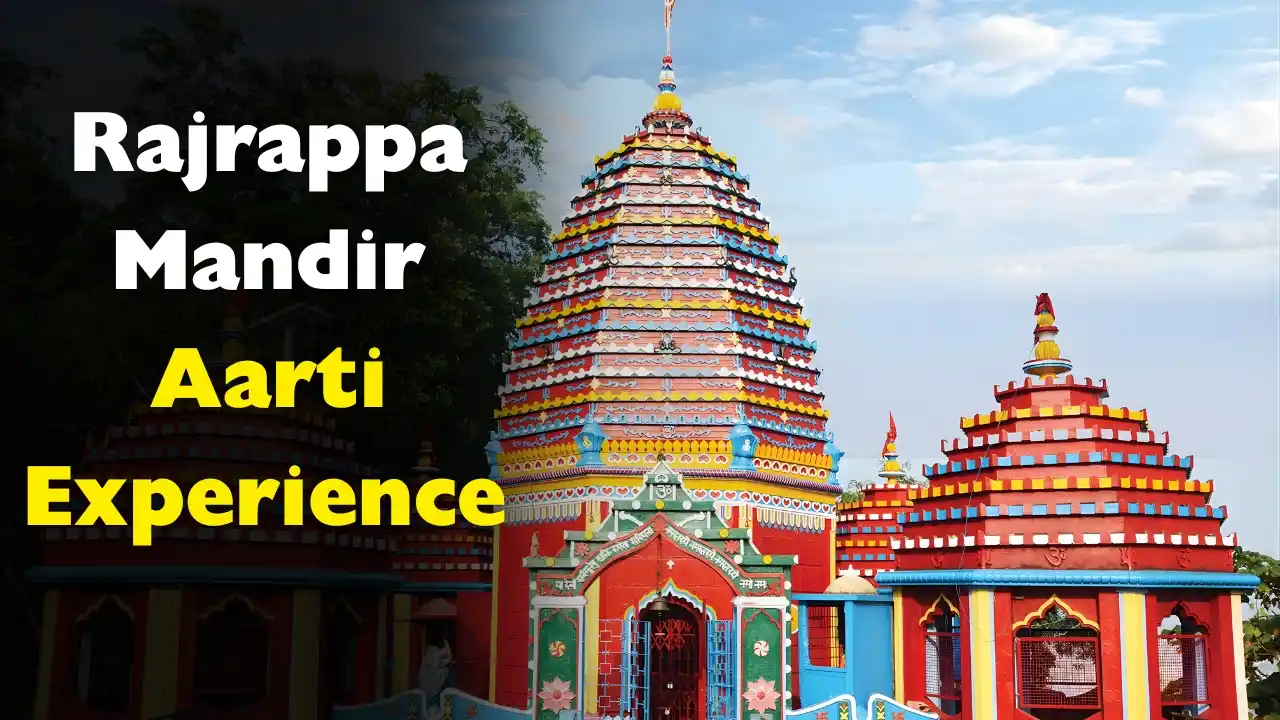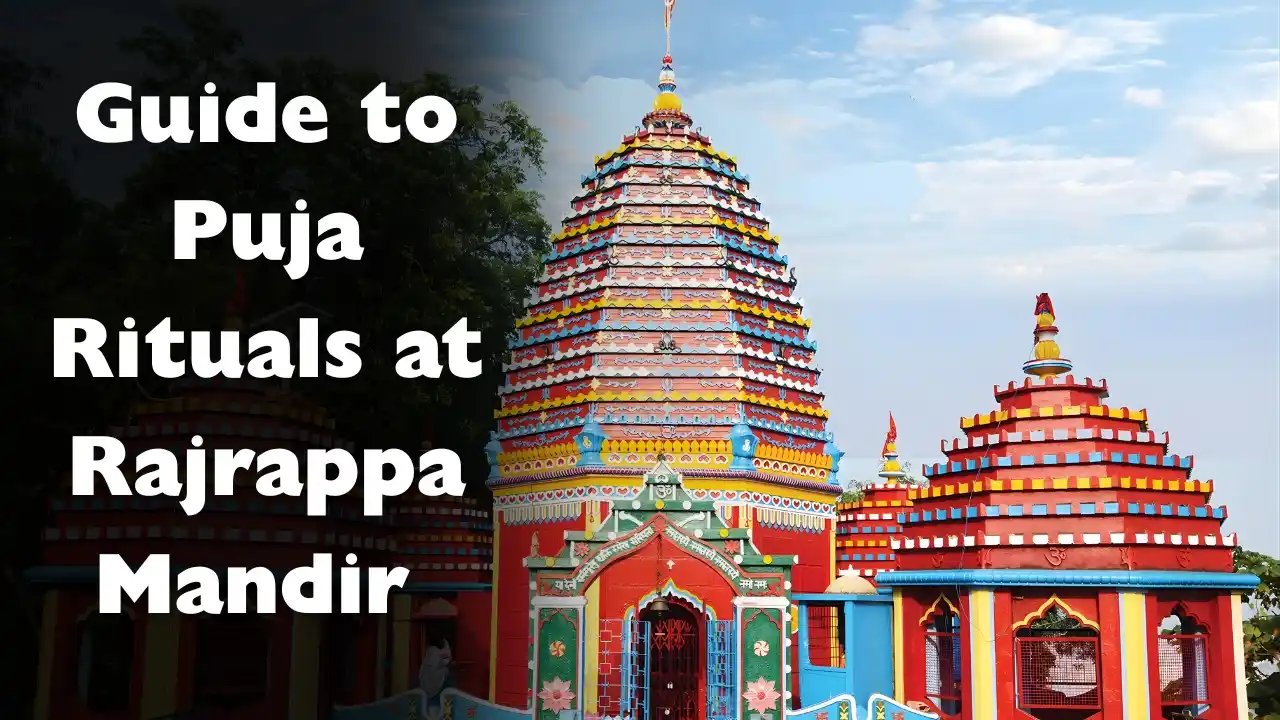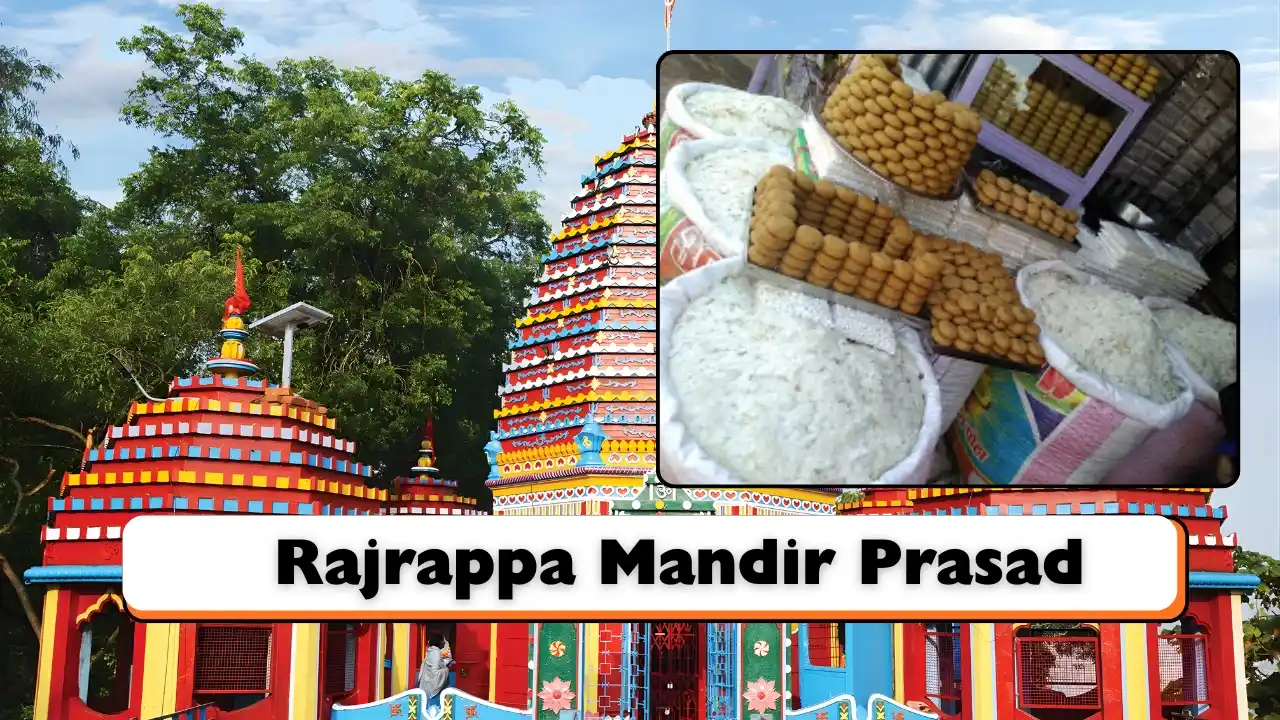
In the peaceful hills of Jharkhand, surrounded by forests and flowing rivers, stands the ancient and divine Rajrappa Mandir, dedicated to Goddess Chhinnamasta. Known as one of the most powerful Shakti Peeths in India, this temple is not only a place of worship but also a living symbol of faith, energy, and devotion.
- 1The Divine Meaning of Prasad
- 2Prasad at Rajrappa Mandir – A Sacred Offering to Maa Chhinnamasta
- 3The Ritual Process of Prasad Offering
- 4Spiritual Significance of Rajrappa Mandir Prasad
- 5Devotees’ Faith and Experience
- 6Festival Prasad – The Time of Abundance
- 7How to Offer Prasad at Rajrappa Mandir
- 8A Taste of Faith – Beyond Food
Among the many sacred traditions followed here, the offering and receiving of Prasad holds a special place in the hearts of devotees. The Prasad at Rajrappa Mandir is not just food — it is a holy blessing, a symbol of the goddess’s grace and protection. Every grain, every sweet, and every offering carries spiritual power that devotees believe purifies the body and mind.
In this article, we will explore the spiritual significance of Rajrappa Mandir Prasad, how it is prepared, offered, and distributed, and why it is considered one of the most sacred parts of visiting this temple.
The Divine Meaning of Prasad
In Hinduism, Prasad means “grace” or “divine gift.” It refers to the food or offering that is first presented to the deity during worship and then shared with devotees as a symbol of divine blessings.
At Rajrappa Mandir, Prasad represents the compassion and power of Maa Chhinnamasta, who teaches through her image the importance of sacrifice, transformation, and spiritual awakening. When devotees receive the Prasad, they believe it contains the energy of the goddess herself — a sacred vibration that cleanses the soul, removes negativity, and brings peace.
The act of offering food to the goddess before consuming it is an ancient Vedic ritual symbolizing humility, gratitude, and surrender. It reminds devotees that everything in life — food, energy, and blessings — comes from the divine source.
Prasad at Rajrappa Mandir – A Sacred Offering to Maa Chhinnamasta
The Prasad offered at Rajrappa Mandir is simple, pure, and filled with devotion. It usually includes traditional items such as:
- Coconut – Symbol of purity and self-offering.
- Bananas and Fruits – Represent the sweetness of devotion.
- Sweets (Mithai) – Often ladoo, pedha, or batasha made of jaggery or sugar.
- Sindoor and Red Cloth – Offered with the Prasad to symbolize the divine feminine energy (Shakti).
- Flowers and Rice – Represent prosperity and peace.
Every morning, before the temple opens for devotees, these offerings are purified with Ganga Jal (holy water) and placed before the idol of Maa Chhinnamasta by the temple priests. Once the goddess is offered the Prasad during Bhog Aarti, it becomes Maa ka Prasad, sanctified by her divine presence.
The Ritual Process of Prasad Offering
The preparation and offering of Prasad at Rajrappa Mandir follow an ancient and sacred sequence of rituals.
1. Preparation of Prasad
The Prasad is prepared by temple cooks and devotees in a clean, spiritual environment. The use of onion, garlic, and non-vegetarian ingredients is strictly avoided. Devotees also bring their own offerings from home, made with love and devotion.
Before cooking, the ingredients are washed in the holy waters of the Bhairavi River, which flows beside the temple. The preparation is done with constant chanting of mantras to invoke purity and blessings.
2. Offering to the Goddess (Bhog Aarti)
Once the food is prepared, it is placed before the idol of Maa Chhinnamasta during the midday Bhog Aarti, which usually happens around 12:00 PM. The priests light incense, ring bells, and recite sacred hymns as they present the food to the goddess.
It is believed that during this ritual, the goddess accepts the offering spiritually, transforming it from ordinary food into divine Prasad. The entire temple vibrates with the sound of “Jai Maa Chhinnamasta!” as devotees bow their heads in devotion.
3. Distribution of Prasad to Devotees
After the Bhog Aarti, the Prasad is distributed among all devotees who have gathered in the temple. The distribution happens in the outer courtyard, where temple staff and volunteers serve the Prasad with smiles and folded hands.
Some devotees prefer to sit by the riverbank and eat their Prasad in silence, feeling the peaceful presence of the goddess around them.
It is said that consuming the Prasad with faith brings inner strength, removes fear, and fulfills sincere wishes.
Spiritual Significance of Rajrappa Mandir Prasad
1. Symbol of the Goddess’s Blessings
Prasad at Rajrappa Mandir is not just food — it is a sacred blessing infused with the energy of Maa Chhinnamasta. Every bite is believed to carry her protection and strength.
Devotees say that after eating the Prasad, they feel lighter, calmer, and spiritually fulfilled — as if the goddess herself has blessed them.
2. A Connection Between the Divine and the Devotee
When devotees offer food to the goddess, it is a gesture of love and surrender. When that food returns as Prasad, it becomes a symbol of the goddess’s acceptance — a divine connection that unites the human and the divine.
3. Purification of Mind and Soul
The power of the goddess is believed to flow through the Prasad, cleansing negative thoughts and emotions. Eating it with devotion brings peace, gratitude, and self-control — the same virtues that Maa Chhinnamasta symbolizes.
4. Equality and Sharing
One of the most beautiful aspects of Prasad distribution is that everyone receives it equally — whether rich or poor, local or traveler. It reflects the universal message of equality in the eyes of the divine.
Devotees’ Faith and Experience
Those who have visited Rajrappa Mandir often describe the experience of receiving Prasad as deeply emotional. Many devotees close their eyes and hold the Prasad close to their hearts before eating, whispering their prayers to Maa Chhinnamasta.
Some take the Prasad home to share with family, believing it protects the household and brings prosperity. Others keep a small portion in their puja rooms as a reminder of their sacred visit.
There are countless stories of people whose wishes were fulfilled after offering Prasad with true devotion — whether it was a prayer for good health, success, or peace in the family.
Festival Prasad – The Time of Abundance
During major festivals like Navratri, Durga Puja, and Kali Puja, the Rajrappa Mandir transforms into a sea of devotion. Thousands of devotees line up to offer Prasad to the goddess.
On these days, large community kitchens are set up near the temple where volunteers prepare massive quantities of Prasad for distribution. The aroma of sweets, rice, and ghee fills the air, and the entire region becomes a celebration of faith and togetherness.
It is said that during Navratri, the goddess’s blessings are strongest, and the Prasad received during this time carries special spiritual power.
How to Offer Prasad at Rajrappa Mandir
If you are planning to visit the temple, here’s how you can offer Prasad:
- Purchase or Prepare Prasad: You can buy Prasad items like coconuts, sweets, and red cloth from stalls near the temple or prepare them at home.
- Visit During Bhog Aarti: The best time to offer Prasad is during the midday Bhog Aarti (around 12:00 PM).
- Offer With Devotion: Place your Prasad in front of the goddess with folded hands and closed eyes, silently praying for her blessings.
- Receive and Share: After the rituals, you will receive a portion of the sanctified Prasad. Eat it with faith and share it with your loved ones.
A Taste of Faith – Beyond Food
At Rajrappa Mandir, the Prasad is not just a tradition; it is an emotion — a sacred exchange of love between the goddess and her devotees. It teaches the beauty of giving before receiving, of offering before asking.
The simple sweetness of the Prasad, the sound of bells, the fragrance of flowers, and the peaceful flow of the Bhairavi River together create an experience that touches the deepest part of your heart.
When you hold the Prasad in your hands, it is more than just food — it is Maa Chhinnamasta’s divine energy, her compassion, and her endless grace, reminding you that the divine always provides, protects, and blesses those who believe.