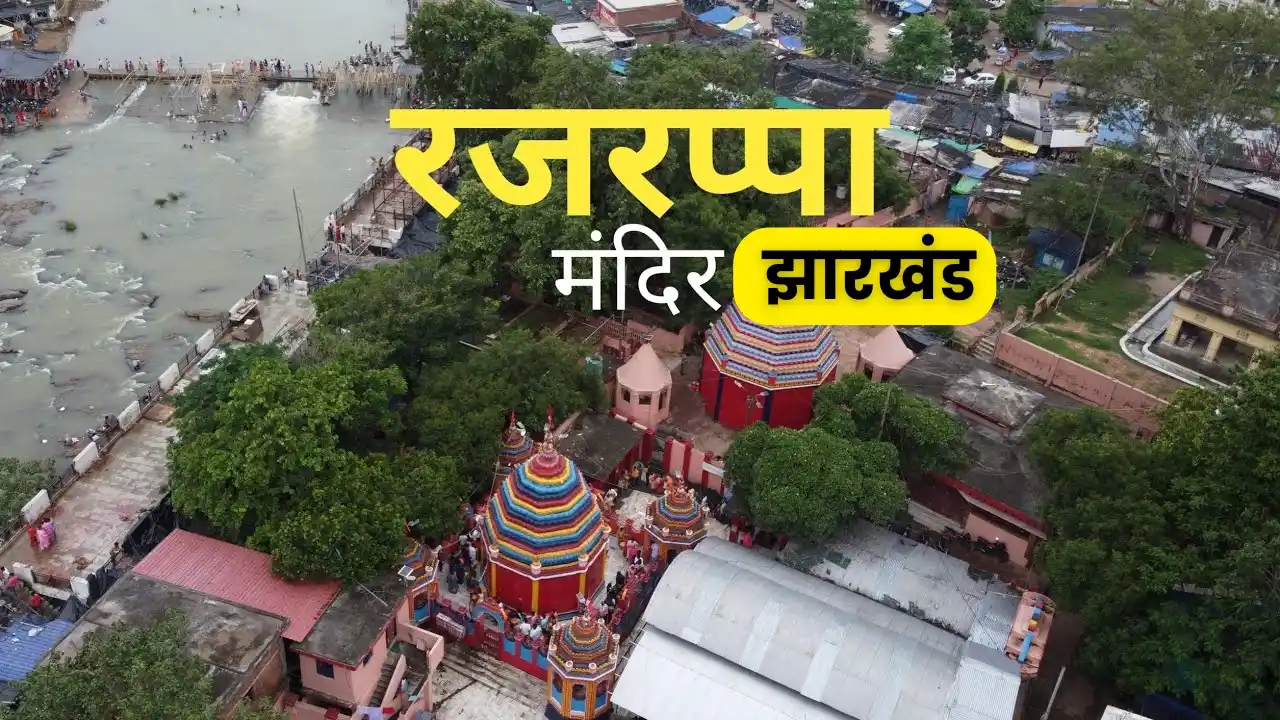
Deep in the lush landscapes of Jharkhand, where rivers flow like silver threads through ancient hills, lies a temple that is both mysterious and divine — the Rajrappa Mandir. This sacred shrine, dedicated to Goddess Chhinnamasta, is not just a place of worship but a powerful Shakti Peeth, a seat of divine feminine energy where mythology, faith, and nature meet.
- 1The Sacred Home of Goddess Chhinnamasta
- 2The Mythological Origin – The Story of Goddess Sati
- 3Why Rajrappa Is Considered a Shakti Peeth
- 4The Hidden Symbolism of the Goddess
- 5The Temple’s Architecture and Ancient Design
- 6Spiritual Practices and Rituals at Rajrappa
- 7The Eternal Rivers – The Living Energy of Rajrappa
- 8The Faith and Miracles of Devotees
- 9Conclusion: The Living Power of a Forgotten Shakti Peeth
Though millions of devotees visit every year, few truly know the untold story behind this extraordinary temple — its origin, its deep spiritual meaning, and the unseen power that draws people to it again and again. Let’s unfold the divine mystery of Rajrappa Mandir Jharkhand, the hidden jewel among India’s Shakti Peeths.
The Sacred Home of Goddess Chhinnamasta
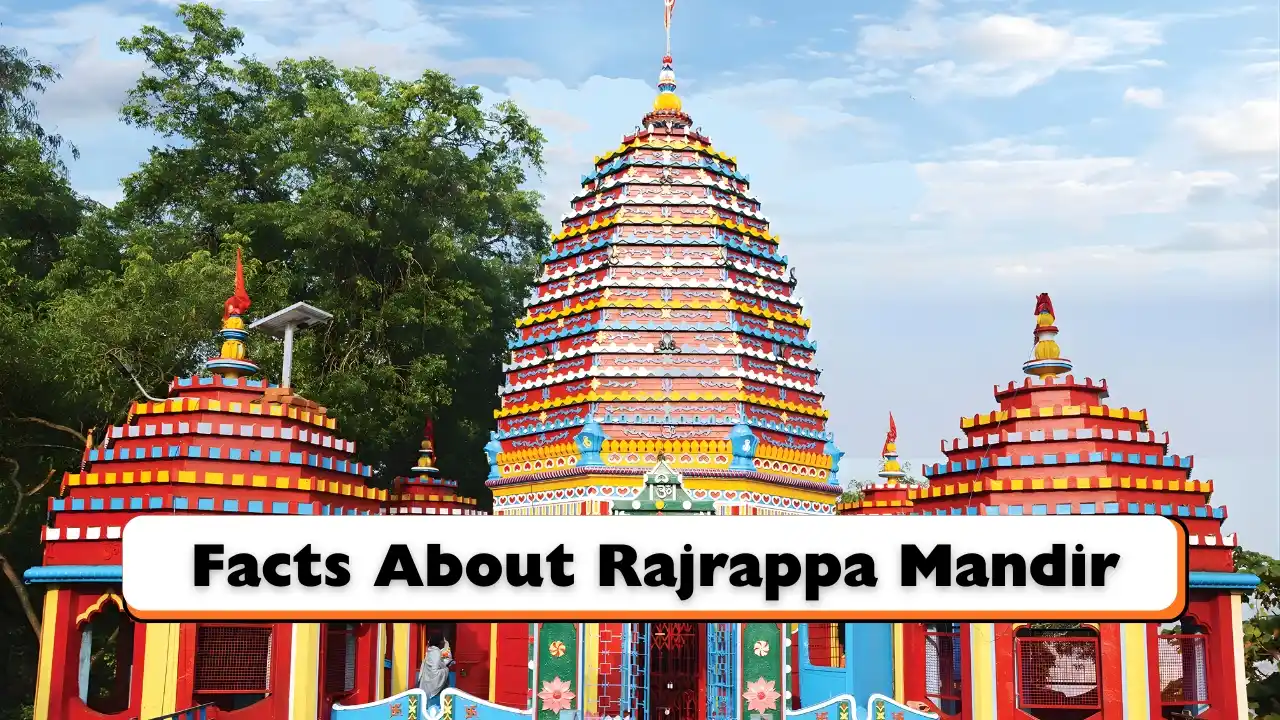
Rajrappa Mandir is located in the Ramgarh district of Jharkhand, around 80 kilometers from Ranchi, the capital city. The temple stands at the sacred confluence (sangam) of two rivers — Bhairavi and Damodar. The merging of these two rivers is believed to represent the union of Shakti (divine feminine energy) and Shiva (divine consciousness), creating a vibration so powerful that it turns this region into a spiritual energy field.
The presiding deity of this temple is Goddess Chhinnamasta, one of the ten Mahavidyas, or great wisdom goddesses, in Hinduism. Her image is unique, awe-inspiring, and filled with symbolic meaning.
She is depicted as a self-decapitated goddess, standing on the bodies of Kama (desire) and Rati (pleasure), holding her own severed head in one hand and a sword in the other. Three streams of blood flow from her neck — one enters her mouth, and the other two feed her attendants, Jaya and Vijaya.
This image, though fierce, represents sacrifice, transformation, and control over desires. The goddess teaches that true enlightenment comes not by running away from life but by transcending the ego and attachments that bind the soul.
The Mythological Origin – The Story of Goddess Sati
The story of Rajrappa Mandir’s origin goes back to the ancient legend of Goddess Sati and Lord Shiva.
According to Hindu mythology, Sati, the daughter of King Daksha, married Lord Shiva against her father’s wishes. Once, King Daksha organized a grand yagna (sacrificial ceremony) and invited all the gods and goddesses — except Lord Shiva and Sati.
Despite not being invited, Sati went to her father’s ceremony, hoping to be welcomed lovingly. Instead, Daksha insulted her husband in front of everyone. Heartbroken and humiliated, Sati could not bear the disrespect toward her divine spouse. In deep sorrow and anger, she immolated herself in the sacred fire of the yagna.
When Lord Shiva learned about Sati’s death, his grief turned into rage. He carried her lifeless body across the universe, performing the Tandava, the cosmic dance of destruction. To calm him and restore balance in the world, Lord Vishnu used his Sudarshan Chakra to cut Sati’s body into 51 pieces.
Each part of her body fell at different places on Earth, and these places became known as Shakti Peeths, sacred sites where the goddess’s energy resides forever.
It is believed that at Rajrappa, the head (mastak) of Goddess Sati fell. That is why the goddess here is worshipped as Chhinnamasta, the beheaded one — the symbol of ultimate self-sacrifice and spiritual awakening.
Why Rajrappa Is Considered a Shakti Peeth
Being the place where Sati’s head fell, Rajrappa Mandir holds immense spiritual power. In Hinduism, a Shakti Peeth is not just a temple — it is a living energy center, vibrating with the presence of the goddess herself.
Devotees believe that the energy at Rajrappa is so strong that it can awaken Shakti (spiritual power) within anyone who prays here with a pure heart. Many describe feeling a strange calmness and vibration in their body while standing near the sanctum — as if the goddess herself is embracing them with her energy.
The temple’s location near the river confluence amplifies this spiritual force. The flowing waters of Bhairavi and Damodar are believed to cleanse not only the body but also the soul, preparing devotees to receive the blessings of the goddess.
The Hidden Symbolism of the Goddess
The form of Goddess Chhinnamasta at Rajrappa is full of deep meaning. While her image may appear terrifying, it actually represents the highest truth of existence — the balance between life and death, creation and destruction.
Her act of self-decapitation signifies the cutting off of ego — the ultimate act of spiritual surrender. The three streams of blood symbolize the flow of life energy nourishing creation. The goddess’s calm expression even in such a fierce form shows that enlightenment lies in complete acceptance of all aspects of life.
Standing on Kama and Rati represents her victory over worldly desires. She is the goddess who transforms lust into love, hunger into contentment, and ignorance into wisdom.
The Temple’s Architecture and Ancient Design
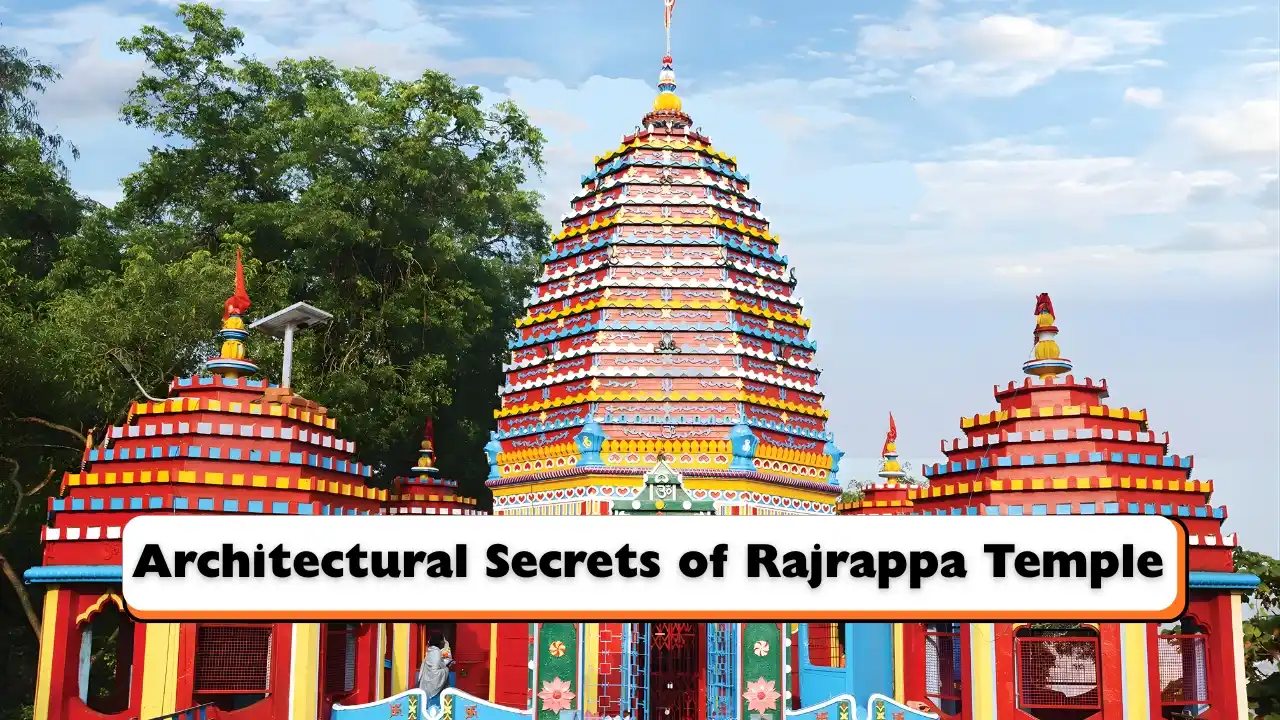
Rajrappa Mandir’s structure reflects ancient Tantric architecture, built with deep symbolic and spiritual intent. Unlike most temples, it does not have towering spires or golden domes. Instead, it has a small stone shrine, simple yet filled with divine energy.
The idol of Goddess Chhinnamasta is believed to be self-manifested (Swayambhu) — naturally formed and not crafted by human hands. The sanctum is dark, representing the womb of creation, where life begins and ends.
The temple is positioned toward the east, allowing the first rays of the rising sun to fall upon the goddess, symbolizing enlightenment and renewal. The surrounding area is decorated with smaller shrines dedicated to Lord Shiva, Bhairava, and Surya, completing the divine balance.
Spiritual Practices and Rituals at Rajrappa
Rajrappa Mandir has been a center of Tantric worship for centuries. Followers of Shaktism believe that the temple is one of the most powerful places on Earth for Kundalini awakening — the process of unlocking inner spiritual energy.
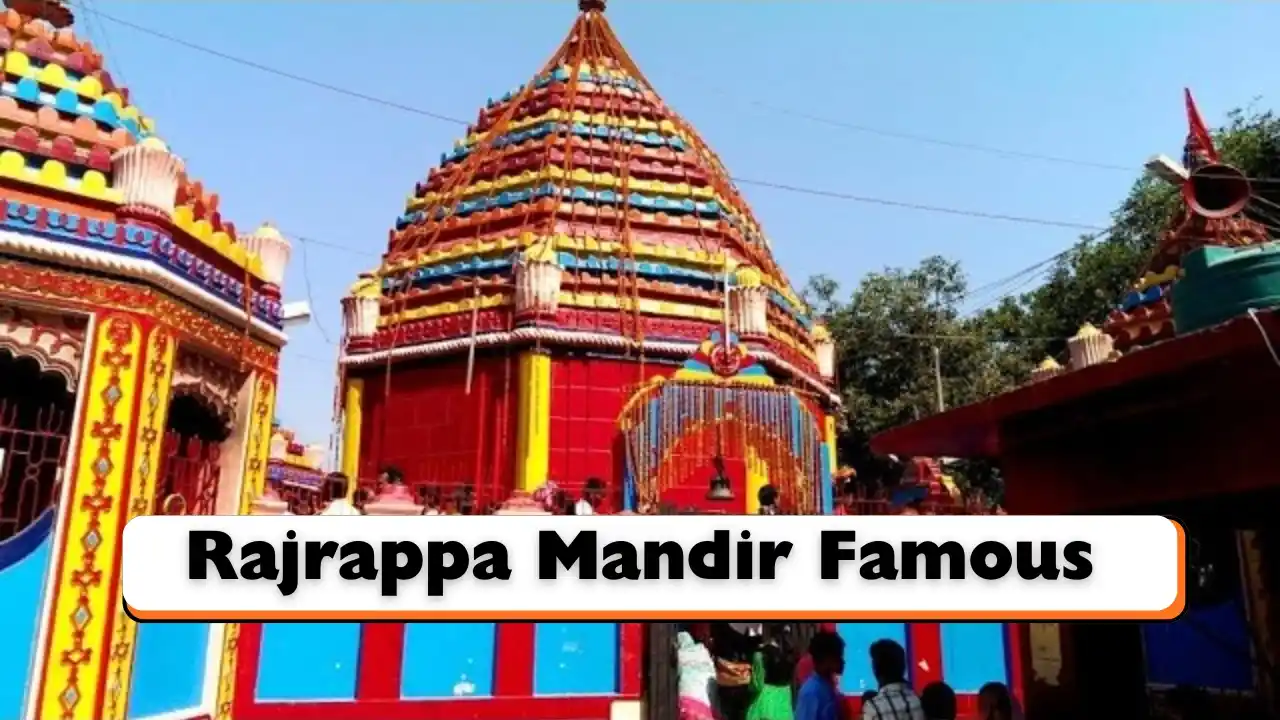
Every morning and evening, the temple resonates with the sound of conch shells, bells, and mantras as priests perform the goddess’s aarti. Devotees offer red cloth, coconuts, and sweets as symbols of devotion.
In ancient times, animal sacrifices (bali) were performed as part of the rituals, symbolizing the surrender of ego and negative energies. Today, most devotees perform symbolic sacrifices instead, keeping the tradition alive in a compassionate form.
During festivals like Navratri, Durga Puja, and Kali Puja, the temple becomes alive with energy. Thousands gather to chant the goddess’s name, light lamps, and celebrate the victory of divine power over darkness.
The Eternal Rivers – The Living Energy of Rajrappa
The Bhairavi and Damodar Rivers that meet at Rajrappa are not just geographical features; they are living symbols of divine energy. The Bhairavi River, named after a fierce form of the goddess, represents power and motion, while the Damodar River represents calmness and peace.
Their meeting near the temple is believed to create a spiritual current that flows continuously, cleansing and energizing the land. Bathing in this confluence is said to purify one’s soul and bring blessings from the goddess herself.
The Faith and Miracles of Devotees
Devotees from Jharkhand, Bihar, Bengal, and even Nepal visit Rajrappa Mandir throughout the year. Many share stories of miraculous experiences — illnesses cured, prayers answered, and lives changed after seeking the goddess’s blessings.
The temple is not just a place of worship; it is a sanctuary of hope. The energy of Rajrappa touches everyone — from saints and travelers to ordinary people who come carrying their faith in silence.
Conclusion: The Living Power of a Forgotten Shakti Peeth
The untold story of Rajrappa Mandir is not just about its origin or architecture — it is about divine energy that lives and breathes even today. It is the story of a goddess who sacrificed herself to show the world the meaning of freedom, courage, and transformation.
Standing at the confluence of the Bhairavi and Damodar Rivers, with the chanting of devotees and the soft glow of lamps around, one can feel that Rajrappa is not just a temple it is a living presence of Shakti, the eternal feminine power that holds the universe together.
Rajrappa Mandir reminds us that the goddess does not reside only in idols; she lives in rivers, in faith, and in every heart that seeks truth. This is the untold story of the Shakti Peeth a story not of stone and structure, but of divine energy, eternal love, and timeless devotion.