In the heart of Jharkhand, surrounded by serene hills, green forests, and flowing rivers, lies one of India’s most enchanting spiritual destinations — the Rajrappa Mandir. Dedicated to Goddess Chhinnamasta, this temple stands as a symbol of divine power, mystery, and faith. But Rajrappa is not only a sacred temple — it is also a place of breathtaking natural beauty, making it a perfect blend of spirituality and tourism.
- 1The Sacred Abode of Goddess Chhinnamasta
- 2Where Faith Meets Nature – The Sacred Rivers of Rajrappa
- 3The Temple’s Historical and Spiritual Importance
- 4Rajrappa as a Tourist Destination
- 5Architecture That Reflects Divinity
- 6Rituals, Festivals, and Devotees’ Faith
- 7How to Reach Rajrappa Mandir
- 8Best Time to Visit
- 9A Destination of Faith and Serenity
Every year, thousands of devotees, nature lovers, and travelers visit Rajrappa to experience its magical charm. It’s a place where the chanting of mantras mixes with the sound of rushing rivers, where faith meets nature, and where every visitor leaves with a sense of peace and wonder.
The Sacred Abode of Goddess Chhinnamasta
At the heart of Rajrappa’s spiritual essence is the Chhinnamasta Temple, one of the oldest and most unique temples in India. The presiding deity, Goddess Chhinnamasta, is a powerful and rare form of Shakti, the divine feminine energy.
The goddess is depicted as self-decapitated, holding her own severed head in one hand and a sword in the other. Three streams of blood flow from her neck — one enters her mouth and the other two feed her attendants, Jaya and Vijaya.
Though this image may seem fierce, it carries deep spiritual meaning. It represents sacrifice, detachment, and self-realization — the idea that true enlightenment comes only when we rise above ego and desire.
Rajrappa is one of the few temples in the world where the goddess is worshipped in this form, making it a place of great religious importance and curiosity for visitors.
Where Faith Meets Nature – The Sacred Rivers of Rajrappa
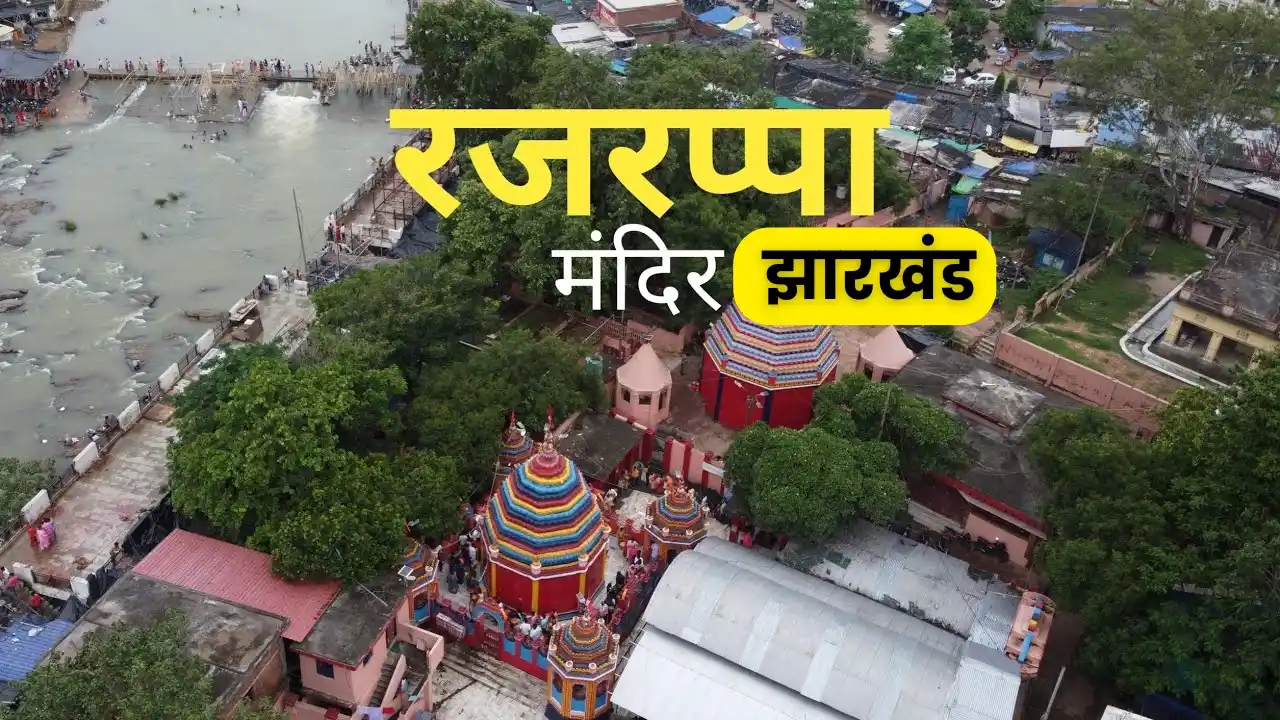
The beauty of Rajrappa lies not just in its temple but also in its stunning natural setting. The temple stands at the sangam (confluence) of two holy rivers — Bhairavi and Damodar.
The Bhairavi River, symbolizing feminine energy and power, flows from the south, while the Damodar River, representing masculine calmness and stability, flows from the north. Their union near the temple is believed to represent the divine balance between Shakti and Shiva — the two cosmic forces that sustain life.
The confluence itself is mesmerizing. The water of the Bhairavi River appears darker and flows with speed, while the Damodar River flows gently and clearly. Watching them merge is a spiritual experience in itself — a reminder of how power and peace coexist in nature.
The Temple’s Historical and Spiritual Importance
Rajrappa Mandir is believed to be one of the 51 Shakti Peeths — sacred places where parts of Goddess Sati’s body fell when Lord Vishnu’s Sudarshan Chakra cut her lifeless form to calm Lord Shiva’s grief.
According to legend, the head of Sati fell at Rajrappa, which is why the goddess here is worshipped as Chhinnamasta, the beheaded form of Shakti. This divine event gives the temple its eternal energy, and devotees believe that the goddess still resides here, blessing all who visit with strength and peace.
It is said that praying at Rajrappa Mandir fulfills sincere wishes and frees devotees from fear, ego, and sorrow. Many pilgrims who visit this temple describe feeling an unusual vibration — a mix of calmness and divine power that cannot be put into words.
Rajrappa as a Tourist Destination
Apart from being a deeply spiritual place, Rajrappa is also one of the most beautiful natural spots in Jharkhand. The temple’s surroundings are breathtaking — dense forests, rocky hills, and clear rivers create an atmosphere of peace and purity.
The Rajrappa Waterfall, where the Bhairavi River cascades into the Damodar, is a major attraction. The sight of the water falling amidst greenery is truly mesmerizing, especially during the monsoon season. Many visitors come here to enjoy picnics, photography, and quiet moments of reflection.
For those interested in exploring beyond the temple, there are several nature trails and scenic viewpoints nearby. Early mornings and evenings offer the most stunning views, with birds chirping, mist over the rivers, and the sound of temple bells echoing through the valley.
Rajrappa also offers a glimpse into the tribal and rural culture of Jharkhand. Local markets near the temple sell handcrafted items, religious souvenirs, and traditional snacks, giving visitors a taste of the region’s rich cultural heritage.
Architecture That Reflects Divinity
The architecture of Rajrappa Temple is simple yet deeply symbolic. Built using stone and brick, it follows the Tantric style of design, focusing on energy flow rather than grandeur.
The temple does not have tall towers or golden domes like other famous temples. Instead, it radiates spiritual power through its simplicity. The sanctum (Garbhagriha) is small and dark, symbolizing the womb of creation. Inside, the self-manifested idol of Goddess Chhinnamasta glows under the light of oil lamps, creating an aura of mystery and reverence.
The temple’s location near the confluence of the rivers is also part of its sacred geometry — chosen carefully to channel natural and cosmic energy.
Rituals, Festivals, and Devotees’ Faith
Every day, the temple comes alive with chants, bells, and the fragrance of incense. Priests perform aarti twice a day — early in the morning and at sunset. Devotees offer red cloth, coconuts, sweets, and flowers to the goddess.
During ancient times, animal sacrifices (bali) were performed as a form of surrender to the goddess’s power, but today, this practice has been replaced by symbolic offerings like pumpkins and coconuts.
The temple is especially vibrant during Navratri, Durga Puja, and Kali Puja. Thousands of devotees gather to celebrate the goddess’s strength through songs, dances, and rituals. The entire area glows with diyas, and the sound of drums and conch shells fills the air with spiritual energy.
Many people believe that wishes made here with a pure heart never go unanswered. Whether it is peace, prosperity, or healing, devotees say Maa Chhinnamasta listens to all.
How to Reach Rajrappa Mandir
Rajrappa Mandir is easily accessible from major cities in Jharkhand and Bihar.
- By Road:
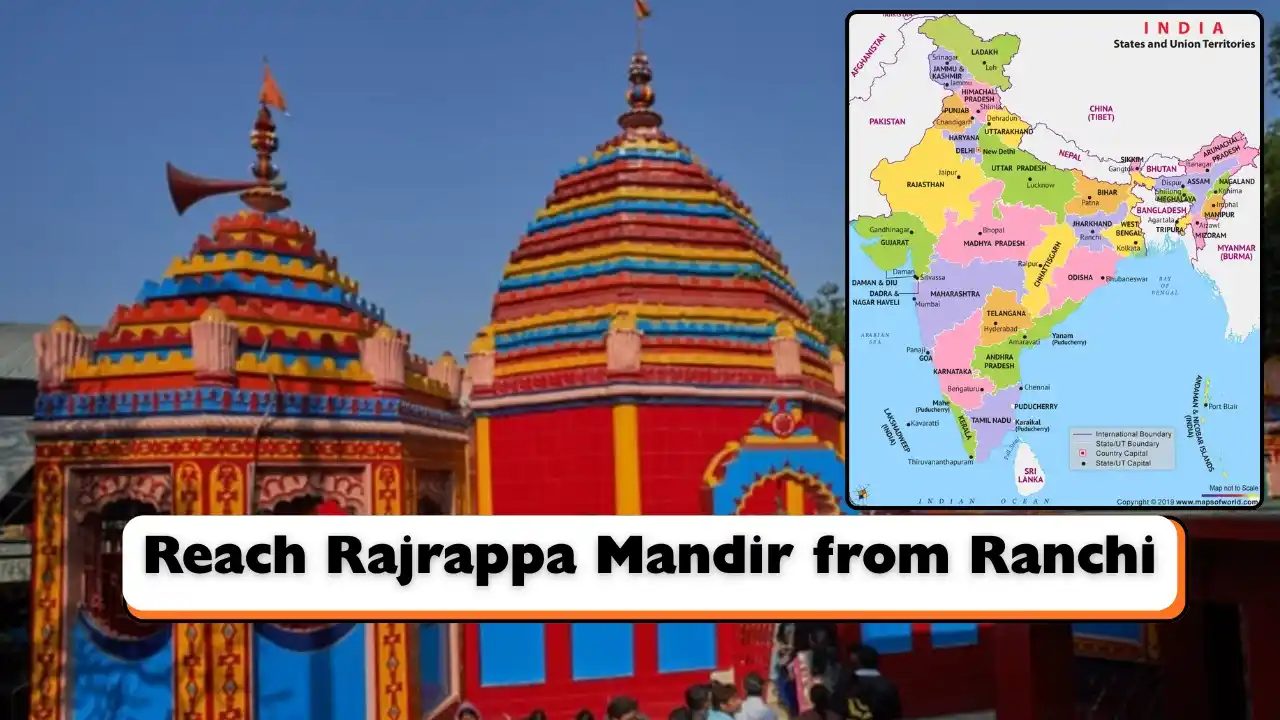
From Ranchi – 78 km (2 hours by car)
From Bokaro – 65 km (1.5 hours by car)
From Hazaribagh – 65 km (2 hours by car)
The temple is located on NH-23, and regular buses, taxis, and private cabs operate from all major towns. - By Train:
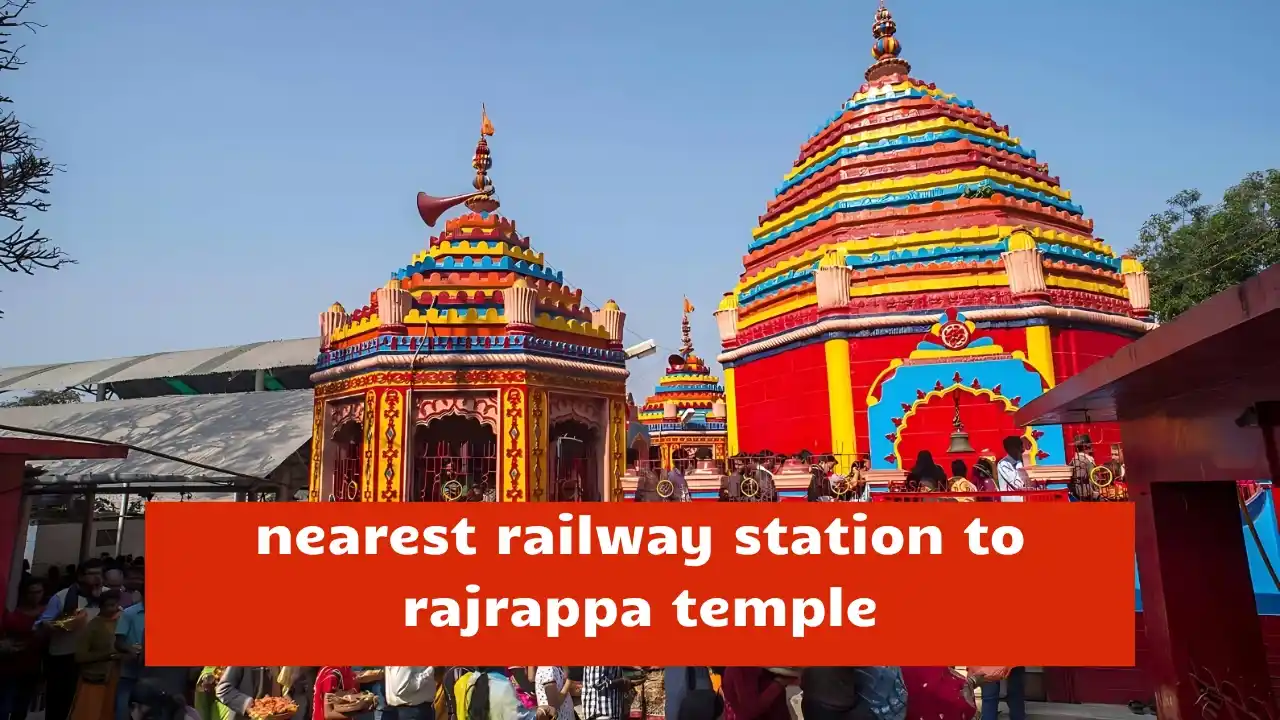
The nearest railway station is Ramgarh Cantonment (28 km). Other nearby stations are Bokaro and Ranchi Junction. - By Air:
The nearest airport is Birsa Munda Airport, Ranchi (80 km). From there, you can hire a cab directly to Rajrappa.
Best Time to Visit
The best time to visit Rajrappa Mandir is between October and March, when the weather is cool and pleasant. During Navratri and Durga Puja, the temple is beautifully decorated, and the celebrations are a sight to behold.
Early morning and evening are the best times for darshan, as the atmosphere is calm and spiritual.
A Destination of Faith and Serenity
What makes Rajrappa truly special is how it blends spiritual devotion with natural beauty. It’s a place where you can bow before the goddess and also lose yourself in the wonders of nature. For devotees, it’s a path to liberation; for travelers, it’s a journey into peace.
Here, spirituality doesn’t end at the temple gate — it flows with the rivers, breathes through the trees, and echoes in the songs of the people who live nearby.
Standing by the river’s edge, watching the waters merge under the open sky, you can feel the energy of the goddess all around you — gentle, powerful, and eternal.
Rajrappa Mandir is more than a destination — it’s an experience of the divine and the natural woven together. It is where faith meets beauty, and every visitor leaves carrying a piece of both in their heart.