In the peaceful landscapes of Jharkhand lies one of India’s most mysterious and spiritually powerful temples — the Rajrappa Mandir, dedicated to Goddess Chhinnamasta. This temple is not just a symbol of faith but a sacred space that connects life, death, energy, and devotion in one divine thread. People who visit Rajrappa often say they can feel a strange spiritual power in the air — a vibration that calms the mind but fills the heart with deep devotion.
- 1Where Is Rajrappa Mandir Located?
- 2The Ancient Legend of Rajrappa Mandir
- 3Who Built Rajrappa Mandir?
- 4The Architecture of Rajrappa Mandir
- 5Historical and Cultural Importance
- 6Rajrappa Mandir and the River Confluence
- 7The Mystery That Surrounds Rajrappa Mandir
- 8Devotees’ Faith Through the Ages
- 9Best Time to Visit Rajrappa Mandir
- 10Conclusion: A Temple Beyond Time
Where Is Rajrappa Mandir Located?
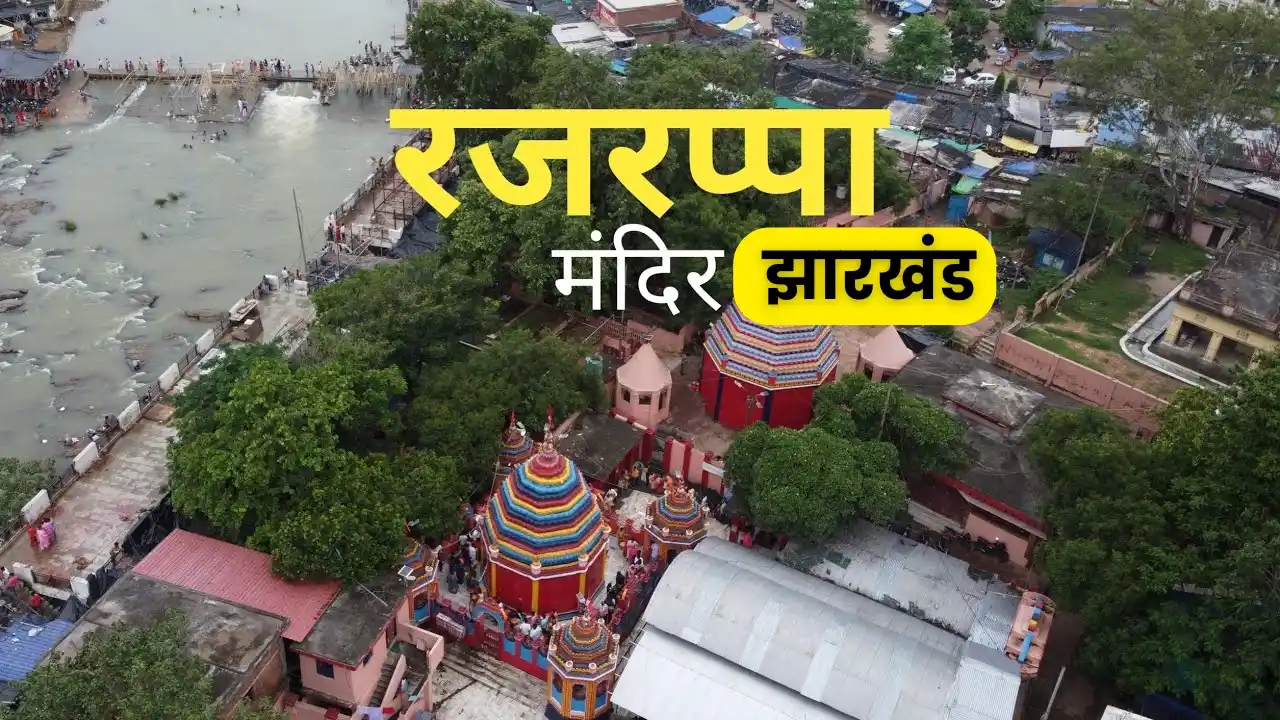
Rajrappa Mandir is located near the confluence of the Bhairavi and Damodar Rivers, in the Ramgarh district of Jharkhand, India. It is about 80 kilometers from Ranchi, the state capital, and is surrounded by dense forests and rocky hills. The temple stands where two rivers meet — Bhairavi, symbolizing feminine energy, and Damodar, representing masculine strength. Their meeting point forms a sacred sangam that has been considered holy for centuries.
Every day, hundreds of devotees, saints, and travelers come to Rajrappa to offer prayers, take holy dips in the river, and experience peace away from the chaos of modern life.
The Ancient Legend of Rajrappa Mandir
The history of Rajrappa Mandir is deeply rooted in Hindu mythology, particularly in the story of Goddess Sati and Lord Shiva. It is said that when Goddess Sati immolated herself at her father Daksha’s yagna, Lord Shiva was filled with unimaginable sorrow. In his grief, he carried her burnt body and wandered across the universe.
To calm him and restore the balance of the cosmos, Lord Vishnu used his Sudarshan Chakra to cut Sati’s body into 51 parts. These pieces fell at different places across the Indian subcontinent, and each spot became known as a Shakti Peeth — a sacred place where the divine feminine energy resides.
It is believed that the head of Goddess Sati fell at Rajrappa, and that is why this temple is considered one of the Shakti Peethas of India. Here, the goddess is worshipped as Maa Chhinnamasta, the self-decapitated goddess who represents sacrifice, self-control, and enlightenment.
Who Built Rajrappa Mandir?
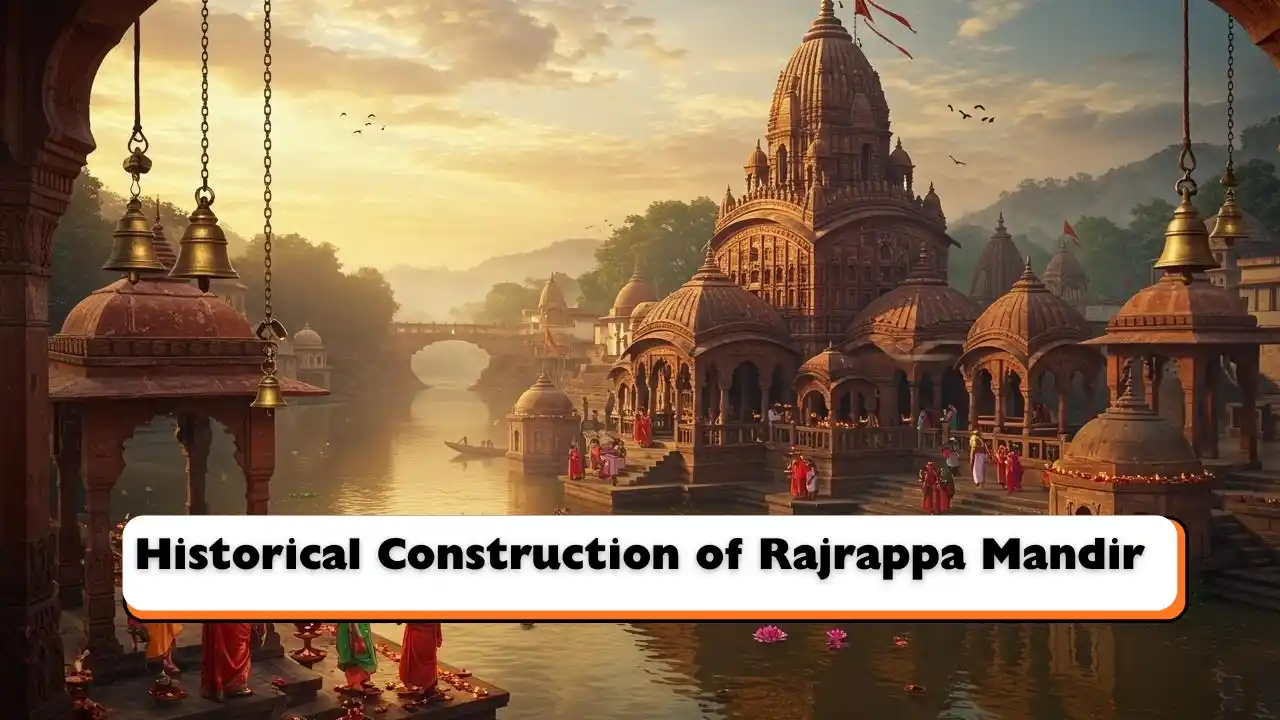
The exact date and builder of Rajrappa Mandir are not clearly known, which adds even more mystery to this sacred site. Historians suggest that the temple might have been built between the 8th and 12th centuries, during the period when Tantric worship and Shakti devotion were at their peak in eastern India.
Some believe that the temple was originally established by Tantric saints who meditated here because the place had strong spiritual vibrations due to the river confluence. Over time, local kings and rulers might have renovated and expanded the temple complex.
The architectural style of the temple, which resembles the Tantra-style temples of Kamakhya (Assam) and Kalighat (Kolkata), supports the idea that it was constructed during the medieval period by devotees of the Shakti cult.
The Architecture of Rajrappa Mandir
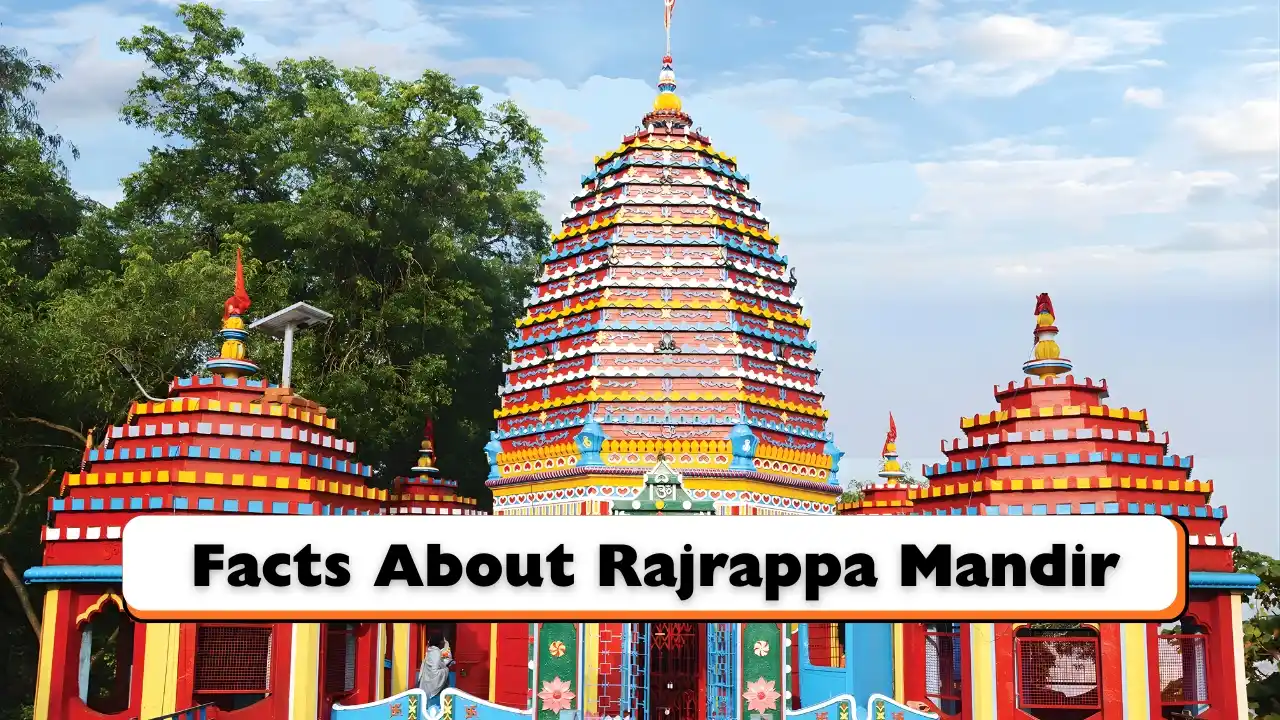
Rajrappa Mandir’s structure is simple yet deeply symbolic. The temple does not have tall towers or golden spires like other famous temples. Instead, it has a modest shrine that holds the idol of Goddess Chhinnamasta, portrayed in a unique and powerful form — a goddess standing over the bodies of Kama (love) and Rati (desire) while holding her own severed head in her hand.
Three streams of blood flow from her neck — one enters her own mouth, and the other two feed her attendants, Jaya and Vijaya. This unusual imagery represents the balance between life and death, desire and detachment, creation and destruction.
The walls of the temple are marked with red sindoor and oil lamps that burn continuously, filling the space with warmth and divine light. The smell of incense, the sound of temple bells, and the chanting of mantras create an atmosphere that feels timeless and sacred.
Historical and Cultural Importance
Rajrappa Mandir is not only a spiritual destination but also a cultural heritage site. The temple has been an important center of Tantric practices for centuries. Followers of the Shakta sect (worshippers of Goddess Shakti) come here to perform rituals that are believed to awaken hidden energies within the human body.
During ancient times, animal sacrifices were performed at the temple to please the goddess and seek her blessings for power and protection. Although this ritual has reduced in modern times, it remains part of the temple’s history.
The temple is also famous for its Navratri celebrations, when thousands of devotees gather to offer prayers and witness the special aarti of Maa Chhinnamasta. The atmosphere during this time is charged with devotion, and the entire area glows with diyas and chants of “Jai Maa Chhinnamasta.”
Rajrappa Mandir and the River Confluence
One of the most fascinating aspects of Rajrappa Mandir’s location is the meeting of the Bhairavi and Damodar Rivers. According to spiritual beliefs, the Bhairavi River represents the fierce energy of Goddess Shakti, while the Damodar River represents the peaceful aspect of Lord Shiva.
When these two rivers meet near the temple, it symbolizes the union of masculine and feminine energies — a perfect balance of creation and destruction. Devotees take a holy dip at this sangam before entering the temple, believing that it washes away sins and purifies the soul.
The sound of the flowing rivers, the chirping of birds, and the cool breeze from the surrounding hills make this temple a place of both natural beauty and divine power.
The Mystery That Surrounds Rajrappa Mandir
Despite being centuries old, much of Rajrappa Mandir’s history remains unexplored. No one knows exactly when it was first built or who the original devotees were. Some locals say that the temple was revealed to humans through a divine vision, while others believe it has existed since the beginning of time.
Many visitors claim to feel a spiritual vibration when they enter the temple — a mix of awe, peace, and fear. The goddess’s form, though fierce, radiates protection and strength. Pilgrims believe that whatever you wish for with a pure heart is granted by Maa Chhinnamasta.
Devotees’ Faith Through the Ages
For hundreds of years, Rajrappa Mandir has been a center of faith for people from Jharkhand, Bihar, Bengal, and even Nepal. Devotees come to pray for prosperity, marriage, children, and success. Some come simply to find peace or to thank the goddess for her blessings.
Even today, you will find long lines of devotees carrying red cloths, coconuts, and flowers. The temple priests perform rituals with ancient mantras that have been passed down through generations.
The faith of the devotees keeps this temple alive — not grand decorations or modern facilities. It stands as a symbol of eternal belief and divine strength, untouched by time.
Best Time to Visit Rajrappa Mandir
The best time to visit Rajrappa Mandir is between October and March, when the weather is pleasant and ideal for traveling. Visiting during Navratri or Durga Puja allows you to witness the temple in its most vibrant form, decorated beautifully and filled with chants of devotees.
Early morning aarti is considered highly auspicious. The temple opens at dawn, and the view of the rising sun reflecting on the river while bells ring in the background is a sight that stays with you forever.
Conclusion: A Temple Beyond Time
The history of Rajrappa Mandir may not be written in any book, but it lives in the hearts of those who visit. It is a place where faith speaks louder than words, where the river sings the song of divinity, and where the Goddess Chhinnamasta stands as a reminder of strength, sacrifice, and balance.
Who built the temple may remain a mystery, but perhaps that is the beauty of Rajrappa. It is not defined by time or history; it is defined by eternal devotion. Every stone, every prayer, and every whisper of the wind tells the same story — that divine power exists, and it watches over all who come with love and belief.