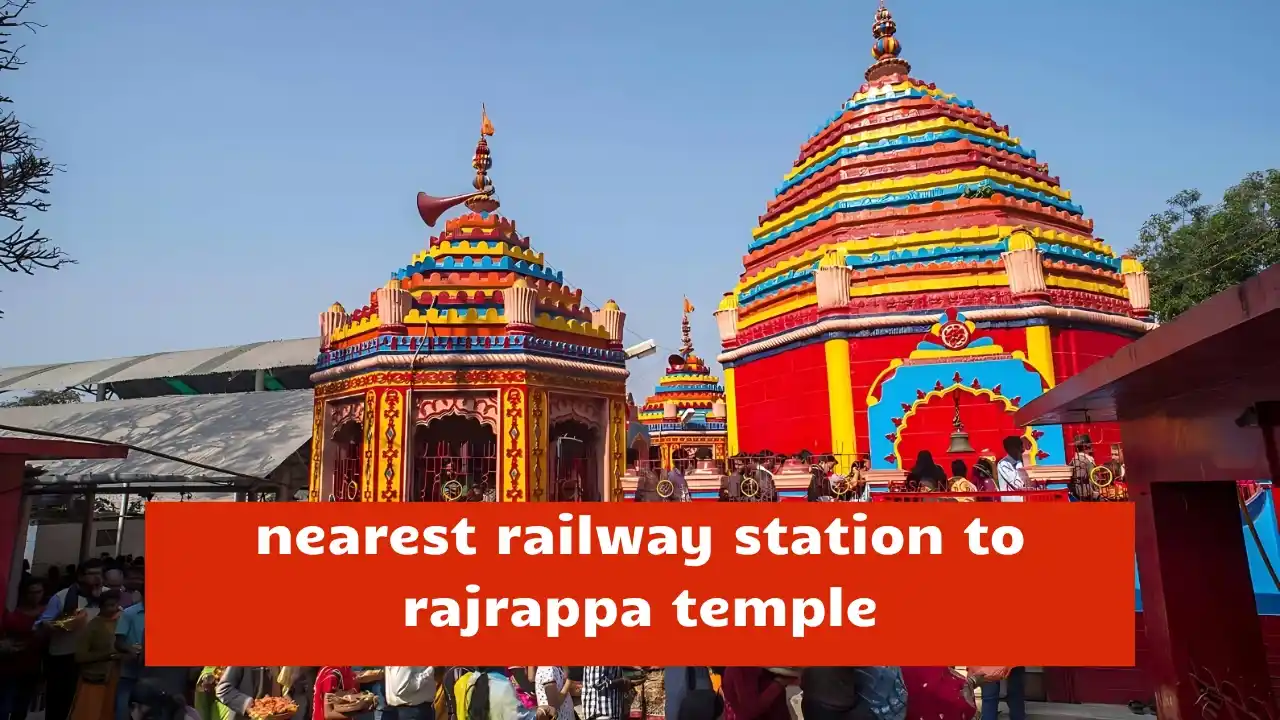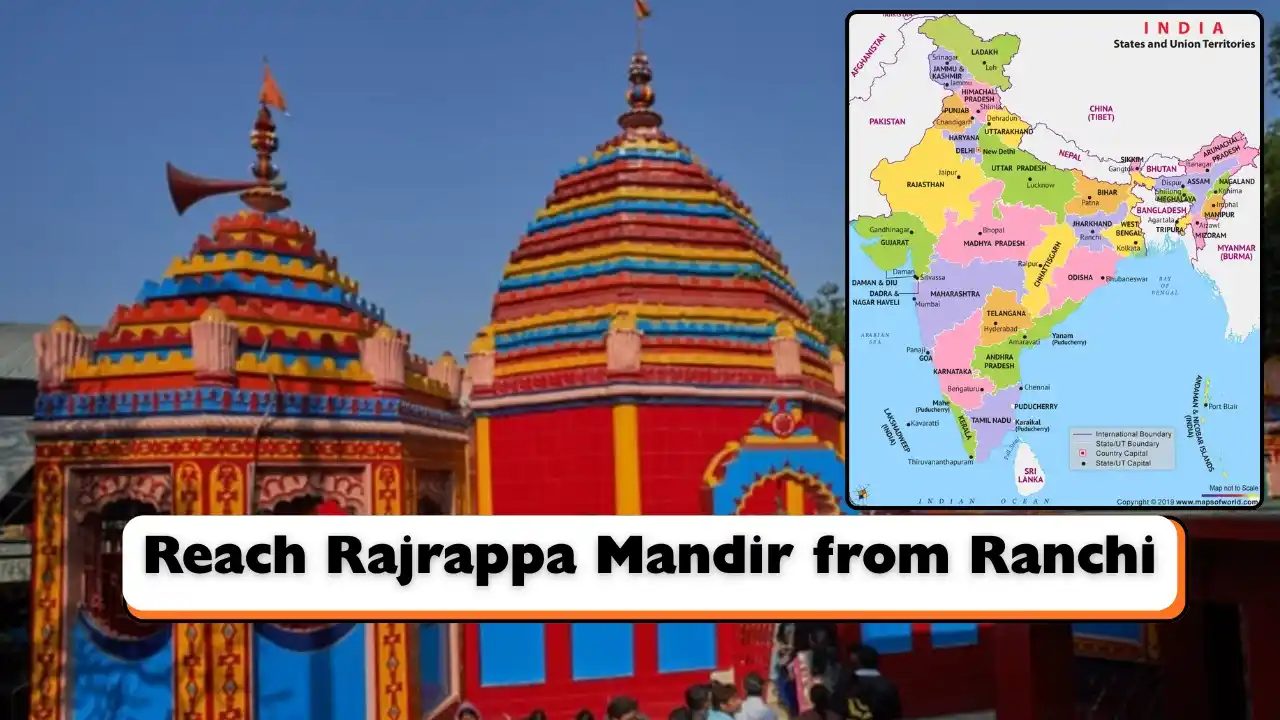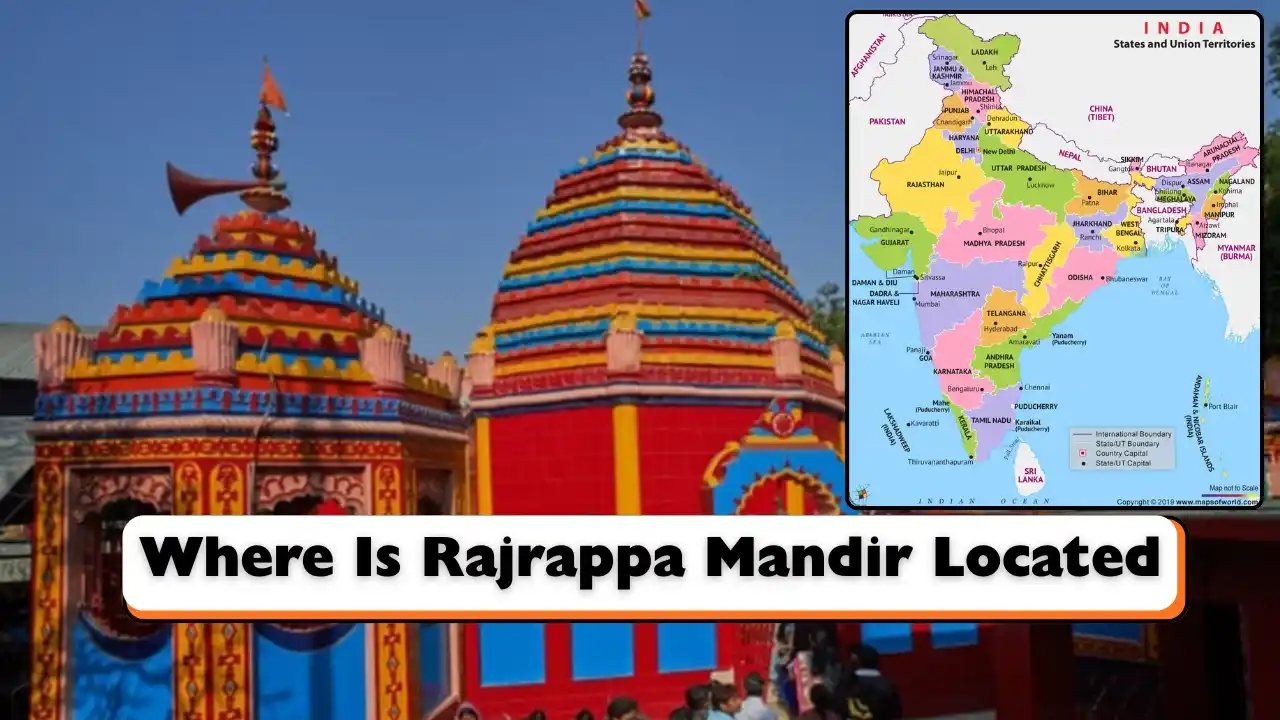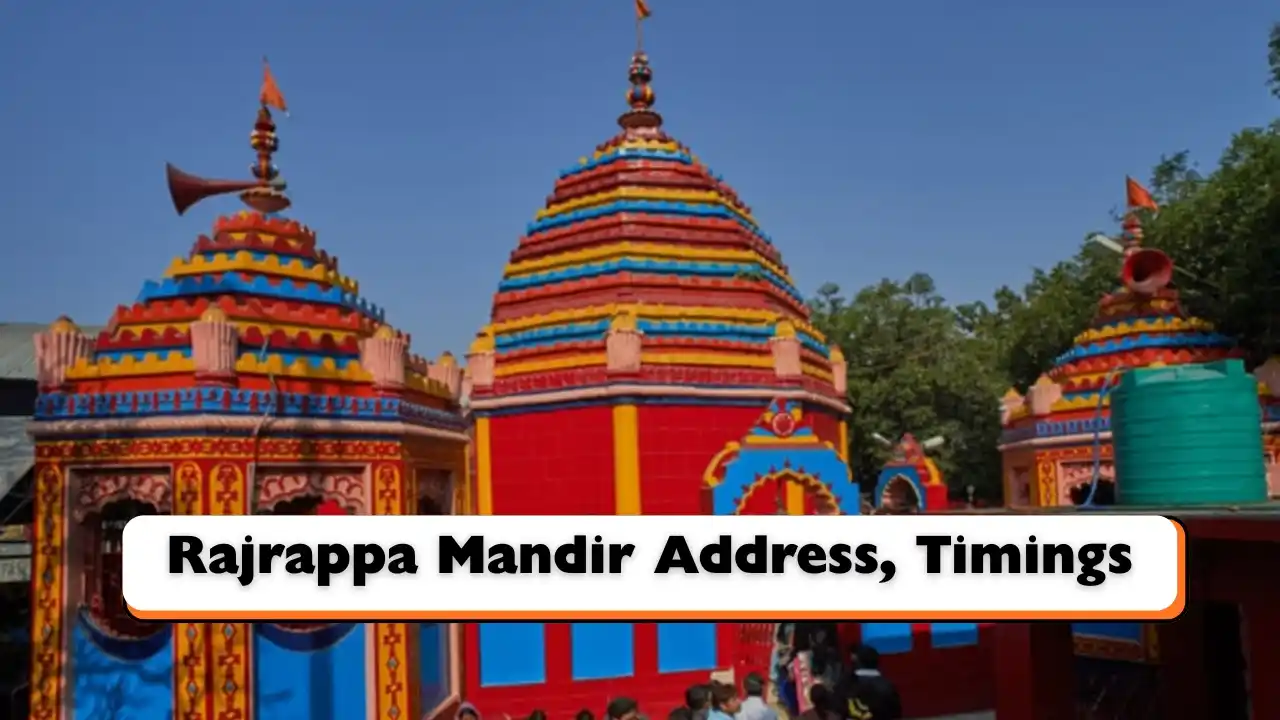
Nestled in the scenic hills and river valleys of Jharkhand, the Rajrappa Mandir, also known as the Chhinnamasta Temple, is one of the most sacred and mysterious temples in India. Dedicated to Goddess Chhinnamasta, a fierce form of Shakti, the temple attracts thousands of devotees and travelers every year.
Located at the divine confluence of the Bhairavi and Damodar Rivers, this ancient temple is not only a center of faith but also a beautiful example of nature’s harmony with spirituality. For anyone planning to visit, here is a complete and detailed guide with the address, timings, and entry information of Rajrappa Mandir.
Rajrappa Mandir Address
Temple Name: Rajrappa Mandir (Chhinnamasta Temple)
Location: Rajrappa Road, Rajrappa, Ramgarh District, Jharkhand – 829110
Distance from Ranchi: Approximately 78 kilometers
Distance from Bokaro: Approximately 65 kilometers
Nearest City: Ramgarh Cantonment (28 km)
The temple stands beautifully at the meeting point of the Bhairavi and Damodar Rivers, also known as the Rajrappa Sangam. This confluence is considered sacred, representing the divine union of Shiva and Shakti. The Bhairavi River flows from the south, symbolizing power and energy, while the Damodar River flows from the north, symbolizing calmness and peace.
The temple lies along National Highway 23 (NH-23), which connects Ramgarh to Bokaro, making it easily accessible by road from various parts of Jharkhand and neighboring Bihar.
Rajrappa Mandir Timings
The temple remains open every day of the week, welcoming devotees from early morning till late evening. However, timings may slightly vary between summer and winter seasons.
Summer Timings (March to September):
- Temple Opens: 4:00 AM
- Morning Aarti: 5:00 AM – 6:00 AM
- Evening Aarti: 6:30 PM – 7:30 PM
- Temple Closes: 10:00 PM
Winter Timings (October to February):
- Temple Opens: 5:00 AM
- Morning Aarti: 5:30 AM – 6:30 AM
- Evening Aarti: 6:00 PM – 7:00 PM
- Temple Closes: 9:00 PM
The morning aarti is considered highly auspicious, as the first rays of sunlight fall directly on the idol of Maa Chhinnamasta. Devotees who visit during this time describe the atmosphere as deeply spiritual and filled with divine energy.
The temple is busiest during Navratri, Durga Puja, and Chhath Puja, when thousands of devotees gather to offer prayers and witness the grand rituals.
Entry Information and Visitor Guidelines
1. Entry Fee:
- Free Entry: There is no entry fee to visit Rajrappa Mandir.
- Donations are voluntary and can be offered in the temple’s official donation boxes. Devotees often contribute for aarti, prasad, or maintenance of temple facilities.
2. Photography and Videography:
- Photography inside the main sanctum (Garbhagriha) is generally restricted as a mark of respect to the goddess.
- Visitors can freely capture photographs in the outer courtyard, the riverside, and the scenic surroundings.
3. Dress Code:
Visitors are encouraged to dress modestly and traditionally. Since this is a Shakti Peeth, devotees often wear simple attire, preferably in red or yellow, as these colors are associated with the goddess.
4. Offerings and Prasad:
Devotees can offer flowers, red cloth, coconuts, sweets, and sindoor to the goddess. The temple has a designated area for offerings and a counter to buy prasad.
5. Holy Bath (Snan):
Before entering the temple, many devotees take a holy dip at the river confluence (Sangam). It is believed that bathing here purifies the soul and prepares one for darshan.
6. Queue and Darshan System:
During regular days, the crowd is moderate and darshan is smooth. However, during festivals like Navratri, Kali Puja, or Amavasya, long queues form early in the morning. It is advisable to reach before sunrise for a peaceful experience.
7. Safety and Cleanliness:
The temple authorities and local administration maintain cleanliness in the area. Dustbins and shoe stands are available. Devotees are requested not to throw waste near the rivers.
Facilities for Devotees
- Prasad Counters: Available near the entrance.
- Shoe Stands: Provided outside the main temple gate.
- Drinking Water: Filtered water facilities for visitors.
- Washrooms: Clean restrooms are available near the parking area.
- Security: Local police and temple guards ensure safety, especially during peak seasons.
How to Reach Rajrappa Mandir
By Road:
Rajrappa Mandir is well connected by road through NH-23.
- From Ranchi: 78 km – 2 hours by car or bus
- From Bokaro: 65 km – 1.5 hours by road
- From Ramgarh: 28 km – 30 minutes
Regular buses and shared taxis operate from Ranchi, Bokaro, and Ramgarh to Rajrappa.
By Train:
The nearest railway station is Ramgarh Cantonment (RMT), located 28 km from the temple.
Other nearby stations include:
- Bokaro Steel City (67 km)
- Ranchi Junction (78 km)
- Hazaribagh Town (65 km)
From these stations, taxis and local transport are easily available.
By Air:
The nearest airport is Birsa Munda Airport, Ranchi (IXR) — about 80 km from Rajrappa Mandir.
Visitors can hire cabs or use shared vehicles from the airport to reach the temple in around 2 hours.
Accommodation Near Rajrappa Mandir
There are several options for devotees to stay near Rajrappa:
- Rajrappa Mandir Guest House – Simple, clean rooms managed by temple authorities.
- Jharkhand Tourism Guest House (Ramgarh) – 25 km away, offers government-run lodging with good facilities.
- Hotels in Ramgarh and Bokaro – For those seeking more comfort, several mid-range hotels are available.
It is recommended to book rooms in advance during festivals, as thousands of devotees visit at once.
Best Time to Visit Rajrappa Mandir
While the temple is open year-round, the best time to visit is between October and March. The weather is pleasant, the rivers are calm, and the surrounding scenery looks divine.
Major Festivals:
- Navratri (March–April & September–October)
- Durga Puja
- Kali Puja
- Chhath Puja
These are the most vibrant times to experience Rajrappa’s energy and devotion.
Devotees’ Experience – The Power of Maa Chhinnamasta
Visitors often describe their experience at Rajrappa as “otherworldly.” The temple’s location beside the rivers, the echoing chants of “Jai Maa Chhinnamasta,” and the serene natural beauty create an atmosphere that touches the soul.
Many devotees say that after taking a dip in the river and offering prayers, they feel a sense of calmness and strength — as if the goddess has personally blessed them.
Conclusion
The Rajrappa Mandir is not just a temple — it is a living energy center where faith and nature unite. Its sacred location, ancient rituals, and divine aura make it one of the most spiritually charged places in India.
Whether you are a devotee seeking blessings or a traveler in search of serenity, a visit to Rajrappa Mandir in Jharkhand promises to be an unforgettable journey into devotion and peace.