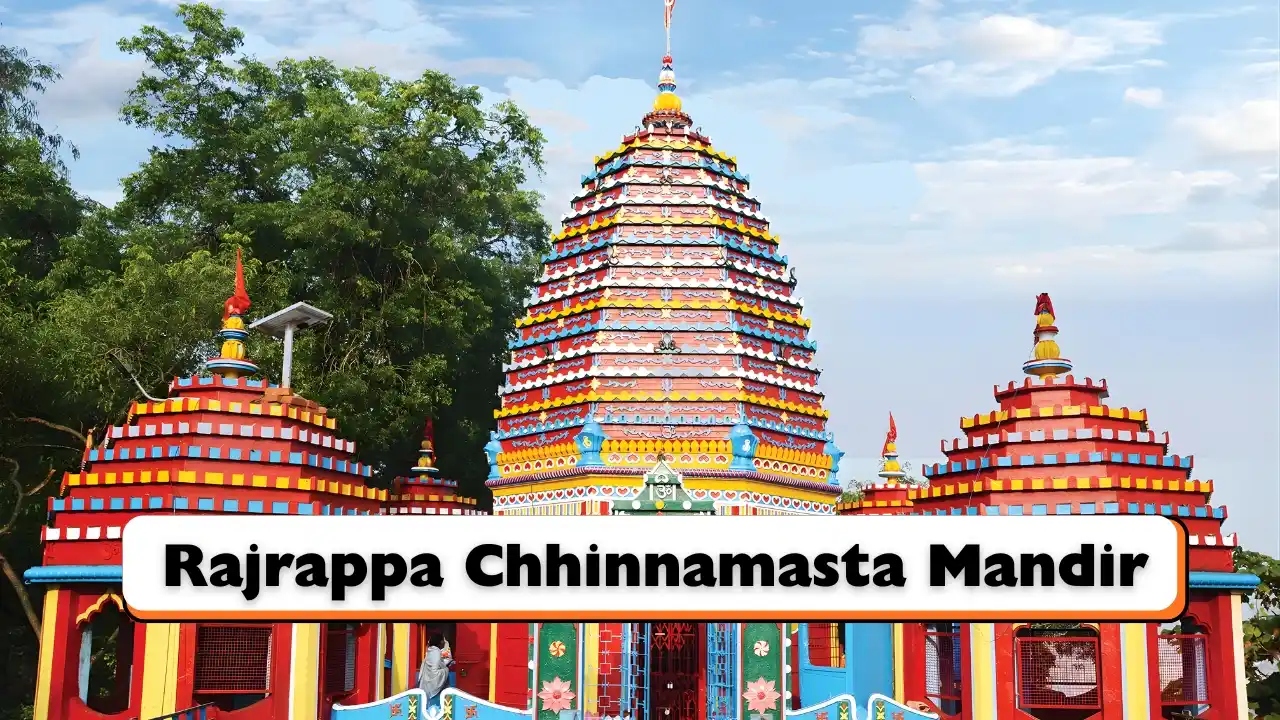
In the peaceful landscapes of Jharkhand, where rivers whisper ancient hymns and hills guard timeless secrets, stands one of India’s most powerful and mysterious temples — the Rajrappa Chhinnamasta Mandir. Located in the Ramgarh district, this temple is not just a place of worship; it is a sacred journey into the world of divine power, sacrifice, and transformation.
- 1The Sacred Home of Goddess Chhinnamasta
- 2The Mythological Story Behind Rajrappa Mandir
- 3The Meaning of Power and Sacrifice
- 4The Temple Architecture and Sacred Location
- 5Rituals and Worship at Rajrappa Mandir
- 6The Ancient Bali Tradition
- 7The Spiritual Significance of Rajrappa Mandir
- 8The Emotional Experience of Devotees
- 9Rajrappa Temple in Modern Times
- 10Conclusion – The Temple of Eternal Power and Sacrifice
Dedicated to Goddess Chhinnamasta, one of the ten Mahavidyas of Hindu Tantra, the Rajrappa Temple holds immense spiritual and mythological importance. Every corner of this temple, every chant that echoes through its walls, tells a story of courage, surrender, and awakening the story of the goddess who sacrificed herself to teach humanity the meaning of selflessness and enlightenment.
The Sacred Home of Goddess Chhinnamasta
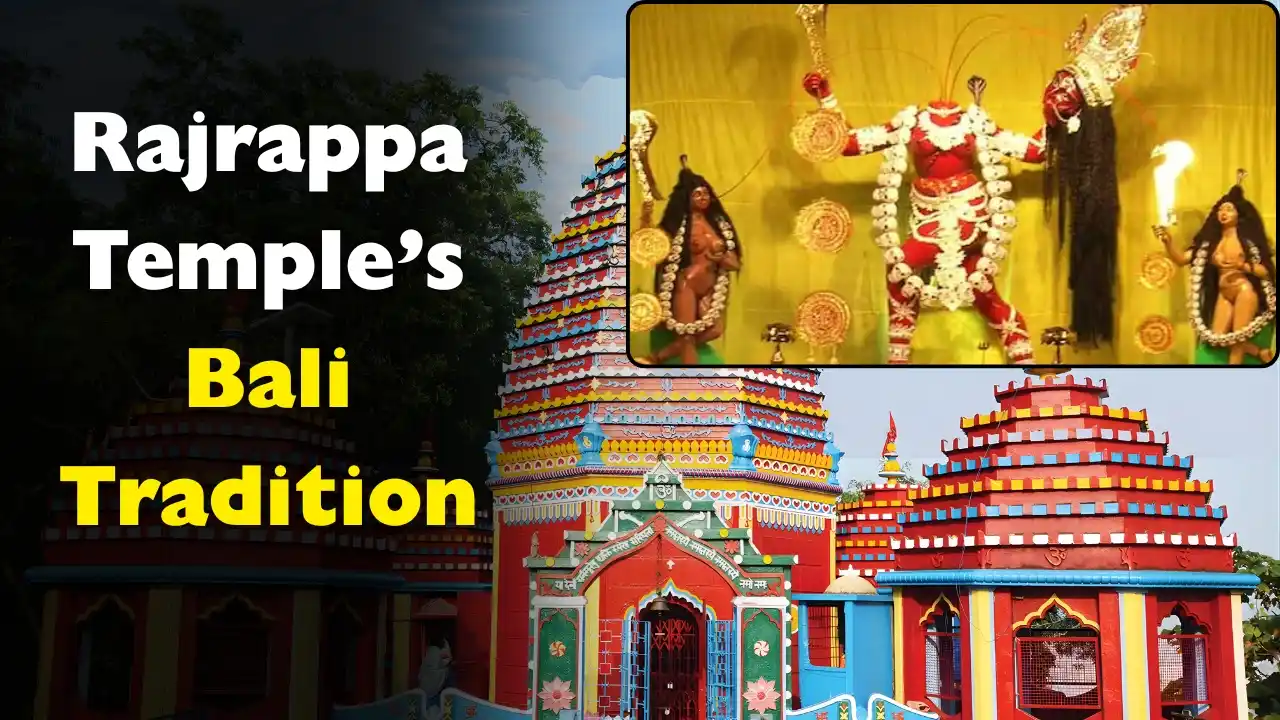
The Rajrappa Temple is dedicated to Maa Chhinnamasta, the self-decapitated form of Shakti, the divine feminine energy. In her unique and awe-inspiring form, the goddess stands holding her own severed head in one hand and a sword in the other. From her neck flow three streams of blood one into her own mouth and the other two into the mouths of her attendants, Dakini and Varnini.
At first glance, this image may seem terrifying, but its meaning is deeply spiritual. It represents self-sacrifice, control over desire, and the eternal cycle of life and death. Maa Chhinnamasta shows that true power comes not from domination but from surrender — from offering oneself completely for the welfare of others.
Her fierce yet compassionate energy flows throughout the temple, filling every devotee with strength, clarity, and devotion.
The Mythological Story Behind Rajrappa Mandir
The story of Rajrappa Mandir is rooted in the great legend of Sati and Shiva. When Sati, the first consort of Lord Shiva, immolated herself at her father Daksha’s Yajna, Shiva’s sorrow turned into uncontrollable anger. To calm him, Lord Vishnu used his Sudarshan Chakra to cut Sati’s body into fifty-one pieces, each of which fell in a different part of the Indian subcontinent. These places became known as the Shakti Peeths, or centers of divine feminine power.
It is believed that Sati’s head fell at Rajrappa, making it one of the holiest Shakti Peeths in India. The temple thus became a symbol of both grief and awakening — the point where death transformed into divine realization.
The Meaning of Power and Sacrifice
At the heart of Rajrappa Temple lies the dual message of power and sacrifice, beautifully represented by Maa Chhinnamasta’s form.
Her act of self-decapitation is not one of pain, but of purpose. It signifies the sacrifice of the ego, the greatest obstacle in spiritual growth. By cutting off her own head, the goddess teaches that one must let go of pride, selfishness, and attachment to realize the truth of existence.
This sacrifice gives rise to the ultimate power self-awareness. Her flowing blood nourishes her attendants, symbolizing how true strength is found in nourishing others, in sharing one’s blessings with the world.
Thus, the temple is not only a place of worship but a school of spiritual wisdom teaching that power without compassion is destructive, and sacrifice without purpose is meaningless.
The Temple Architecture and Sacred Location
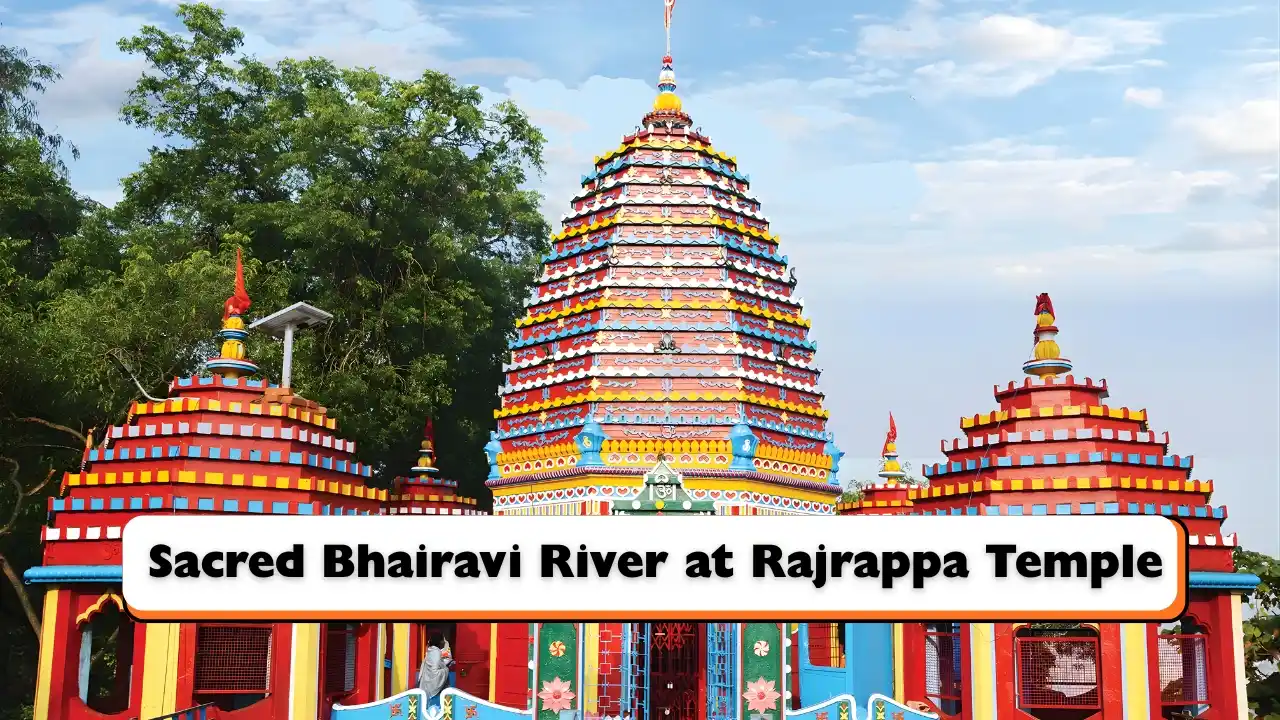
The Rajrappa Temple is situated at the sangam (confluence) of the Bhairavi and Damodar Rivers, a place considered extremely holy in Hinduism. This meeting of rivers is symbolic of the union of Shiva and Shakti, the two eternal forces that create and sustain the universe.
The temple itself is built in traditional North Indian architectural style with stone walls, red-tiled roofs, and intricate carvings depicting various forms of the goddess. The sanctum, where Maa Chhinnamasta resides, is small yet intensely powerful a space that radiates an indescribable energy.
Devotees enter the sanctum barefoot, carrying offerings of red flowers, coconuts, and vermilion. The sound of temple bells blends with the gentle murmur of the rivers, creating an atmosphere that feels timeless and divine.
Rituals and Worship at Rajrappa Mandir
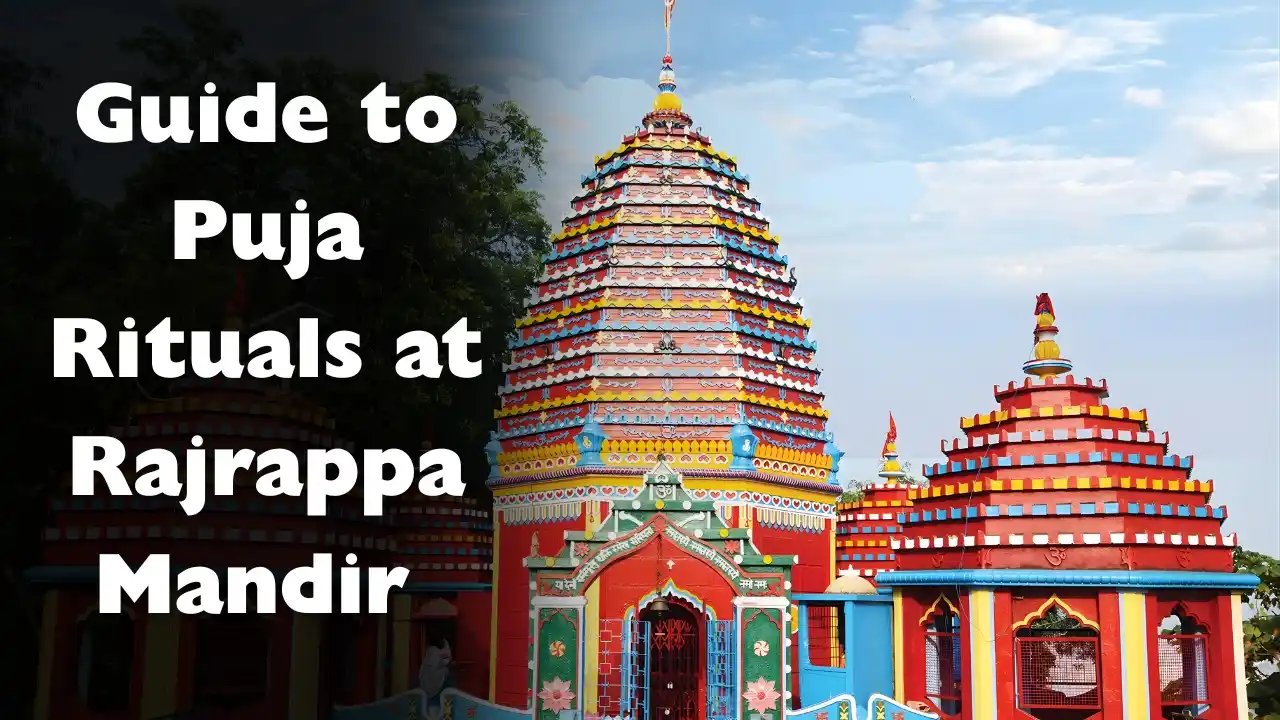
The rituals at Rajrappa Mandir follow the ancient Tantric tradition, focusing on energy, devotion, and surrender.
Daily Worship
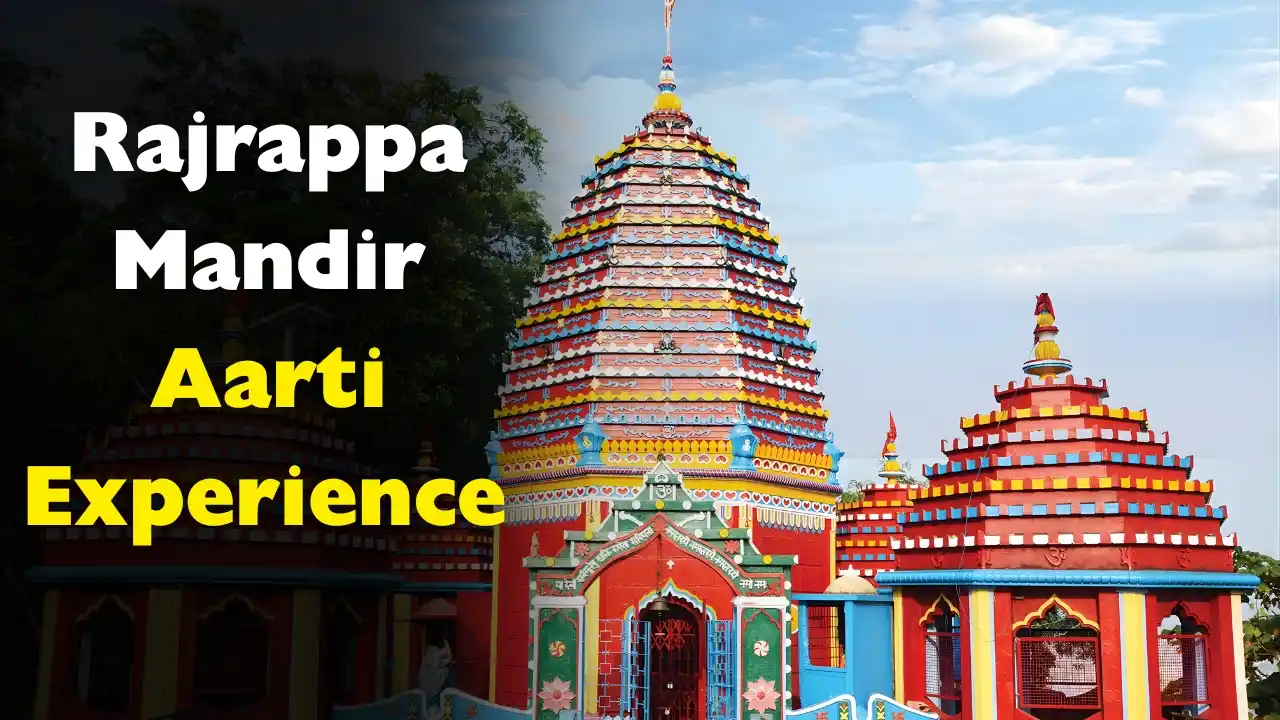
- Morning Aarti (Mangala Aarti): Held at dawn to awaken the goddess. Priests light lamps, ring bells, and chant mantras that fill the air with sacred vibrations.
- Shringar Puja: The idol is bathed and adorned with red garments, jewelry, and flowers. The goddess’s beauty symbolizes the purity of divine energy.
- Bhog Aarti: At noon, food is offered to the goddess. This Bhog later becomes Prasad, shared among devotees as a blessing.
- Evening Aarti (Sandhya Aarti): As dusk falls, the temple glows with hundreds of diyas, and the air fills with chants and the fragrance of incense. This is the most enchanting moment of the day.
During festivals like Navratri and Kali Puja, special rituals and yajnas are performed to honor the goddess. Devotees from across India visit to seek her blessings for protection, prosperity, and peace.
The Ancient Bali Tradition
Rajrappa Temple was once known for its Bali (sacrifice) tradition, where animals were offered to the goddess during major festivals. The ritual symbolized the surrender of one’s ego, anger, and desires rather than literal violence.
In modern times, however, the practice of animal sacrifice has largely been replaced with symbolic offerings such as coconuts, pumpkins, and red cloth. The temple now promotes compassion, peace, and devotion as the true forms of sacrifice.
This evolution reflects the timeless adaptability of faith — where traditions retain their essence while aligning with modern values of non-violence and purity.
The Spiritual Significance of Rajrappa Mandir
Every element of Rajrappa Mandir carries spiritual meaning:
- The Bhairavi River represents Shakti — flowing, dynamic energy.
- The Damodar River represents Shiva — calm, silent consciousness.
- Their confluence represents the union of energy and awareness, body and soul.
- The idol of Maa Chhinnamasta represents self-realization — cutting away the illusion of ego.
To stand at this temple is to feel these forces within oneself — the restless power of emotion and the still strength of awareness merging in harmony.
Devotees often describe feeling a magnetic pull here, as if the goddess herself calls them to let go of fear and embrace truth.
The Emotional Experience of Devotees
Visiting Rajrappa Chhinnamasta Mandir is not just a pilgrimage; it is an emotional journey. Many devotees say that the moment they enter the temple, they feel a deep vibration in their hearts — a mix of awe, devotion, and peace.
Some come seeking blessings for success or health, while others come simply to find solace in her divine presence. Standing before Maa Chhinnamasta’s idol, many are moved to tears. The sight of her fierce form and loving eyes reminds them that true power lies in surrender.
The sound of the Aarti, the fragrance of burning camphor, and the touch of holy river water together create an experience that feels otherworldly — as if the goddess is silently whispering her blessings into every soul.
Rajrappa Temple in Modern Times
Today, Rajrappa Temple continues to draw thousands of visitors from across India and beyond. The temple has become not only a center of devotion but also of cultural heritage and tourism.
The surrounding area has guest houses, small eateries, and local markets selling religious items and crafts. Yet, despite modernization, the temple has preserved its spiritual purity and ancient traditions.
Priests still perform the rituals as they were done centuries ago, maintaining the connection between modern devotees and ancient faith.
Conclusion – The Temple of Eternal Power and Sacrifice
The Rajrappa Chhinnamasta Mandir stands as a symbol of both divine power and sacred sacrifice a place where faith and philosophy meet. It teaches that power is not about control but about surrender; that sacrifice is not about loss but about awakening.
When you stand at the confluence of the Bhairavi and Damodar rivers, with the chants of “Jai Maa Chhinnamasta” echoing through the air, you can feel her presence — strong, fearless, and compassionate.
The temple reminds every soul that within us lies the same divine energy — waiting to awaken, waiting to transform us through love, devotion, and self-awareness.