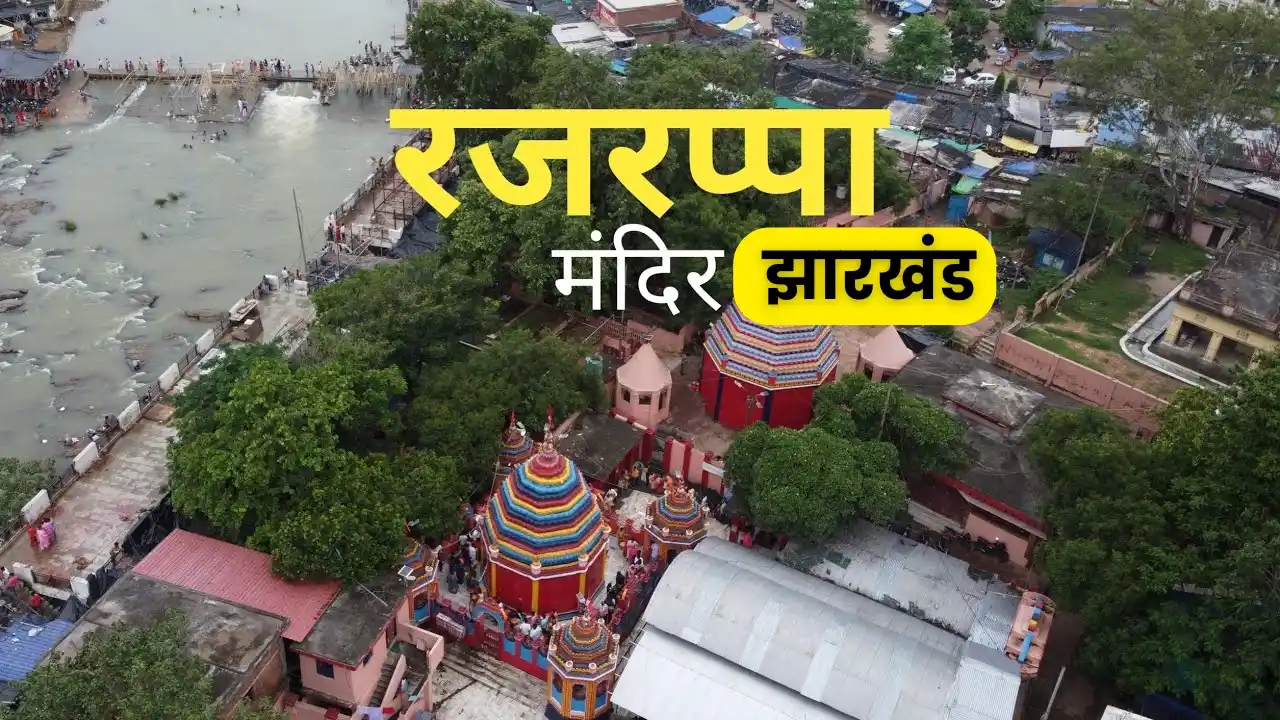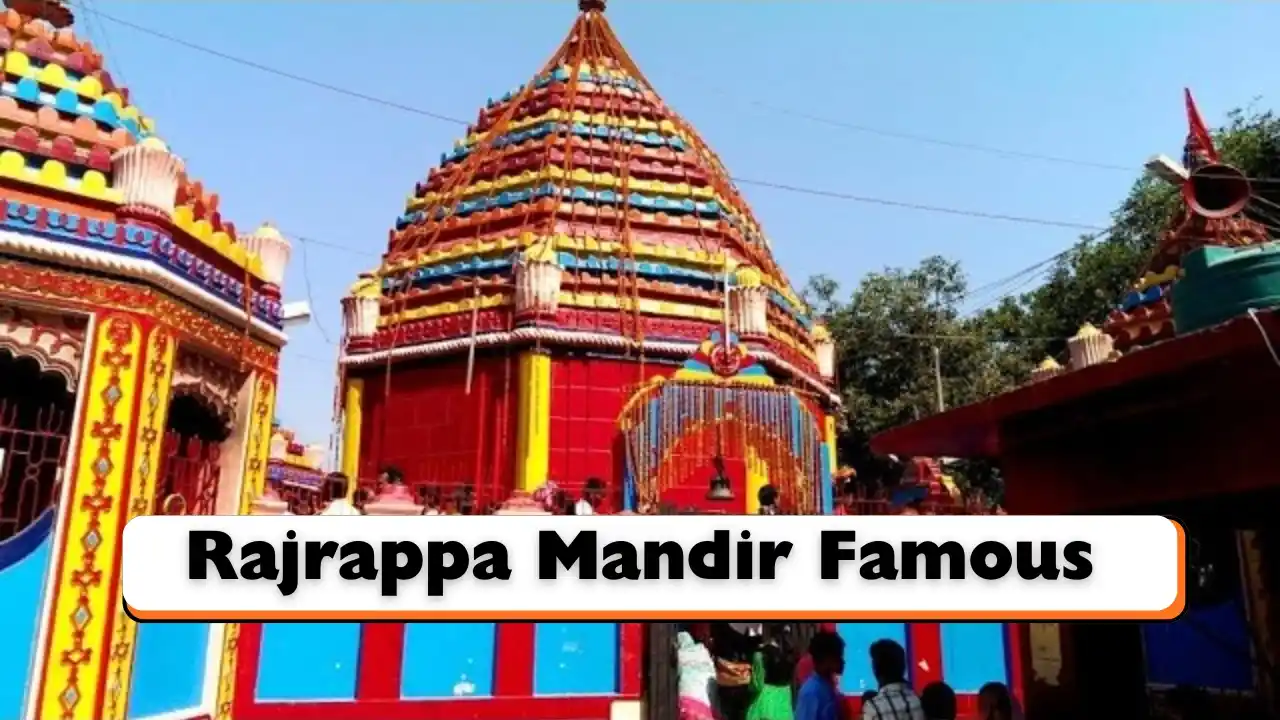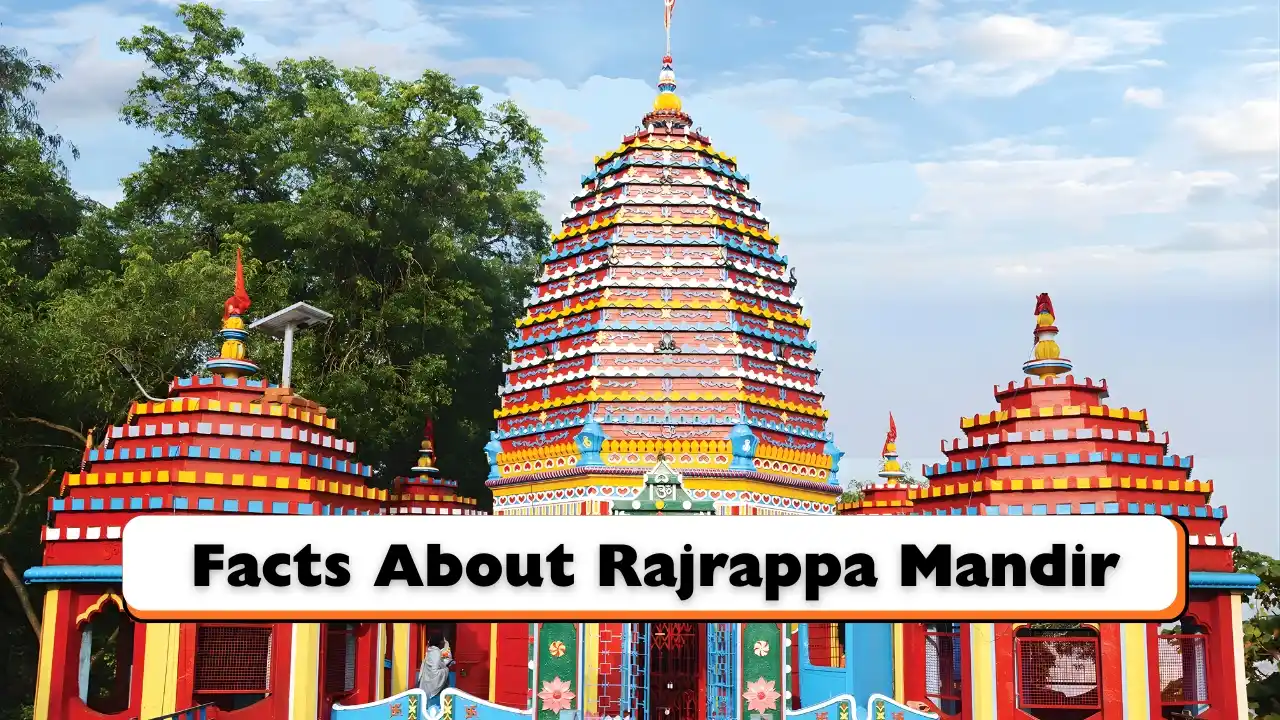
In the peaceful hills of Jharkhand, where nature whispers stories of the divine and rivers sing songs of devotion, stands one of India’s most mystical temples — the Rajrappa Mandir. Dedicated to Goddess Chhinnamasta, this temple is not just a place of worship but a gateway to spiritual mystery, faith, and wonder. Every stone of Rajrappa, every sound of the river, and every ritual performed here seems to hold secrets older than time itself.
- 11. The Temple of the Beheaded Goddess
- 22. A Shakti Peeth – Where the Head of Goddess Sati Fell
- 33. The Meeting of Two Sacred Rivers — Bhairavi and Damodar
- 44. The Temple’s Age Is Still a Mystery
- 55. The Idol Is Self-Manifested (Swayambhu)
- 66. A Center of Ancient Tantric Practices
- 77. The Mysterious Sound of the Rivers
- 88. The Temple Without a Grand Entrance or Tower
- 99. Miraculous Experiences of Devotees
- 1010. The Never-Drying Lamp
- 1111. The Temple and Its Connection with Nature
- 1212. The Hidden Symbolism of Goddess Chhinnamasta
- 13Conclusion: The Divine Mystery That Lives On
Thousands of devotees visit Rajrappa each year, drawn by stories of its miraculous powers, hidden legends, and mysterious energy. Let’s uncover some of the most fascinating and little-known facts about Rajrappa Mandir that will leave you truly amazed.
1. The Temple of the Beheaded Goddess
One of the most striking and mysterious aspects of Rajrappa Mandir is its deity — Goddess Chhinnamasta, a form of Shakti that is rarely seen in Indian temples. The name “Chhinnamasta” means “the beheaded one.”
In her idol form, the goddess stands on the bodies of Kama (desire) and Rati (pleasure) while holding her own severed head in one hand and a sword in the other. Three streams of blood flow from her neck — one entering her own mouth and the other two feeding her attendants, Jaya and Vijaya.
Though her image may appear fierce, it represents sacrifice, self-control, and spiritual awakening. The mystery lies in how such a terrifying form radiates peace and power at the same time. It teaches that true divinity transcends beauty and fear — it is pure energy, beyond form.
2. A Shakti Peeth – Where the Head of Goddess Sati Fell
Rajrappa Mandir is believed to be one of the 51 Shakti Peeths in India, the sacred sites where parts of Goddess Sati’s body fell when Lord Vishnu used his Sudarshan Chakra to stop Lord Shiva’s grief-driven dance of destruction.
It is said that at Rajrappa, the head (mastak) of Goddess Sati fell, which is why the goddess is worshipped here in her beheaded form — Chhinnamasta. This ancient myth connects Rajrappa directly to the divine cycle of creation and destruction, making it one of the most spiritually charged places in the country.
Even today, devotees believe that the energy of Sati’s head continues to flow through the temple, filling the place with extraordinary power and grace.
3. The Meeting of Two Sacred Rivers — Bhairavi and Damodar
Another mysterious wonder of Rajrappa Mandir is its location at the confluence (sangam) of the Bhairavi and Damodar Rivers. This meeting point is believed to represent the eternal union of Shiva and Shakti — the balance between masculine calmness and feminine energy.
The Bhairavi River, fierce and untamed, flows from the south, while the gentle Damodar River flows from the north. Their union symbolizes the merging of energy and consciousness, which lies at the core of all creation.
What amazes geologists and devotees alike is the unusual behavior of the rivers — the Bhairavi River flows into the Damodar at an angle opposite to the natural flow direction, something rarely seen in nature. Locals believe this is the goddess’s divine design, a symbol of her strength against natural law.
4. The Temple’s Age Is Still a Mystery
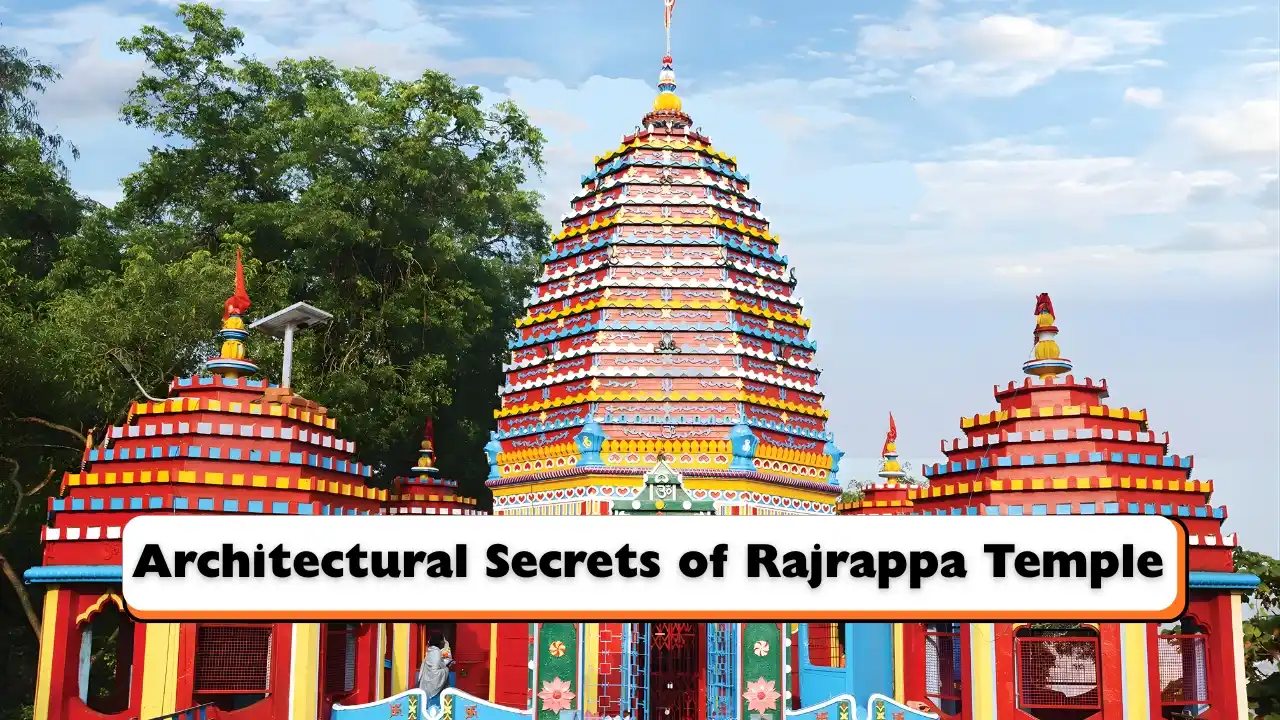
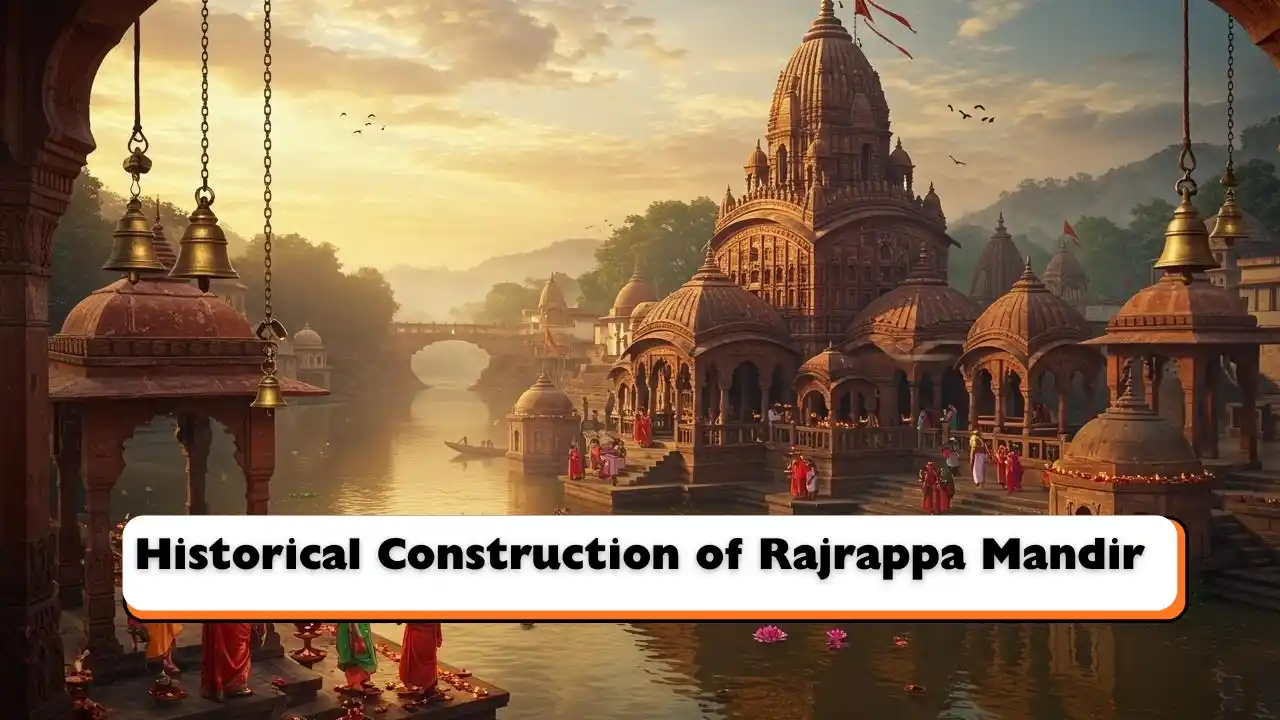
No one knows exactly when Rajrappa Mandir was built or who built it. Historians estimate that it could date back to the 8th–12th century AD, during the height of Tantric worship in eastern India.
The temple’s architecture resembles the Tantric style of design found in ancient shrines like Kamakhya Temple in Assam. But there are no inscriptions, written records, or royal documents that reveal its true age. This lack of historical evidence adds to its mystery — as if the temple simply emerged from the earth, built by divine hands rather than human ones.
5. The Idol Is Self-Manifested (Swayambhu)
Unlike most temples where idols are sculpted by artisans, the idol of Maa Chhinnamasta at Rajrappa is believed to be self-manifested, or Swayambhu. Devotees say the goddess revealed herself at this spot thousands of years ago.
The idol, made of natural black stone, stands with astonishing balance and detail, as if carved by unseen forces. The area around the sanctum radiates such powerful energy that devotees often describe feeling goosebumps or tears while praying there.
6. A Center of Ancient Tantric Practices
Rajrappa Mandir has long been known as a Tantric center of power. Followers of Shaktism and Tantra consider this place sacred for awakening Kundalini energy, the spiritual power said to lie dormant within every person.
During full moon (Purnima) and new moon (Amavasya) nights, Tantric practitioners come here to perform secret rituals and meditation. It is believed that the energy of the temple helps them reach higher states of consciousness and spiritual awakening.
Even today, the temple’s design — with its hidden chambers, symbolic carvings, and the dark sanctum — reflects Tantric architecture that focuses on channeling divine energy.
7. The Mysterious Sound of the Rivers
Devotees often say that at certain times of day, especially during dawn and dusk, one can hear the rivers Bhairavi and Damodar “chanting” together. The gentle roar of the water sounds rhythmic and harmonious, almost like a mantra being recited by nature itself.
According to believers, this is the voice of the goddess, expressing her eternal presence through the flow of the rivers. This natural phenomenon adds a layer of magic and mystery to the already powerful atmosphere of Rajrappa.
8. The Temple Without a Grand Entrance or Tower
Unlike most Hindu temples that have tall shikharas (spires) and elaborate entrances, Rajrappa Temple is modest in structure. It lacks a grand gate, huge sculptures, or golden decorations. Instead, it has a small, humble shrine built with stones and bricks.
This simplicity is not accidental. According to ancient belief, the goddess who represents renunciation and self-sacrifice chose a temple that mirrors her nature — simple, grounded, and full of spiritual energy rather than material grandeur.
9. Miraculous Experiences of Devotees
Over the centuries, devotees have shared countless stories of miracles experienced at Rajrappa Mandir. Some claim to have found relief from serious illnesses, while others say their long-held wishes came true after praying to Maa Chhinnamasta.
There are stories of childless couples being blessed with children, of lost travelers finding their way after praying at the temple, and of people who found peace after years of emotional struggle.
Such experiences are what keep the faith alive — it is not just belief, but a living relationship between the goddess and her devotees.
10. The Never-Drying Lamp
Inside the sanctum of Rajrappa Mandir burns an eternal lamp (Akhand Jyoti) that is said to have never gone out. The flame, believed to represent the goddess’s eternal energy, continues to burn day and night, unaffected by wind or weather.
The priests ensure that the lamp’s flame is kept alive with pure ghee, and devotees see it as a symbol of hope, purity, and protection. It is said that as long as this lamp burns, the blessings of Maa Chhinnamasta will never leave the temple.
11. The Temple and Its Connection with Nature
The architecture of Rajrappa Temple is deeply connected to its surroundings. Built near the riverbanks, the temple uses the natural flow of water as part of its spiritual energy design. The sound of the rivers constantly echoes in the temple, creating a serene background for meditation and prayer.
Many spiritual seekers believe that Rajrappa is located on an energy vortex, a natural point where the Earth’s energy is particularly strong. This is why people often feel rejuvenated or spiritually awakened after visiting.
12. The Hidden Symbolism of Goddess Chhinnamasta
The biggest mystery of Rajrappa Mandir lies not in its walls or rituals, but in the meaning of its deity. The goddess who holds her own severed head is not an image of fear but of transformation and freedom.
She teaches that life and death are not opposites — they are parts of one continuous cycle. She reminds her devotees to cut away the ego, surrender their desires, and rise above the illusions of the world.
This profound message is what makes Rajrappa so special — it is a temple of awakening, not just worship.
Conclusion: The Divine Mystery That Lives On
Rajrappa Mandir is a place where faith meets mystery, where the unseen becomes felt, and where every visit feels like a spiritual rebirth. Its history may be unclear, its construction unknown, but its divine presence is undeniable.
The mysterious facts — from the self-manifested idol to the singing rivers and timeless lamp — make this temple a living miracle. But perhaps the greatest mystery of all is how a place so simple can hold such immense power.
Standing at the banks of the Bhairavi River, feeling the cool wind and hearing the temple bells, one realizes that Rajrappa is not just a temple — it is a living heartbeat of divine energy, a reminder that faith itself is the greatest mystery of all.