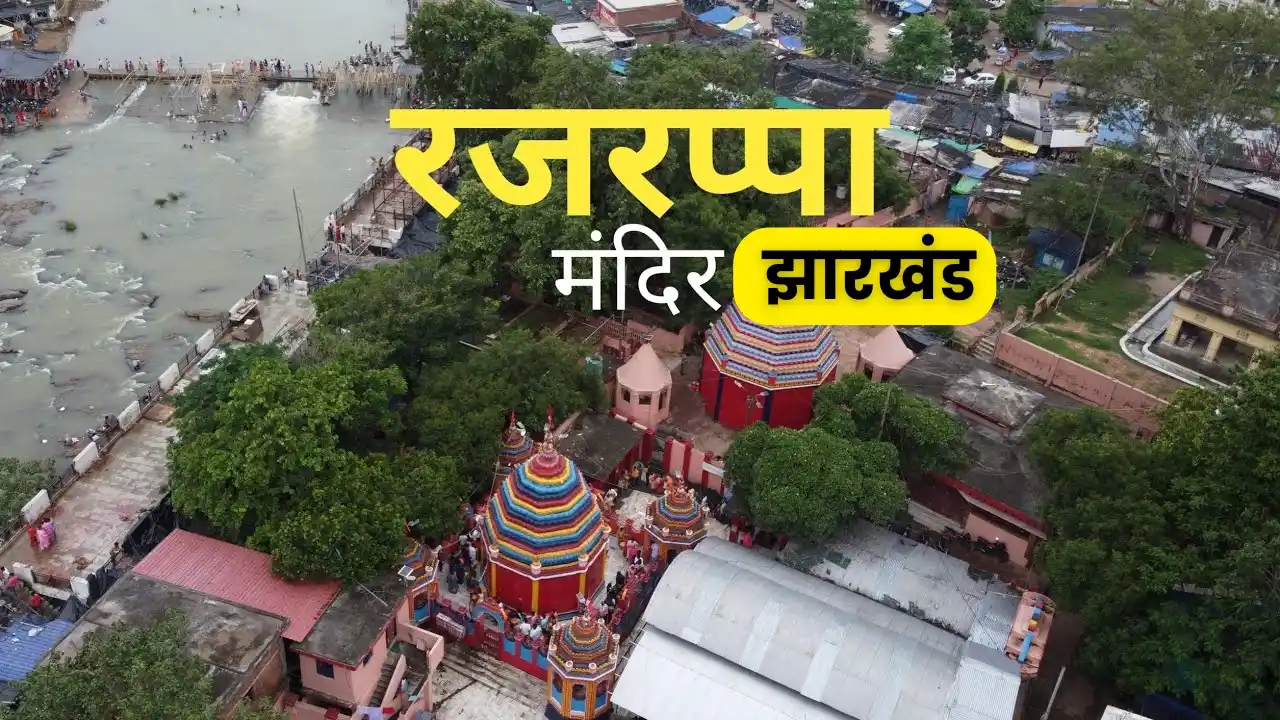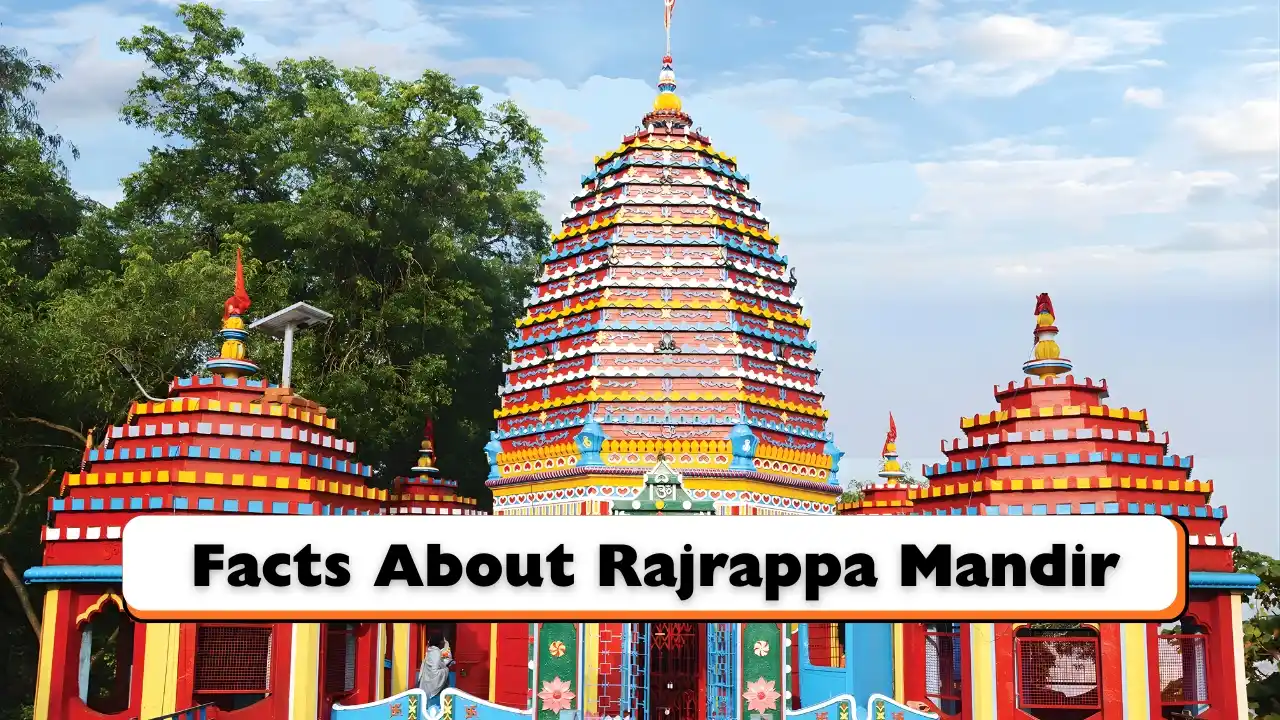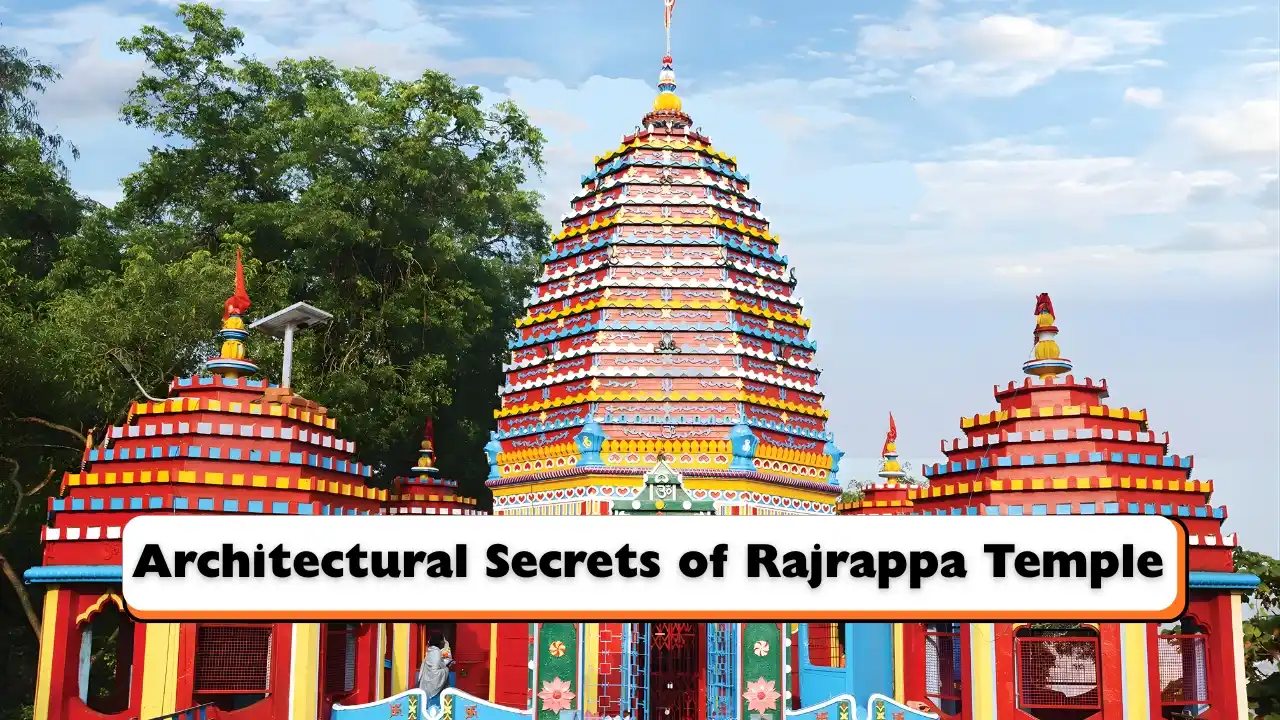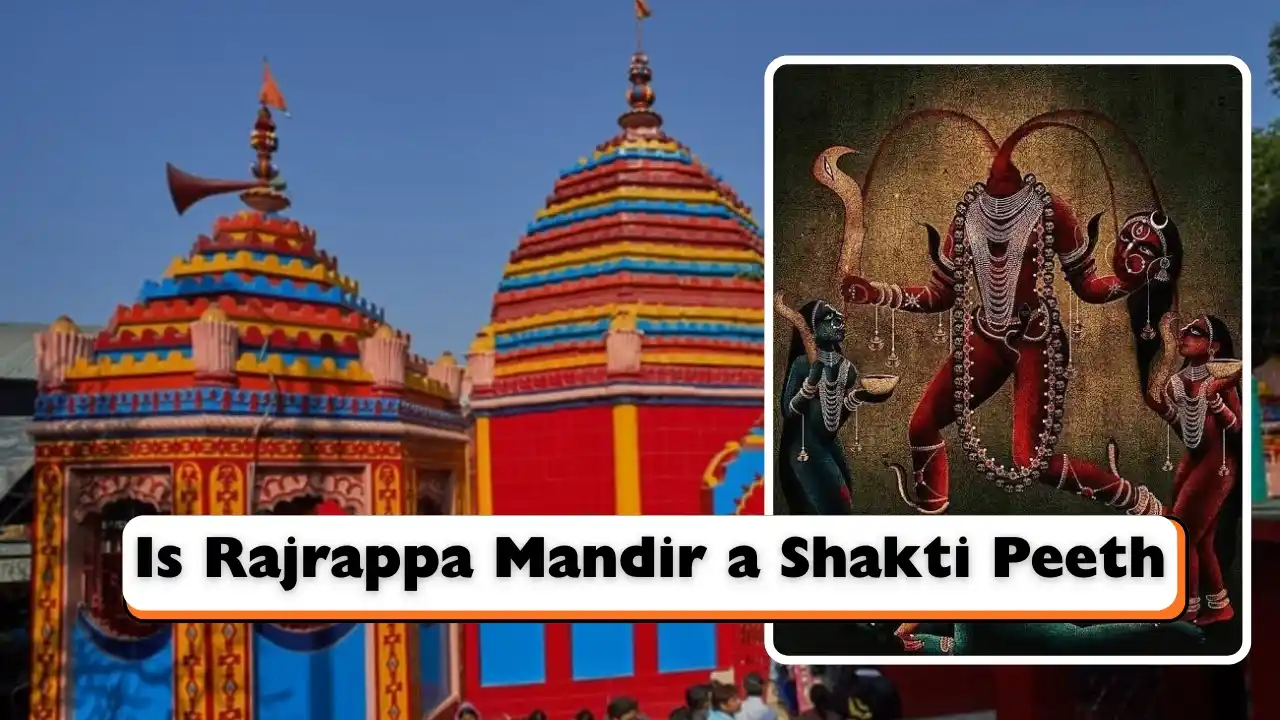
In the heart of Jharkhand, surrounded by green hills, flowing rivers, and divine energy, lies the Rajrappa Mandir, one of the most mysterious and sacred temples of India. Known for its powerful deity, Goddess Chhinnamasta, this temple attracts thousands of devotees every year. Many believe that Rajrappa is not just a temple — it is a Shakti Peeth, a place where the divine power of Goddess Sati still resides.
- 1What Is a Shakti Peeth?
- 2The Legend Behind the Creation of Shakti Peeths
- 3Rajrappa Mandir and Its Connection to Goddess Sati
- 4The Divine Energy of Rajrappa Mandir
- 5Why Devotees Believe Rajrappa Is a Shakti Peeth
- 6Spiritual Meaning of Rajrappa as a Shakti Peeth
- 7Rituals and Festivals Celebrated Here
- 8The Experience of Devotees
- 9Conclusion: The Eternal Power of Rajrappa Mandir
But what is the truth behind this belief? Why is Rajrappa considered a Shakti Peeth, and what makes it so spiritually important? Let’s uncover the mystery and divine truth behind this ancient temple.
What Is a Shakti Peeth?
In Hindu mythology, the universe is balanced by two energies — Shiva (the divine masculine) and Shakti (the divine feminine). Shakti is the life-giving power, the source of creation, destruction, and transformation.
A Shakti Peeth is a sacred place where parts of Goddess Sati’s body are believed to have fallen when Lord Vishnu used his Sudarshan Chakra to cut her body into pieces. Each of these places became a center of divine feminine energy and is worshipped as a seat of Goddess Shakti in different forms.
According to the Devi Bhagavata Purana, there are 51 Shakti Peethas across India and neighboring countries, each holding immense spiritual importance.
The Legend Behind the Creation of Shakti Peeths
The story of Shakti Peeths begins with Goddess Sati, the daughter of King Daksha and the beloved wife of Lord Shiva. Once, King Daksha organized a grand yagna (sacred fire ritual) but did not invite Lord Shiva or Sati because of his arrogance and disapproval of their marriage.
Despite not being invited, Sati decided to attend the yagna, hoping her father would accept her and Shiva. But when she arrived, Daksha insulted Lord Shiva in front of everyone. Unable to bear the insult of her divine husband, Sati, in deep grief, immolated herself in the fire of the yagna.
When Lord Shiva heard of Sati’s death, he was filled with unbearable sorrow and anger. Carrying her burnt body on his shoulders, he began his Tandava (cosmic dance of destruction), threatening to destroy the entire universe.
To calm him and restore balance, Lord Vishnu used his Sudarshan Chakra to cut Sati’s body into several pieces. Each part that fell on Earth became a Shakti Peeth, where the goddess is worshipped in different forms of divine power.
Rajrappa Mandir and Its Connection to Goddess Sati
It is believed that at Rajrappa, the head (Mukh or Mastak) of Goddess Sati fell. That is why this place is known as Chhinnamasta Dham, the abode of the self-decapitated goddess.
The name Chhinnamasta itself means “the beheaded one.” In this temple, the goddess is depicted as a fierce form of Shakti, holding her own severed head in her hand, with streams of blood feeding her attendants. Though her form looks frightening, it represents the power of sacrifice, transformation, and self-control.
Because Sati’s head is believed to have fallen here, Rajrappa Mandir is recognized by many devotees as a Shakti Peeth, making it one of the most powerful centers of feminine energy in India.
The Divine Energy of Rajrappa Mandir
People who visit Rajrappa Mandir often describe it as an experience beyond words. The temple stands at the sangam (confluence) of two holy rivers — Bhairavi and Damodar. The Bhairavi River, named after another fierce form of Shakti, flows from the south and merges with the calm Damodar River coming from the north.
This union of two rivers is symbolic — it represents the balance of Shakti (feminine energy) and Shiva (masculine energy). The location itself radiates a powerful vibration that devotees can feel the moment they step into the temple area.
It is said that Rajrappa Mandir’s spiritual energy never diminishes, and those who pray here with a pure heart always receive blessings from Maa Chhinnamasta.
Why Devotees Believe Rajrappa Is a Shakti Peeth
The belief that Rajrappa is a Shakti Peeth comes from both mythology and experience.
- Mythological Evidence:
According to ancient scriptures, the head of Sati fell at this location, making it one of the 51 Shakti Peeths. The form of the goddess here — Chhinnamasta — directly connects to that belief. - Divine Experiences of Devotees:
Pilgrims often share that when they visit Rajrappa Mandir, they feel a strong spiritual force — an energy that gives them strength and peace. Many claim their wishes come true after praying to the goddess here. - Sacred Rituals and Tantric Significance:
Rajrappa Mandir is also known for its Tantric practices, especially during full moon nights and Navratri. It is said that the temple’s energy helps in spiritual awakening and purification of the soul. - Unique Representation of the Goddess:
The idol of Chhinnamasta — standing on Kama and Rati — shows control over desire and symbolizes the deeper essence of divine energy. Such representation is rare and found mostly in Shakti Peeth temples.
Spiritual Meaning of Rajrappa as a Shakti Peeth
Being a Shakti Peeth means that Rajrappa Mandir is not just a place of worship — it is a living energy field. The goddess here represents:
- Creation and Destruction: She creates life and takes it back when time demands.
- Sacrifice and Selflessness: Her self-decapitation shows that divinity exists beyond ego.
- Control Over Desire: By standing over Kama and Rati, she teaches mastery over worldly attachments.
- Transformation: She represents the cycle of life, death, and rebirth — the eternal flow of energy.
For devotees, visiting Rajrappa is like awakening their inner Shakti — the power to face challenges, transform pain into strength, and live with purpose and clarity.
Rituals and Festivals Celebrated Here
Rajrappa Mandir comes alive during major festivals, especially Navratri and Durga Puja. Thousands of devotees gather to offer prayers, light diyas, and participate in special aartis.
In earlier times, animal sacrifices (bali) were performed as part of the rituals, but today most devotees offer coconuts, red cloth, and sweets to symbolize surrender and devotion. The temple also conducts Tantric pujas on auspicious nights, which are said to harness the goddess’s energy for protection and blessings.
The most sacred part of visiting Rajrappa is taking a holy dip at the river confluence before entering the temple. It is believed that doing so purifies the body and mind, making one ready to receive the goddess’s grace.
The Experience of Devotees
Every person who visits Rajrappa has a story to tell. Some come seeking peace, others come to express gratitude, and many come simply to experience the divine presence. The temple’s surroundings — the sound of flowing rivers, the ringing bells, and the chanting of “Jai Maa Chhinnamasta” — create an atmosphere of devotion that touches every soul.
People say that once you bow before the goddess at Rajrappa, you feel a sense of lightness, as if a burden has been lifted. It is this personal experience of peace and strength that makes devotees believe deeply that Rajrappa is indeed a true Shakti Peeth.
Conclusion: The Eternal Power of Rajrappa Mandir
So, is Rajrappa Mandir a Shakti Peeth? For devotees, the answer is not found in ancient texts alone — it is felt in the heart. The temple’s energy, history, and the fierce yet compassionate form of Goddess Chhinnamasta all point to one truth — this is indeed a sacred seat of divine power.
Rajrappa Mandir reminds us that Shakti is everywhere — in nature, in our hearts, and in the universe. The goddess teaches us courage, surrender, and the balance of life and death. Standing at the confluence of two sacred rivers, the temple continues to radiate the power of transformation, reminding us that the divine is not distant — it lives within and around us.