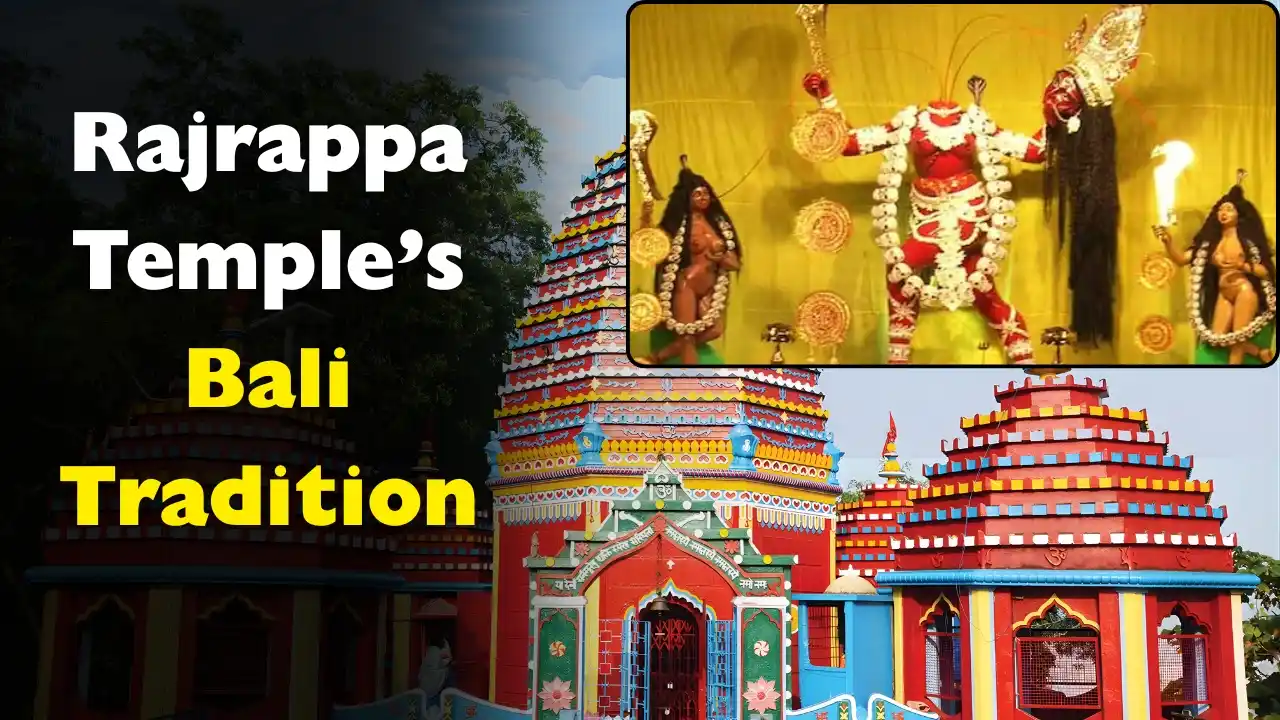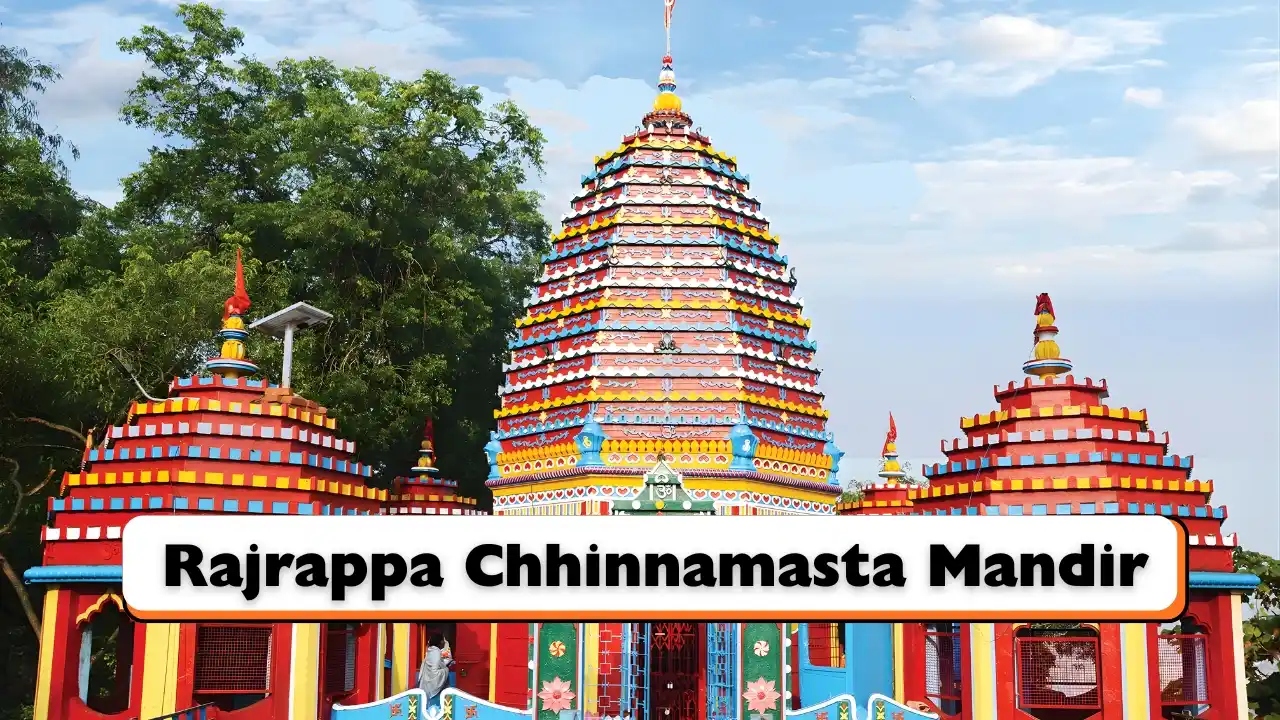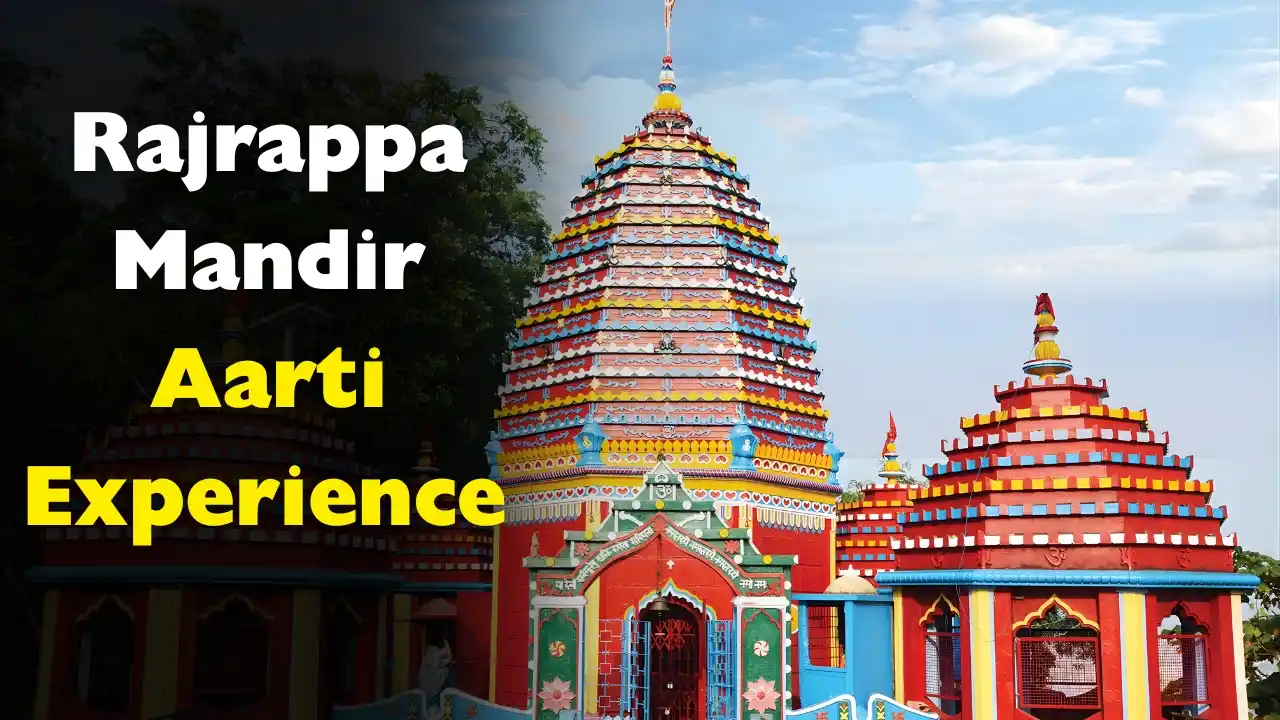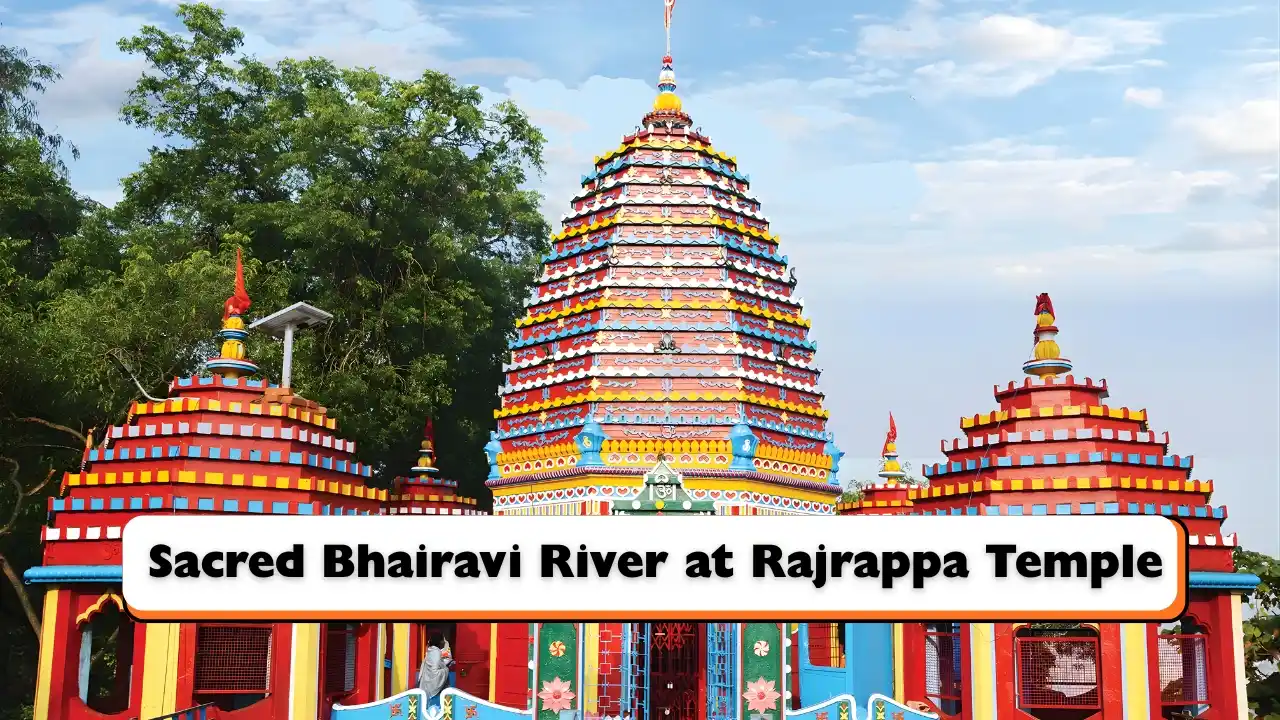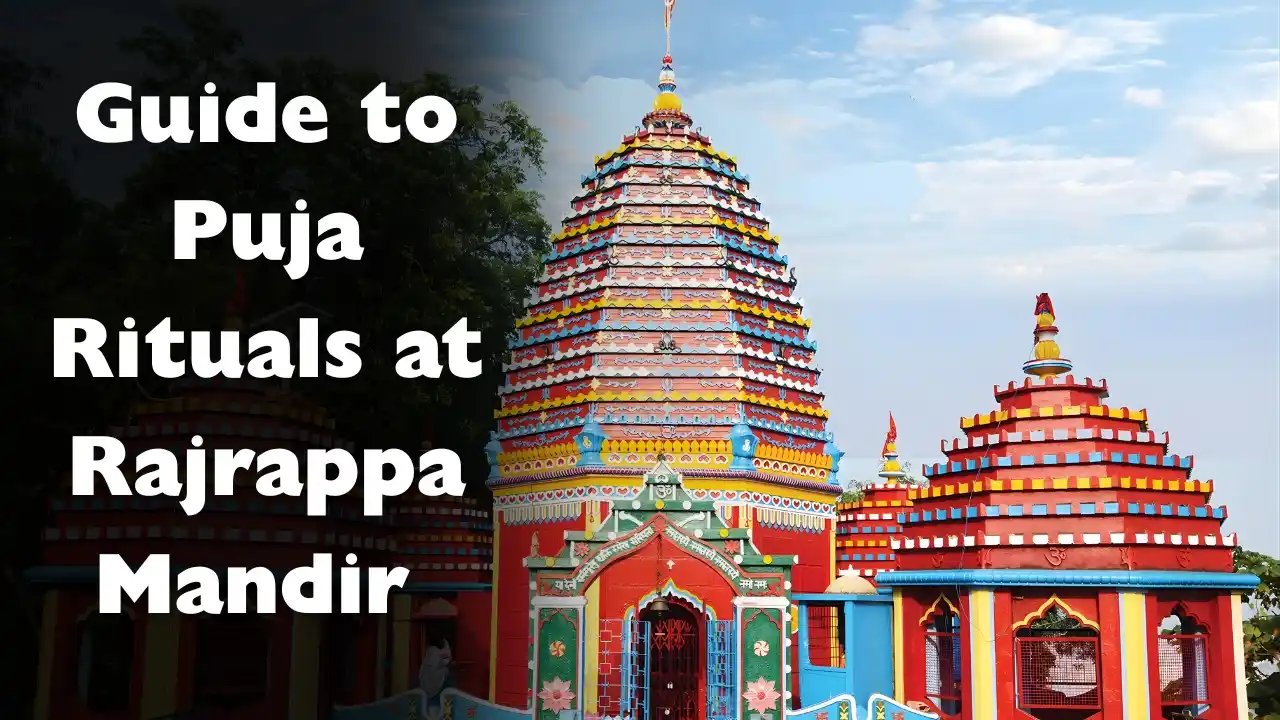
Deep within the peaceful forests and flowing rivers of Jharkhand lies a temple that radiates divine energy — the Rajrappa Mandir, dedicated to Goddess Chhinnamasta, the self-decapitated form of Shakti. Located in the Ramgarh district, this ancient shrine stands where the Bhairavi and Damodar Rivers meet, symbolizing the powerful union of energy (Shakti) and consciousness (Shiva).
- 1The Divine Essence of Rajrappa Mandir
- 2Daily Puja Timings at Rajrappa Mandir
- 31. Mangala Aarti – The Morning Blessing
- 42. Shringar Puja – Adorning the Goddess
- 53. Bhog Aarti – The Offering of Gratitude
- 64. Sandhya Aarti – The Evening Glow of Devotion
- 75. Shayan Aarti – The Night Ritual of Rest
- 8Other Important Rituals at Rajrappa Mandir
- 9Offerings and Prasad
- 10The Devotional Experience – Beyond Rituals
- 11Conclusion – A Journey into Divine Discipline and Grace
Every day, thousands of devotees visit Rajrappa Mandir to offer prayers, perform rituals, and experience the pure vibration of Maa Chhinnamasta’s presence. The temple’s puja rituals are deeply rooted in ancient traditions and carry spiritual significance that connects devotees directly to the goddess’s energy.
If you are planning a visit or wish to understand the sacred customs performed here, this is your complete guide to the puja rituals at Rajrappa Mandir, written in a simple, emotional, and spiritual tone.
The Divine Essence of Rajrappa Mandir
Rajrappa Mandir is one of India’s most powerful Shakti Peeths, believed to be the spot where the head of Goddess Sati fell when Lord Vishnu’s Sudarshan Chakra divided her body to calm Lord Shiva’s grief. Because of this, the temple carries the divine vibration of the Mother Goddess’s energy — fierce, protective, and full of love.
The presiding deity, Maa Chhinnamasta, is one of the ten Mahavidyas in Hindu Tantra. Her unique form — holding her severed head while streams of blood nourish herself and her attendants — symbolizes sacrifice, transformation, and self-realization.
All the rituals performed here reflect her teachings — that spiritual awakening requires surrender and devotion.
Daily Puja Timings at Rajrappa Mandir
The temple follows a strict and sacred daily schedule. The rituals begin before sunrise and continue till late evening. The timings slightly vary during summer and winter, but the general schedule remains the same.
Summer Timings (March to September):
- Temple Opens: 4:00 AM
- Morning Aarti (Mangala Aarti): 5:00 AM – 6:00 AM
- Shringar Puja: 6:00 AM – 8:00 AM
- Bhog Aarti (Midday Offering): 12:00 PM – 12:30 PM
- Evening Aarti (Sandhya Aarti): 6:30 PM – 7:30 PM
- Shayan Aarti (Night Ritual): 9:00 PM – 9:30 PM
- Temple Closes: 10:00 PM
Winter Timings (October to February):
- Temple Opens: 5:00 AM
- Morning Aarti: 5:30 AM – 6:30 AM
- Bhog Aarti: 12:00 PM – 12:30 PM
- Evening Aarti: 6:00 PM – 7:00 PM
- Temple Closes: 9:00 PM
Each of these rituals carries its own emotional and spiritual significance, creating an atmosphere of peace and devotion throughout the day.
1. Mangala Aarti – The Morning Blessing
The Mangala Aarti marks the beginning of the day at Rajrappa Mandir. As the first rays of sunlight touch the temple, the priests light oil lamps, blow conch shells, and ring bells to awaken the goddess.
The chants of “Jai Maa Chhinnamasta” echo through the temple, and the fragrance of incense fills the air. Devotees join in with folded hands, their eyes glistening with emotion.
This Aarti symbolizes awakening the divine energy within — reminding devotees to start their day with gratitude, light, and inner strength. It is said that witnessing this Aarti brings immense peace and protection throughout the day.
2. Shringar Puja – Adorning the Goddess
After the morning Aarti, the temple priests perform the Shringar Puja, during which Maa Chhinnamasta’s idol is bathed and beautifully decorated. The ritual begins with the sacred abhishekam — bathing the idol with water from the Bhairavi River, milk, honey, curd, and ghee.
After the abhishekam, the goddess is adorned with:
- A bright red saree (symbolizing power and purity)
- Fresh flowers, especially hibiscus, the favorite of fierce goddesses
- Vermilion (sindoor) on her forehead
- Gold ornaments and garlands of marigold
During the Shringar Puja, devotees can offer coconuts, bangles, red cloth, and sweets to the goddess. The sight of the adorned idol radiating power and compassion leaves many devotees deeply moved.
3. Bhog Aarti – The Offering of Gratitude
At noon, the temple performs the Bhog Aarti, also known as the Naivedya Puja, where food is offered to the goddess. This offering represents gratitude and sharing, as the goddess accepts the devotees’ food and blesses it as Prasad.
Traditional Bhog includes:
- Cooked rice
- Sweets like ladoo, pedha, and batasha
- Fruits, coconut, and jaggery
- A mixture of ghee and sugar
The Bhog Aarti is performed with chanting of Devi Suktam and Durga Stotra. The food is kept before the idol, and the lamps are waved in circular motion to the rhythm of temple bells.
After the offering, the Bhog becomes Prasad, which is distributed among all devotees. Eating this Prasad is believed to bring prosperity, health, and divine grace.
4. Sandhya Aarti – The Evening Glow of Devotion
As the sun sets behind the green hills, the Sandhya Aarti (evening Aarti) fills Rajrappa Mandir with a golden glow. Hundreds of diyas are lit, and their reflection dances on the Bhairavi River nearby. The sound of bells, drums, and chants fills the air, creating an atmosphere of pure divinity.
During this Aarti, devotees sing bhajans and clap rhythmically, expressing joy and surrender. The energy of the temple feels alive — both fierce and peaceful, reflecting the goddess’s dual nature.
It is said that witnessing the evening Aarti removes negativity and grants inner peace. For many devotees, this is the most emotional and memorable moment of their visit.
5. Shayan Aarti – The Night Ritual of Rest
Before the temple closes for the night, priests perform the Shayan Aarti, or the ritual of putting the goddess to rest. The lights are dimmed, soft hymns are sung, and incense is offered one last time.
The priests gently cover the idol with a red cloth, symbolizing rest and rejuvenation. This ritual teaches devotees that even the divine energy must pause — a reminder that rest is sacred after a day of action.
It marks the end of the temple’s daily worship cycle, leaving the temple calm and peaceful under the night sky.
Other Important Rituals at Rajrappa Mandir
Apart from daily pujas, Rajrappa Mandir also conducts special rituals throughout the year.
1. Navratri Puja:
During the nine days of Navratri, special aartis and yajnas are held every morning and evening. Thousands of devotees visit the temple, offering red flowers, coconuts, and sweets. The temple glows with lamps and decorations, and the energy is unmatched.
2. Kali Puja and Durga Puja:
On these festivals, Tantric rituals are performed to honor the fierce forms of Shakti. Priests chant ancient mantras to awaken divine energy, and devotees perform symbolic offerings (no animal sacrifices are permitted inside the temple).
3. Amavasya and Purnima Rituals:
On new moon (Amavasya) and full moon (Purnima) days, special prayers are held, as these are believed to be times of powerful cosmic alignment. Devotees visit to seek protection, spiritual cleansing, and peace.
4. Chhath Puja:
The Bhairavi River near the temple becomes a divine site during Chhath Puja. Devotees offer prayers to the rising and setting sun, with the river reflecting thousands of glowing diyas.
Offerings and Prasad
Every devotee visiting Rajrappa Mandir brings small offerings of devotion. The most common items include:
- Coconut, red cloth, and sindoor – symbols of feminine energy.
- Sweets and fruits – to be offered as Bhog.
- Flowers and incense – for purification and beauty.
After the Bhog, devotees receive Prasad, considered a direct blessing from Maa Chhinnamasta. Many take it home to share with their family, believing it brings divine protection and harmony.
The Devotional Experience – Beyond Rituals
Performing or witnessing the puja rituals at Rajrappa Mandir is not just a religious act — it’s a deeply emotional experience. The rhythmic chants, the glowing diyas, the soft breeze from the river, and the divine presence of Maa Chhinnamasta create a feeling that words cannot capture.
Many devotees describe their visit as life-changing. They say the temple’s energy gives courage, heals emotional wounds, and awakens spiritual awareness.
The rituals, though simple, are filled with profound symbolism — reminding us that devotion is not about grand gestures but about purity of heart and surrender.
Conclusion – A Journey into Divine Discipline and Grace
The puja rituals at Rajrappa Mandir are not just religious customs; they are living traditions that have connected millions of hearts to Maa Chhinnamasta’s divine power for centuries. Each ritual — from the morning Aarti to the evening prayers — represents a step in the journey from darkness to light, ignorance to awareness, and fear to faith.
When you stand before the goddess, surrounded by the sacred sounds of bells and the fragrance of incense, you feel an invisible force — strong yet soothing, fierce yet loving. That is the energy of Maa Chhinnamasta — the power of transformation.