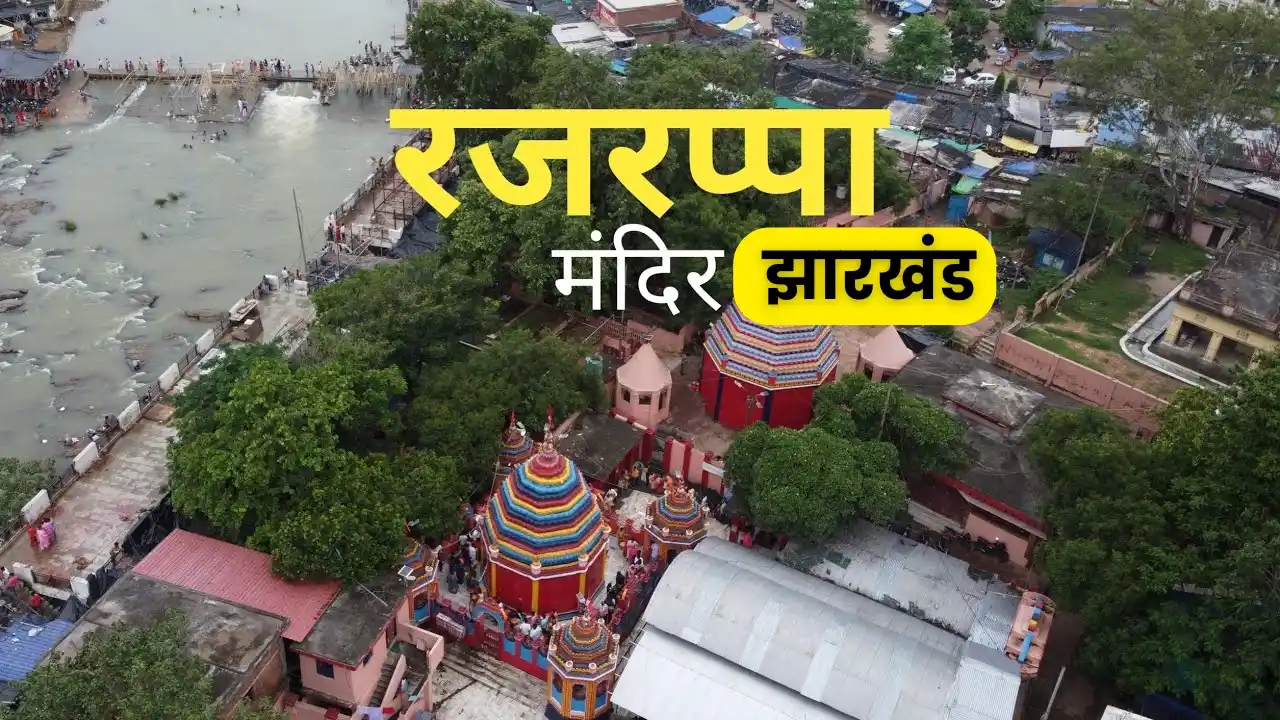
Deep in the heart of Jharkhand, surrounded by rivers, hills, and the whispering sounds of nature, stands a temple that has fascinated devotees and historians alike for centuries — the Rajrappa Temple, dedicated to Goddess Chhinnamasta. This temple is not only a sacred seat of divine power but also a masterpiece of ancient architecture, built with mystery, devotion, and spiritual symbolism.
- 1A Glimpse of Divinity – The Location of Rajrappa Temple
- 2The Simplicity That Holds Great Power
- 3Tantric Style of Architecture
- 4The Idol of Goddess Chhinnamasta – A Symbol of Power and Enlightenment
- 5The Temple’s Orientation and Energy Flow
- 6Symbolic Carvings and Ancient Patterns
- 7Connection Between Nature and Architecture
- 8Ritual Spaces and Their Purpose
- 9The Timelessness of Rajrappa Temple
- 10Conclusion: The Architecture That Speaks of the Divine
Unlike other grand temples of India that dazzle with their size and gold, Rajrappa Temple reflects simplicity and sacred geometry. Every corner, every stone, and every carving carries meaning. It is a temple that speaks not through grandeur but through silence, energy, and divine balance.
A Glimpse of Divinity – The Location of Rajrappa Temple
Rajrappa Temple, also known as Chhinnamasta Mandir, is located at the confluence of the Bhairavi and Damodar Rivers in the Ramgarh district of Jharkhand. It is about 80 kilometers from Ranchi and is surrounded by rocky hills and dense forests.
The setting of the temple is itself a part of its design — a sacred choice, not a coincidence. The two rivers that meet near the temple are believed to represent Shakti (power) and Shiva (consciousness). Their confluence is considered a spiritual energy point, which enhances the power of the temple.
Many architects and historians believe that the location was chosen using ancient Tantric principles, where natural energy centers, known as shakti sthal, were selected for temple construction.
The Simplicity That Holds Great Power
At first sight, the Rajrappa Temple might seem small and simple compared to other famous temples in India. It does not have towering spires, glittering domes, or golden carvings. Yet, the simplicity of its architecture hides deep symbolic meaning.
The structure is built using stone and brick, giving it a timeless and earthy appearance. The temple stands modestly amid nature, as if blending into its surroundings rather than dominating them. This style represents humility and harmony — a reminder that the divine does not need grandeur to be powerful.
Tantric Style of Architecture
The most unique aspect of Rajrappa Temple is its Tantric architectural design. Unlike traditional Hindu temples that follow the Nagara or Dravidian style, this temple follows Tantric principles of sacred geometry and energy flow.
The layout of the temple is based on Yantra design, a geometrical representation of divine energy. It is believed that the temple is built over a powerful energy point where cosmic vibrations are strong. This is why devotees often describe a strange, peaceful energy as soon as they enter the temple premises.
The temple’s main sanctum (Garbhagriha) is small, dark, and cave-like — designed to concentrate spiritual energy. This design reflects the womb of the Earth, symbolizing creation and regeneration. The atmosphere inside is quiet and intense, allowing devotees to feel deeply connected to the goddess.
The Idol of Goddess Chhinnamasta – A Symbol of Power and Enlightenment
The main attraction and the most mysterious part of the temple’s architecture is the idol of Goddess Chhinnamasta. Unlike other temples where idols are artistically sculpted, the idol here is self-manifested (Swayambhu) — naturally formed from stone.
The goddess is shown standing on the bodies of Kama (desire) and Rati (pleasure), holding her own severed head in her left hand. Three streams of blood flow from her neck — one entering her own mouth and the other two feeding her attendants, Jaya and Vijaya.
This form represents sacrifice, control over desires, and the victory of spirit over the body. It is one of the rarest forms of the divine mother and can only be found in a few temples in India, such as Kamakhya in Assam and Rajrappa in Jharkhand.
Architecturally, the idol’s placement is also unique. It faces the east, aligning perfectly with the direction of sunrise — a symbol of light, wisdom, and new beginnings. The energy from the first rays of the sun is said to activate the sacred vibrations of the temple each morning.
The Temple’s Orientation and Energy Flow
The Rajrappa Temple is not randomly placed. Ancient architects, known as Sthapatis, designed the temple according to Vastu Shastra and Tantric geomancy.
The main sanctum is positioned in such a way that it receives natural energy from the east, where the sun rises. The entrance to the temple is slightly inclined toward the confluence of the rivers, allowing the flow of spiritual energy to move freely through the structure.
The open courtyard in front of the shrine serves as a space for devotees to gather and perform rituals. Around it, small shrines dedicated to Lord Shiva, Bhairav, and Surya complete the temple’s sacred energy circuit.
The entire design is meant to represent the cosmic balance — fire (sun), water (rivers), air (breeze from hills), earth (stone structure), and space (open sky above).
Symbolic Carvings and Ancient Patterns
Although the temple is simple, close observation reveals ancient carvings and symbols on the walls and pillars. Many of these represent Tantric symbols, including lotus petals, triangles, and serpentine patterns.
The lotus represents purity and spiritual awakening, while the triangle pointing downward symbolizes the goddess’s creative energy. The snake motifs often seen on the temple’s pillars represent the rise of kundalini energy, the spiritual force that awakens enlightenment.
These carvings are not mere decorations — they are visual prayers, created to guide the devotee’s consciousness from the physical to the spiritual plane.
Connection Between Nature and Architecture
Rajrappa Temple’s design deeply respects nature. The temple is built at a lower elevation near the rivers, allowing the sound of flowing water to constantly echo in the background. The presence of water, greenery, and open sky was deliberately chosen to enhance the meditative experience of visitors.
Even the temple’s walls are left unpainted, blending naturally with the earthy tones of the surrounding rocks. This connection with nature represents oneness with the universe — the essence of Tantric philosophy.
During early morning or evening aarti, when lamps are lit and the temple bells ring in rhythm with the river’s flow, one can feel as if the entire landscape is participating in the worship.
Ritual Spaces and Their Purpose
Apart from the main shrine, the Rajrappa Temple complex includes several smaller ritual spaces. There is an area for fire offerings (Havan Kund), a place for bali rituals (sacrifices), and platforms for tantric meditation and chants.
These spaces are arranged according to energy zones, allowing different types of rituals to be performed without disturbing the spiritual balance of the main sanctum.
The presence of these ritual areas shows how deeply the temple’s architecture is connected to its spiritual purpose. Every part of the design serves to elevate the devotee’s consciousness, transforming the visit into a journey of inner awakening.
The Timelessness of Rajrappa Temple
What makes the architecture of Rajrappa Temple truly fascinating is its timelessness. Despite being centuries old, the temple has survived floods, storms, and natural decay — a sign of both engineering excellence and divine protection.
The structure’s stability lies in its simplicity. Built using locally available stones and traditional binding methods, the temple has stood strong without modern reinforcement. Its design naturally resists water erosion and supports air circulation, preserving the sanctity of the inner sanctum.
This timeless endurance reflects the goddess herself — eternal, unshaken, and ever-present.
Conclusion: The Architecture That Speaks of the Divine
The Rajrappa Temple in Jharkhand is not just an ancient structure of stones; it is a living embodiment of sacred architecture. Every element — from its location near the rivers to its orientation, idol placement, and carvings — holds spiritual meaning.
It teaches us that architecture, when guided by faith and spiritual understanding, becomes more than art — it becomes a pathway to the divine.
Standing before the temple, hearing the flow of the Bhairavi River and the echo of temple bells, one feels that this place was not built by human hands alone but designed by divine intention.
The architectural secrets of Rajrappa Temple remind us that the goddess does not live only in her idol — she lives in the rhythm of the rivers, in the stones of the temple, and in the hearts of those who come seeking her blessings.