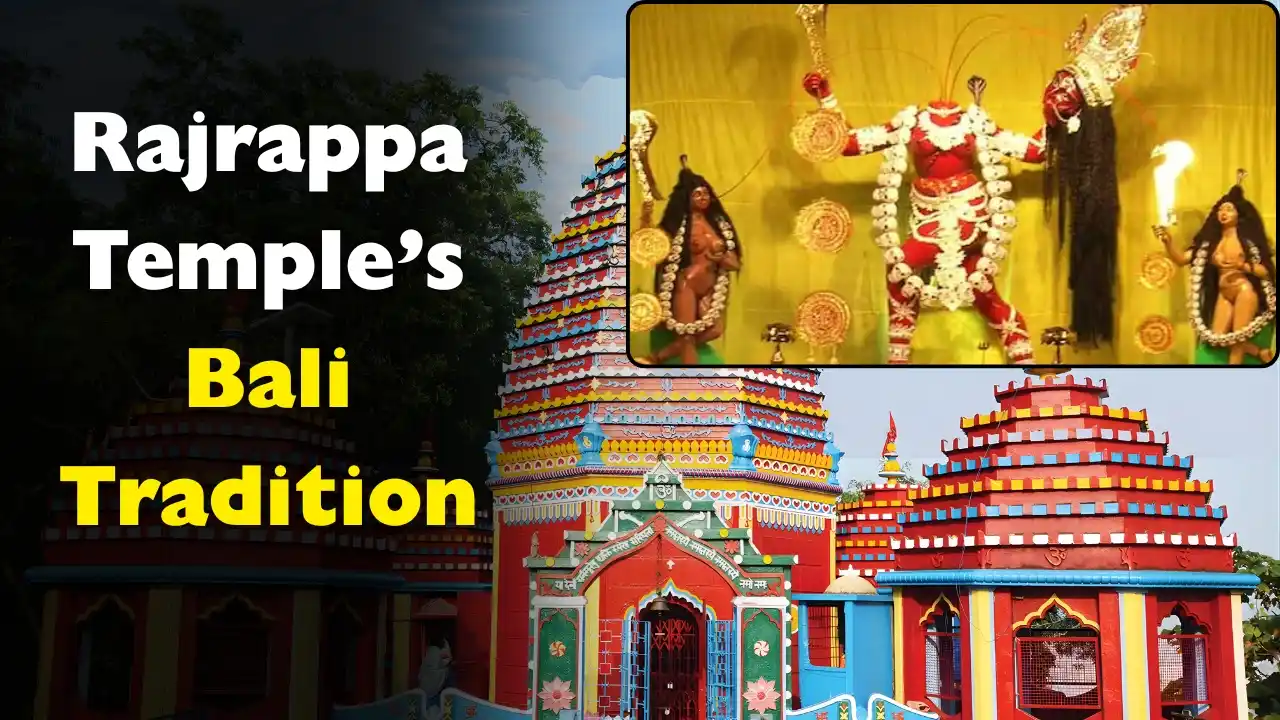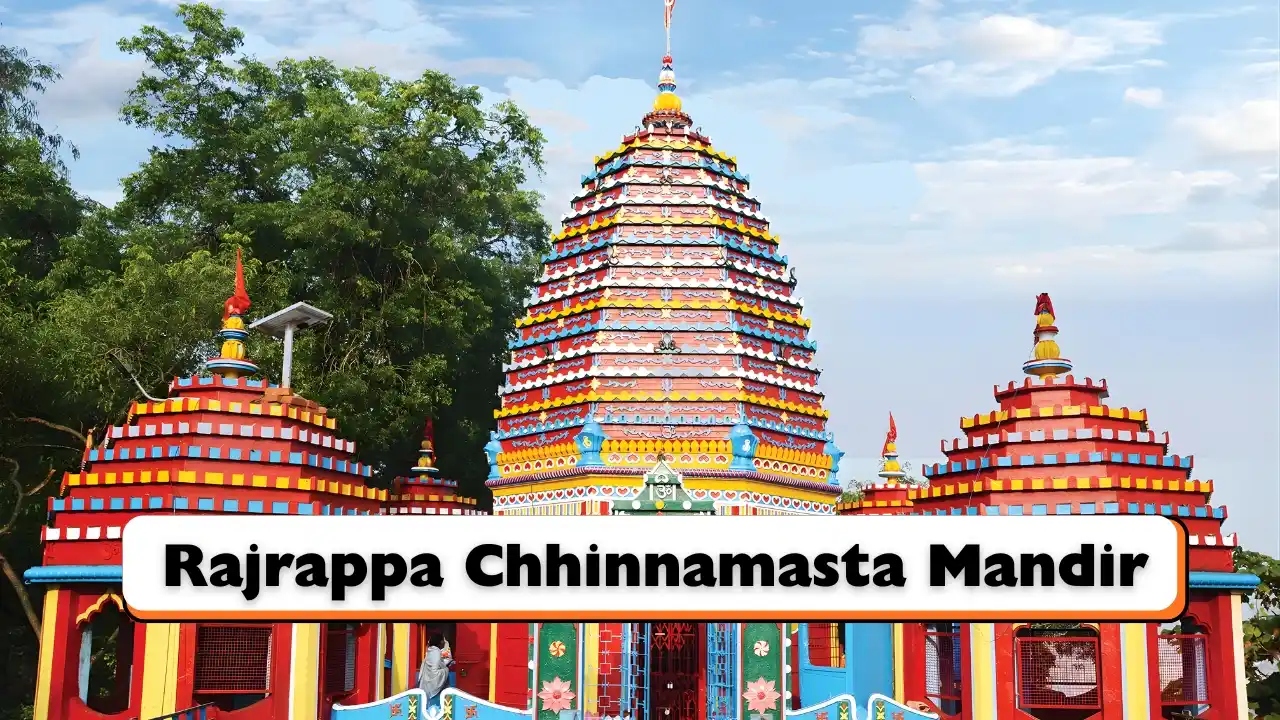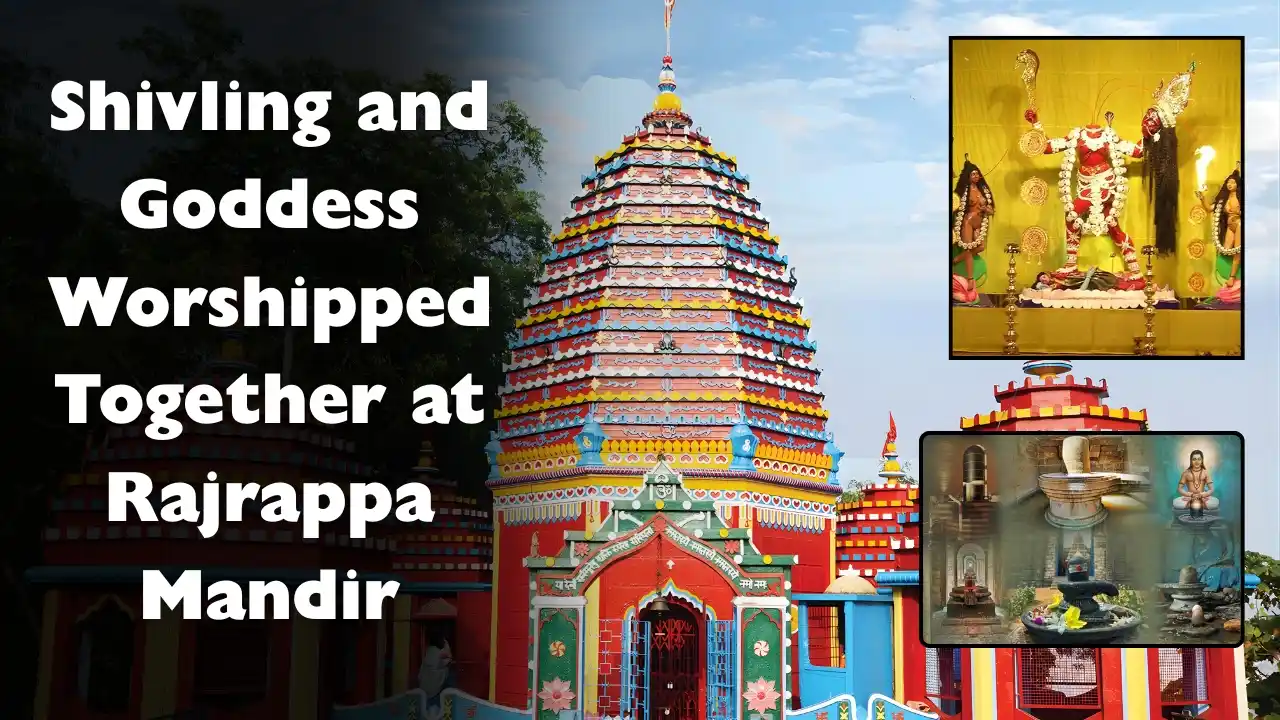
In the deep heart of Jharkhand, surrounded by hills, rivers, and the whispers of sacred chants, lies one of India’s most mysterious and spiritually powerful temples — the Rajrappa Mandir. Dedicated to Goddess Chhinnamasta, this ancient shrine stands at the divine confluence of the Bhairavi and Damodar Rivers, a site that radiates pure energy and peace.
- 1The Divine Union of Shiva and Shakti
- 2The Story of Goddess Chhinnamasta and Lord Shiva
- 3The Sacred Connection of Bhairavi and Damodar Rivers
- 4Philosophical Meaning – The Balance of Energy and Consciousness
- 5The Spiritual Experience at Rajrappa Mandir
- 6Tantric Significance of Their Joint Worship
- 7Rituals and Worship Practices
- 8Symbolism of Shiv-Shakti Worship in Everyday Life
- 9The Eternal Message of Rajrappa Mandir
But what makes this temple truly unique is that it is one of the rare places in India where both the Goddess and Lord Shiva are worshipped together. Within the same sacred complex, the Shivling and the idol of Maa Chhinnamasta exist side by side — symbolizing the perfect balance between Shiva and Shakti, the masculine and feminine energies of creation.
This rare spiritual unity reflects a profound truth of Hindu philosophy — that neither energy nor consciousness can exist alone. Together, they form the eternal force that sustains the universe. In this article, we explore why both Shivling and Goddess Chhinnamasta are worshipped together at Rajrappa Mandir, the divine meaning behind this combination, and its spiritual importance for devotees.
The Divine Union of Shiva and Shakti
In Hindu belief, Shiva and Shakti are not two separate beings — they are two halves of one divine reality. Shiva represents pure consciousness, stillness, and the unchanging truth of existence, while Shakti represents energy, movement, and creation.
Without Shakti, Shiva is lifeless; without Shiva, Shakti has no direction. Together, they form the eternal cycle of creation and dissolution — the foundation of the cosmos.
At Rajrappa Mandir, this sacred union takes a tangible form. Devotees can witness the Shivling, representing Lord Shiva, and Maa Chhinnamasta, representing Shakti, being worshipped together in perfect harmony. This coexistence is not a coincidence but a profound representation of balance — of power and peace, destruction and creation, male and female, body and soul.
The Story of Goddess Chhinnamasta and Lord Shiva
According to ancient scriptures and Tantric texts, Maa Chhinnamasta is one of the ten Mahavidyas, or great forms of the Divine Mother. Her form is fierce — she holds her severed head in one hand and her sword in the other, standing on a pair of lovers, symbolizing the victory of spirit over desire.
Lord Shiva, on the other hand, is often described as the silent, meditating ascetic — detached from worldly pleasures and living in eternal peace.
In spiritual philosophy, Maa Chhinnamasta’s energy awakens Shiva’s consciousness, while Shiva’s calm gives direction to her power. Together, they represent the complete cycle of existence — where energy (Shakti) and consciousness (Shiva) unite to create balance in the universe.
Thus, at Rajrappa Mandir, their combined worship teaches that true spiritual progress comes only when power and peace unite within the soul.
The Sacred Connection of Bhairavi and Damodar Rivers
The location of Rajrappa Mandir beautifully mirrors the philosophy of Shiva and Shakti’s union. The temple stands at the sangam (meeting point) of two rivers — the Bhairavi River and the Damodar River.
- The Bhairavi River, named after Goddess Bhairavi (a fierce form of Shakti), represents energy, movement, and power.
- The Damodar River, often associated with Lord Shiva, represents stability, calmness, and consciousness.
As these two rivers merge at Rajrappa, they create a sacred confluence — symbolizing the merging of Shiva and Shakti, the two divine forces of the universe. This natural harmony of rivers and deities makes Rajrappa Mandir not just a place of worship but a living symbol of cosmic balance.
Devotees who take a dip at the confluence believe that it purifies both body and soul, helping them connect deeply with the divine.
Philosophical Meaning – The Balance of Energy and Consciousness
The presence of both Shivling and Goddess Chhinnamasta in Rajrappa Mandir conveys a powerful philosophical message — that one cannot exist without the other.
- Shiva (the Shivling) represents the formless, eternal consciousness — the still observer of creation.
- Shakti (Maa Chhinnamasta) represents dynamic energy, the force that brings everything to life.
Together, they complete each other — just like day and night, sun and moon, or inhaling and exhaling. The worship of both teaches devotees that balance is the key to life.
Without Shiva, Shakti’s energy would be uncontrolled. Without Shakti, Shiva’s stillness would be inert. At Rajrappa Mandir, this unity of the two is not merely symbolic — it is felt in the temple’s atmosphere. The chants, the flowing rivers, and the sacred rituals all vibrate with this dual energy.
The Spiritual Experience at Rajrappa Mandir
When devotees step into the temple complex, they often describe feeling two distinct yet harmonious energies — one of strength and the other of peace. The Shivling exudes calm and stability, while the shrine of Maa Chhinnamasta radiates raw power and transformation.
As priests chant mantras to both deities, the air fills with an energy that feels both grounding and uplifting. This dual vibration allows devotees to experience spiritual completeness — awakening both the mind and the heart.
Many say that praying to Maa Chhinnamasta gives them courage and energy, while offering water to Lord Shiva gives them mental peace and clarity. Together, these experiences heal and empower the spirit.
Tantric Significance of Their Joint Worship
Rajrappa Mandir has deep roots in Tantric traditions, where the union of Shiva and Shakti is the central principle. In Tantra, spiritual awakening happens when the Kundalini Shakti (divine energy) rises from the base of the spine and unites with Shiva at the crown of the head — symbolizing enlightenment.
This union is what devotees experience spiritually when they worship both deities together. The Shivling represents the crown, or the higher consciousness, while Maa Chhinnamasta represents the rising energy that seeks to merge with it.
Hence, performing rituals and prayers to both deities together at Rajrappa is not just a tradition — it is a path to spiritual awakening. It teaches that balance between strength and serenity leads to true liberation.
Rituals and Worship Practices
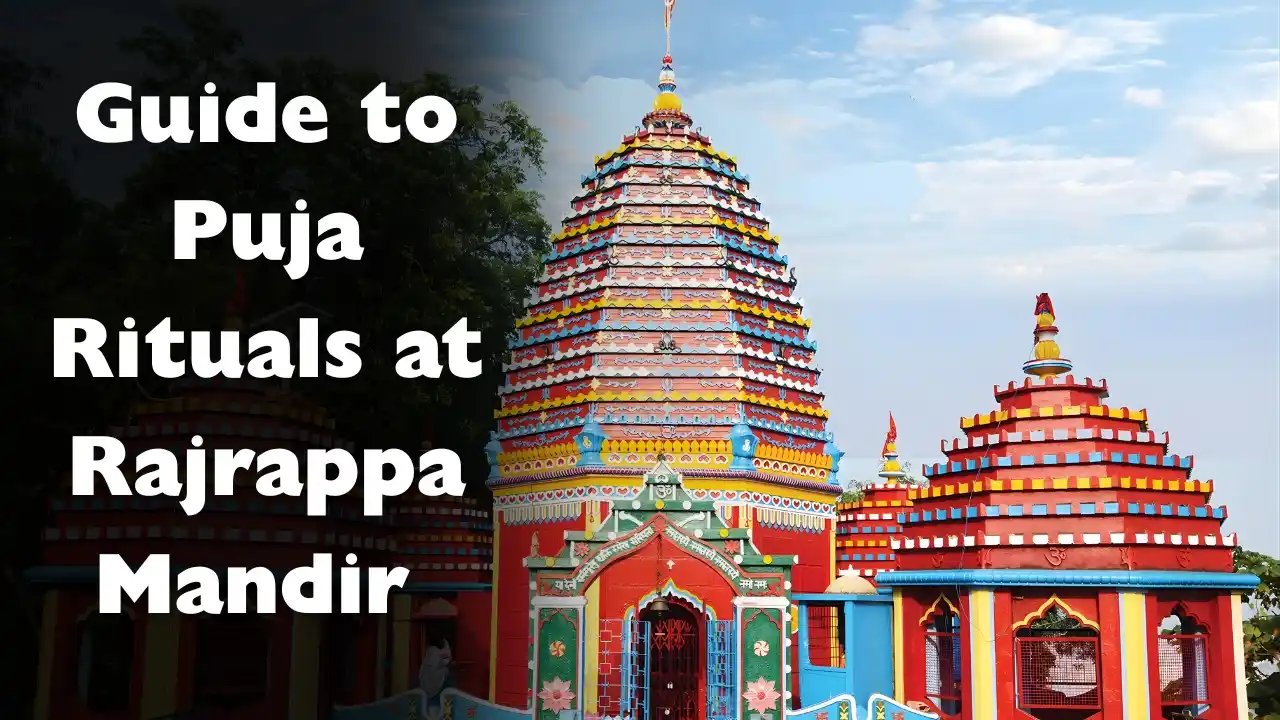
At Rajrappa Mandir, both Lord Shiva and Maa Chhinnamasta have their own dedicated shrines, and the worship sequence often begins with offering water and milk to the Shivling, followed by prayers to the Goddess.
Morning Rituals:
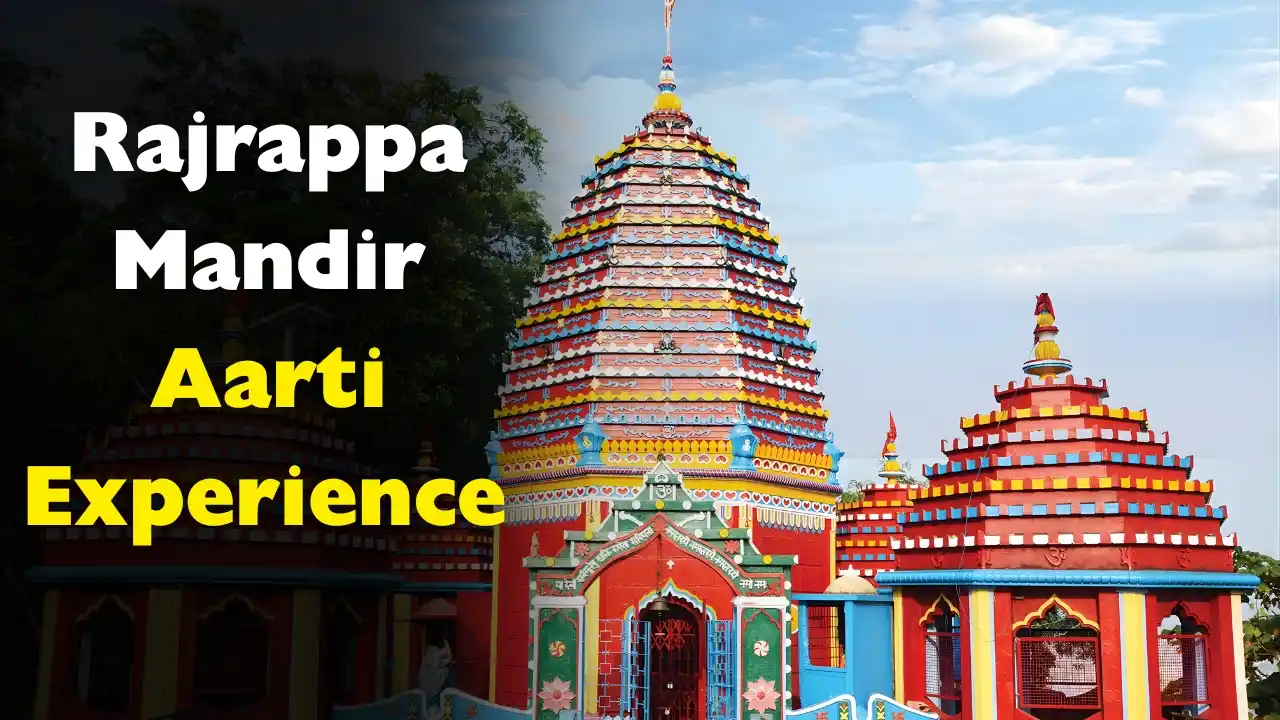
The day begins with Mangala Aarti, when priests offer lamps and chant hymns to awaken both deities. The first offering is made to the Shivling, followed by the Goddess. This represents the harmony between stillness and motion — Shiva’s calm awakening the energy of Shakti.
Midday Bhog Aarti:
During the Bhog Aarti, devotees present food and offerings to both shrines. The Prasad is later distributed as the divine blessing of both powers — peace from Shiva and strength from Shakti.
Evening Aarti:
As the sun sets, the temple glows with hundreds of lamps. The Sandhya Aarti brings both energies together — the masculine and feminine, the still and the fierce — in a breathtaking celebration of divine unity.
Symbolism of Shiv-Shakti Worship in Everyday Life
The worship of Shiva and Shakti together at Rajrappa Mandir teaches devotees a lesson that goes beyond religion. It reflects the truth of everyday life — that peace and power must exist together.
- In relationships, Shiva and Shakti represent balance and respect.
- In emotions, they represent harmony between calmness and passion.
- In spirituality, they guide the soul to balance meditation with action.
This balance is what brings true happiness and stability. It reminds us that strength without peace leads to chaos, and peace without strength leads to weakness.
The Eternal Message of Rajrappa Mandir
Rajrappa Mandir stands as a living symbol of the divine union of Shiva and Shakti, reminding every devotee that both energies are within us. When they come together — when our mind (Shiva) aligns with our energy (Shakti) — we experience inner freedom.
As the rivers merge beside the temple and the chants rise toward the sky, devotees can feel this truth flowing within them — that creation and destruction, calmness and energy, man and woman, are all part of one divine whole.
When you bow before the Shivling and then stand before Maa Chhinnamasta, you are not just performing two acts of worship — you are witnessing the eternal dance of consciousness and creation, the very rhythm that keeps the universe alive.