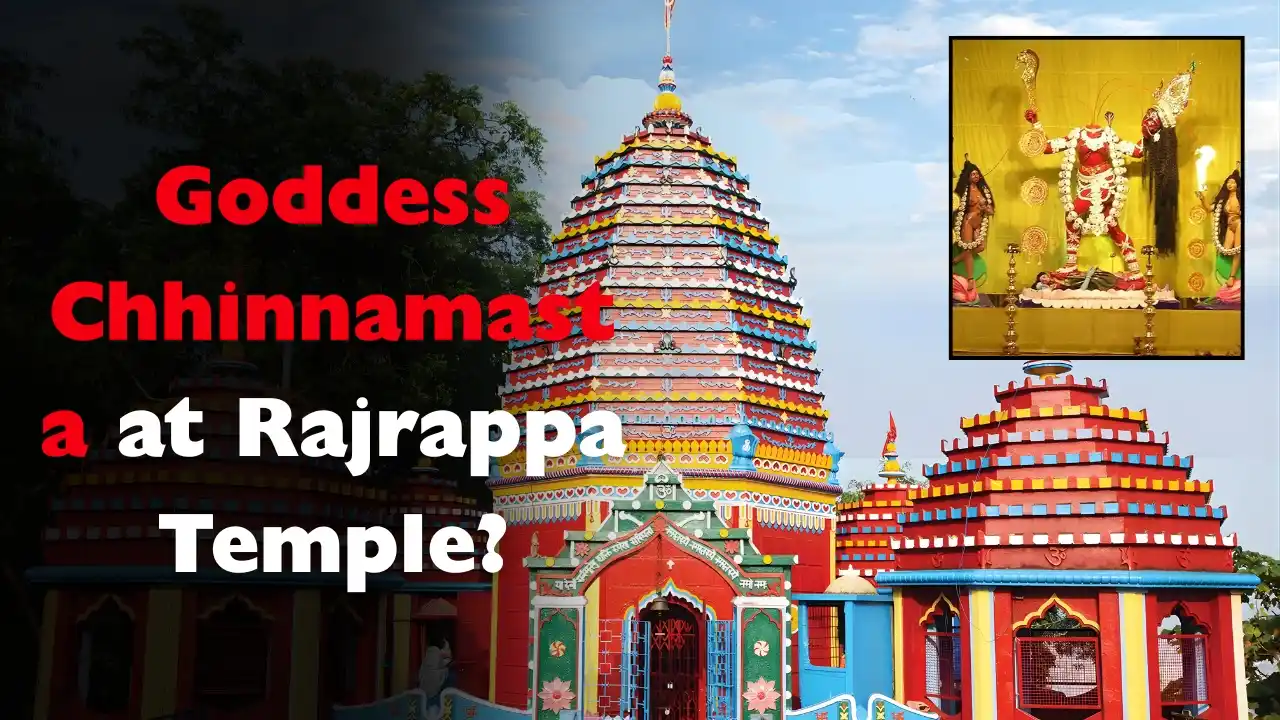
In the sacred land of Jharkhand, where rivers sing their eternal songs and nature guards ancient secrets, stands one of India’s most powerful temples — the Rajrappa Temple. Here, at the confluence of the Bhairavi and Damodar Rivers, the fierce and mysterious Goddess Chhinnamasta is worshipped in her divine glory.
- 1The Identity of Goddess Chhinnamasta
- 2The Mythological Story of Goddess Chhinnamasta
- 3Chhinnamasta as the Symbol of Transformation
- 4Chhinnamasta at Rajrappa Temple – The Living Shakti
- 5The Goddess of Contradictions – Life and Death in Harmony
- 6Tantric Significance of Goddess Chhinnamasta
- 7The Devotion and Worship of Maa Chhinnamasta
- 8The Message of Maa Chhinnamasta
- 9Conclusion – The Goddess Who Teaches Courage and Awakening
Unlike any other goddess in Hinduism, Maa Chhinnamasta represents the ultimate balance between life and death, creation and destruction, sacrifice and awakening. Her image might appear terrifying to some, but within it lies one of the most profound spiritual truths ever known — the realization that true enlightenment comes through self-surrender.
This article explores who Goddess Chhinnamasta is, her mythological origins, symbolic meaning, and why she is worshipped with such deep faith at Rajrappa Temple, one of the most sacred Shakti Peeths in India.
The Identity of Goddess Chhinnamasta
Goddess Chhinnamasta — also known as Prachanda Chandika or Chhinnamastika Devi — is one of the ten Mahavidyas in Hindu Tantric tradition. The Mahavidyas are the ten great wisdom goddesses, each representing a unique aspect of Shakti, the universal feminine energy.
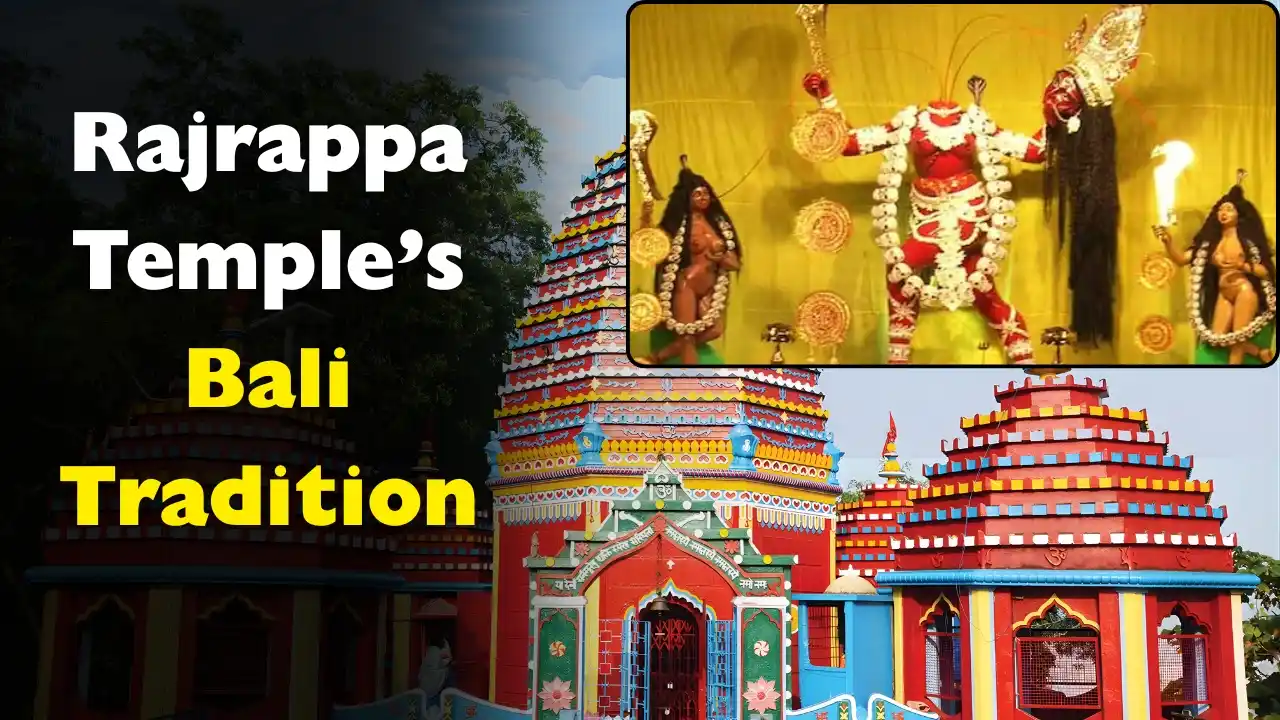
Chhinnamasta’s name literally means “The Self-Decapitated Goddess.” She is depicted as standing fearlessly, holding her severed head in one hand and a sword in the other. From her neck, three streams of blood flow — one into her mouth and the other two into the mouths of her attendants, Dakini and Varnini.
This fierce image is not one of horror but of transcendence. It reveals that the path to divine realization requires the sacrifice of the ego, the ultimate barrier between the self and the divine truth.
At Rajrappa Mandir, she is worshipped not only as the goddess of power but as the embodiment of the eternal life force — the energy that creates, nourishes, and transforms everything.
The Mythological Story of Goddess Chhinnamasta
There are several stories in Hindu mythology that explain the origin of Maa Chhinnamasta, but the most well-known comes from the Shakta and Tantric texts.
According to the legend, after a long bath in the sacred river, Goddess Parvati, the consort of Lord Shiva, was surrounded by her two attendants, Jaya (Dakini) and Vijaya (Varnini). The attendants, weakened by hunger, requested the goddess to give them food.
Moved by their plea and to demonstrate the cycle of creation and sacrifice, the goddess immediately cut off her own head with her sword. From her neck, three streams of blood gushed out — one feeding herself and the other two feeding her attendants.
After this divine act, she reattached her head and resumed her original form. This self-sacrifice symbolized the goddess’s complete control over life and death, showing that she is both the giver and taker of life.
This story reflects the goddess’s message — to nourish others, one must sometimes sacrifice oneself. It also reveals the deep spiritual truth that everything in the universe is connected through the continuous exchange of energy.
Chhinnamasta as the Symbol of Transformation
While the image of Maa Chhinnamasta may appear fierce or frightening at first, her form holds a deep and transformative meaning.
Her act of self-decapitation does not represent destruction, but rather enlightenment — the end of the ego and the awakening of the higher self. By cutting off her own head, she demonstrates freedom from desire, pride, and attachment, which are the main causes of suffering in human life.
Each element in her image carries a spiritual message:
- Severed Head: Symbolizes the victory of spirit over ego.
- Three Blood Streams: Represent the three life forces — creation, preservation, and destruction.
- Attendants (Dakini and Varnini): Symbolize the continuous cycle of giving and receiving — the divine balance in nature.
- Standing on a Pair of Lovers: Represents control over physical desires and transformation of sexual energy into spiritual power.
At Rajrappa Mandir, devotees see her as a mother who teaches courage, control, and self-awareness. Her fierce form reminds them that spiritual growth often comes through letting go — of fear, attachment, and ego.
Chhinnamasta at Rajrappa Temple – The Living Shakti
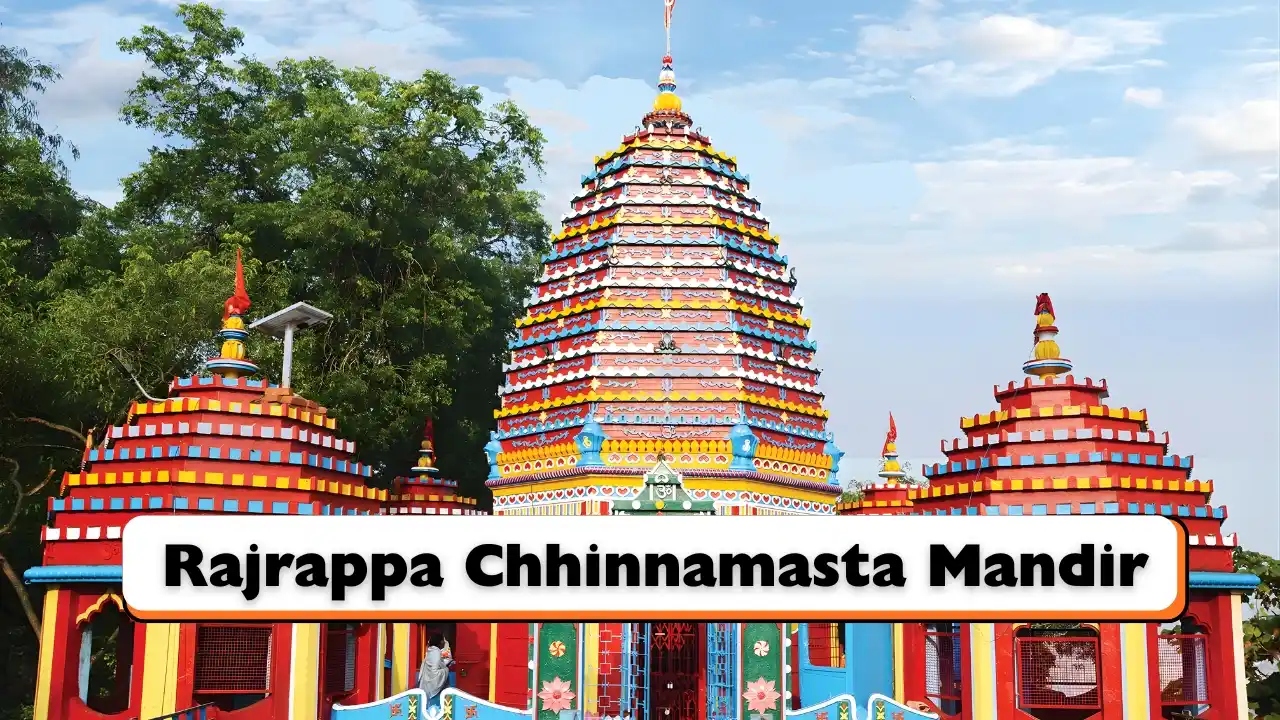
The Rajrappa Temple, located in Ramgarh district of Jharkhand, is one of the oldest and most revered temples of Goddess Chhinnamasta. It is believed that this is the place where the head of Goddess Sati fell when Lord Vishnu’s Sudarshan Chakra cut her body into pieces to calm Lord Shiva’s grief and rage.
Because of this divine event, Rajrappa is considered one of the 51 Shakti Peeths — powerful centers of feminine energy spread across India.
Inside the temple, the idol of Maa Chhinnamasta stands in her self-decapitated form, carved out of black stone. She holds her own head in one hand and her sword in the other. Her presence radiates a sense of awe and power that leaves devotees speechless.
The temple is small yet filled with an energy so strong that many visitors describe feeling vibrations the moment they step inside. The constant sound of bells, the chants of “Jai Maa Chhinnamasta”, and the gentle murmur of the nearby rivers create an atmosphere that feels truly divine.
The Goddess of Contradictions – Life and Death in Harmony
Goddess Chhinnamasta is a goddess of paradoxes. She is both terrifying and compassionate, destructive and nurturing, fierce and kind. Her form represents the dual nature of existence — that life and death are not opposites but parts of the same cosmic truth.
In her image, she feeds herself even as she sacrifices her own body, showing that destruction and creation are inseparable. She reminds us that growth often requires change, and change sometimes feels like loss — but both are necessary for evolution.
Devotees who come to Rajrappa Temple pray to her for courage, emotional strength, and liberation from suffering. Many believe that Maa Chhinnamasta helps those who are stuck in confusion, fear, or spiritual darkness, guiding them toward self-realization.
Tantric Significance of Goddess Chhinnamasta
Chhinnamasta is deeply revered in Tantric philosophy, where she represents the awakening of Kundalini energy — the life force that lies dormant at the base of the spine.
According to Tantra, when this energy rises and reaches the crown of the head, it leads to enlightenment — the complete merging of the individual soul with the cosmic consciousness. Chhinnamasta’s act of self-decapitation symbolizes this awakening of inner power, where energy transcends physical form and merges with divine light.
This is why many spiritual seekers visit Rajrappa Mandir not just for blessings but for meditation and inner awakening. The temple’s location, at the meeting of two rivers, also represents the union of physical and spiritual energies, making it a powerful spot for transformation.
The Devotion and Worship of Maa Chhinnamasta
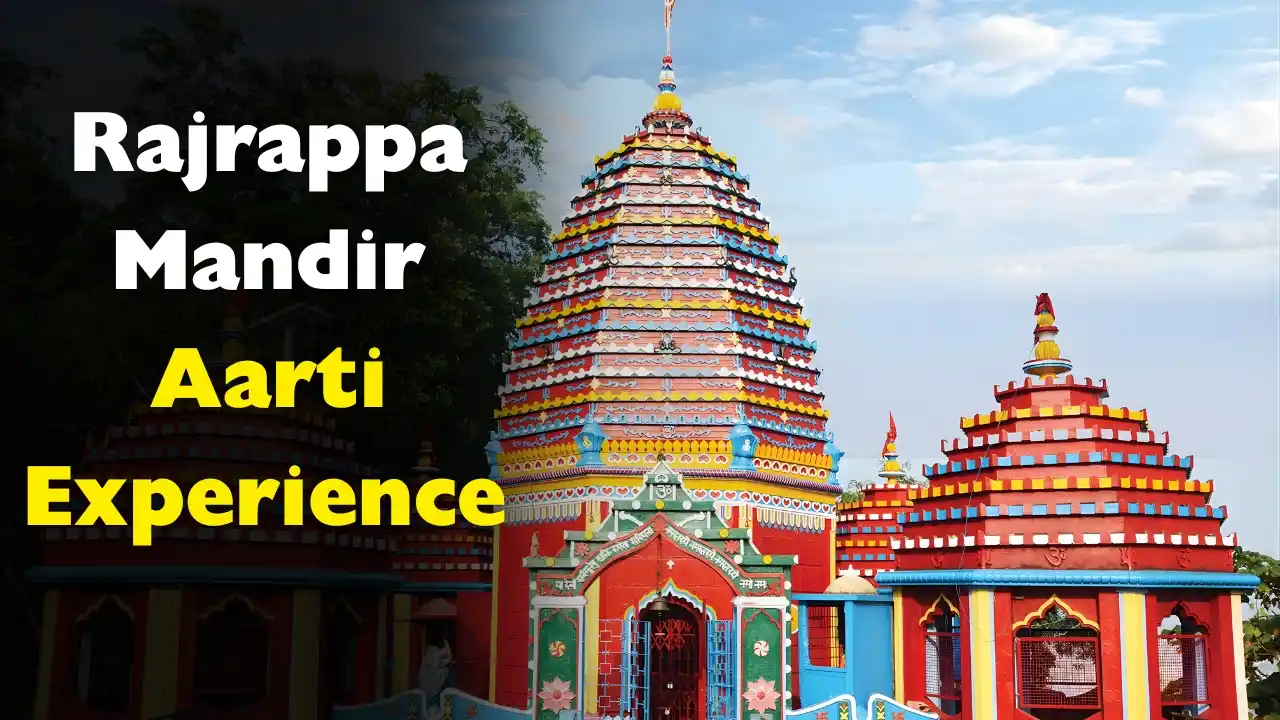
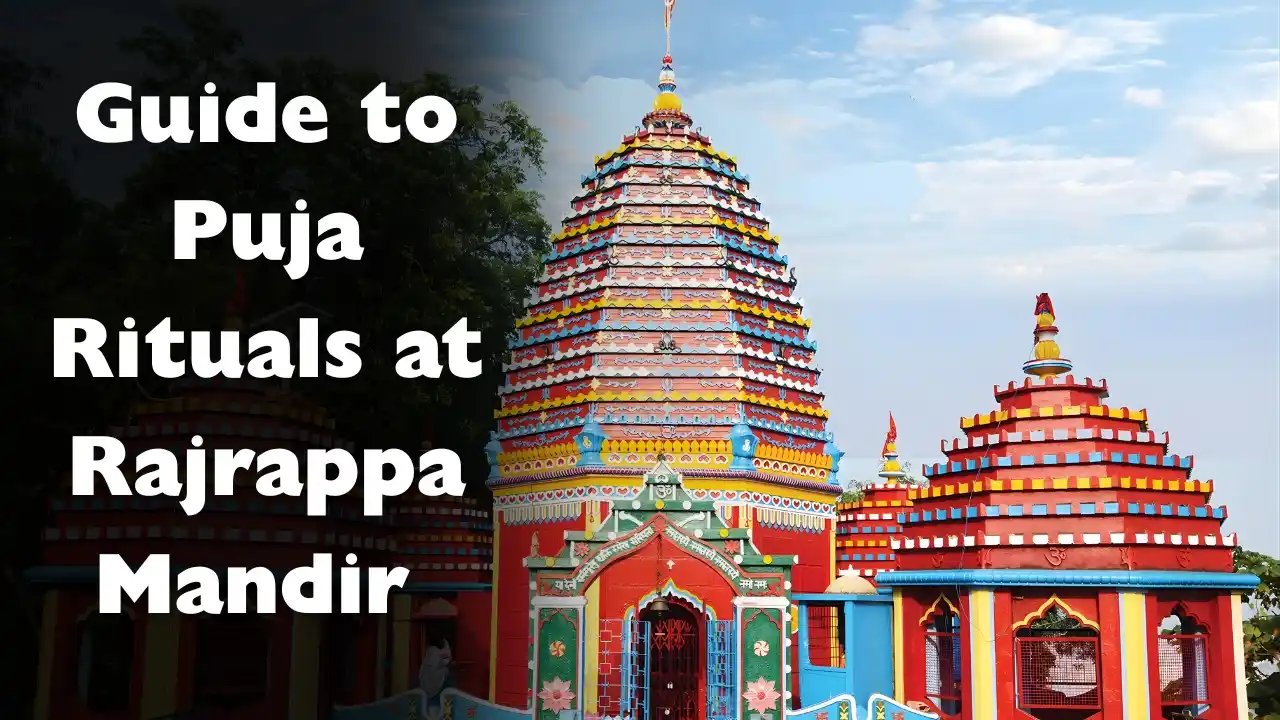
Devotees worship Goddess Chhinnamasta with deep reverence and emotional devotion. The daily rituals at Rajrappa Temple include Mangala Aarti (morning worship), Bhog Aarti (midday offering), and Sandhya Aarti (evening prayers).
Offerings usually include red flowers, coconuts, sweets, and vermilion, all symbolizing energy and devotion. During Navratri and Kali Puja, the temple becomes a sea of faith, as thousands gather to offer prayers and witness the powerful Aarti.
Despite her fierce form, devotees describe Maa Chhinnamasta as a compassionate mother who protects her children from harm, fulfills their wishes, and grants inner peace.
The Message of Maa Chhinnamasta
The message of Goddess Chhinnamasta is timeless and universal — that real power lies in self-control, humility, and surrender. She teaches that life is a constant balance between giving and receiving, joy and pain, creation and destruction.
Her image challenges us to look beyond fear and understand that everything in existence — even death — is a part of divine order. She tells us that by letting go of the ego, we find the strength to live with truth and compassion.
When devotees bow before her at Rajrappa Temple, they are not just praying to a goddess — they are acknowledging the power within themselves, the same divine energy that flows through every living being.
Conclusion – The Goddess Who Teaches Courage and Awakening
Goddess Chhinnamasta at Rajrappa Temple is not merely a deity to be worshipped; she is a spiritual teacher, a reminder of the divine truth that exists beyond fear and illusion.
Her fierce beauty and profound symbolism continue to inspire countless devotees to embrace change, overcome ego, and live a life of awareness and courage.
When you stand before her idol at Rajrappa, with the sound of the rivers flowing beside you and the air filled with chants, you can feel her presence — intense, motherly, and liberating. She reminds you that the greatest offering to the divine is not blood or gold, but the surrender of your ego and the awakening of your soul.