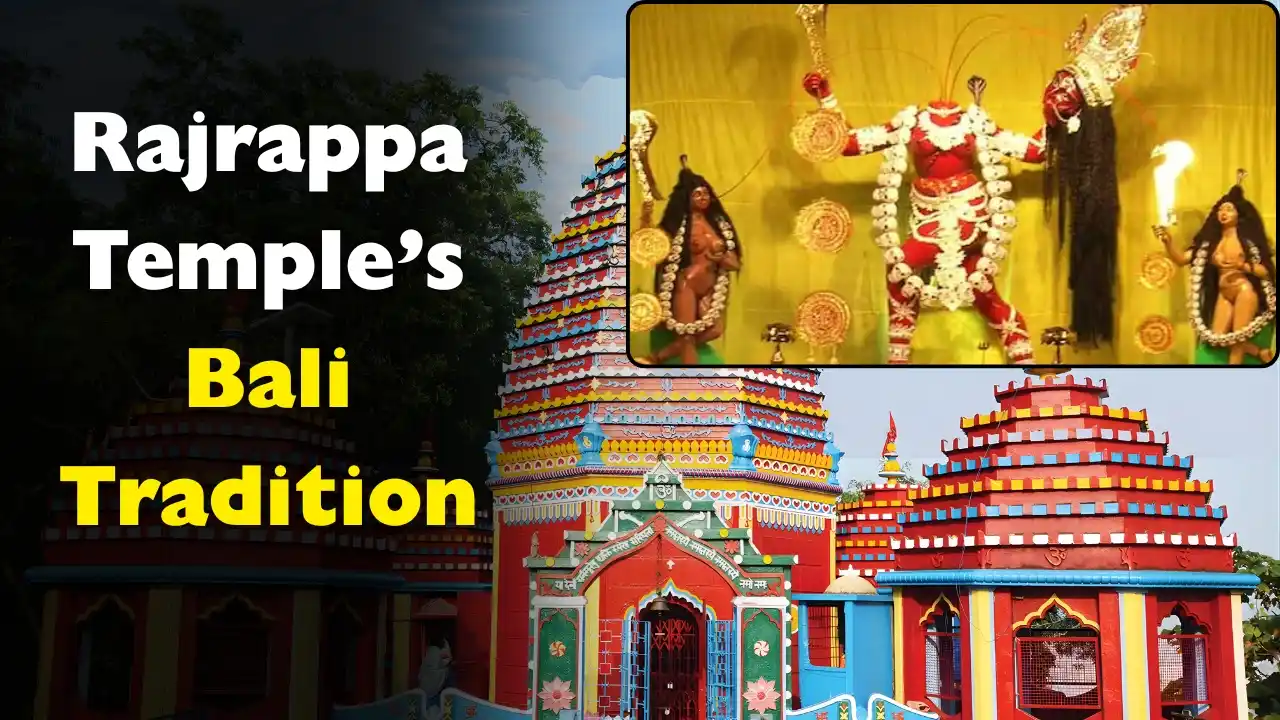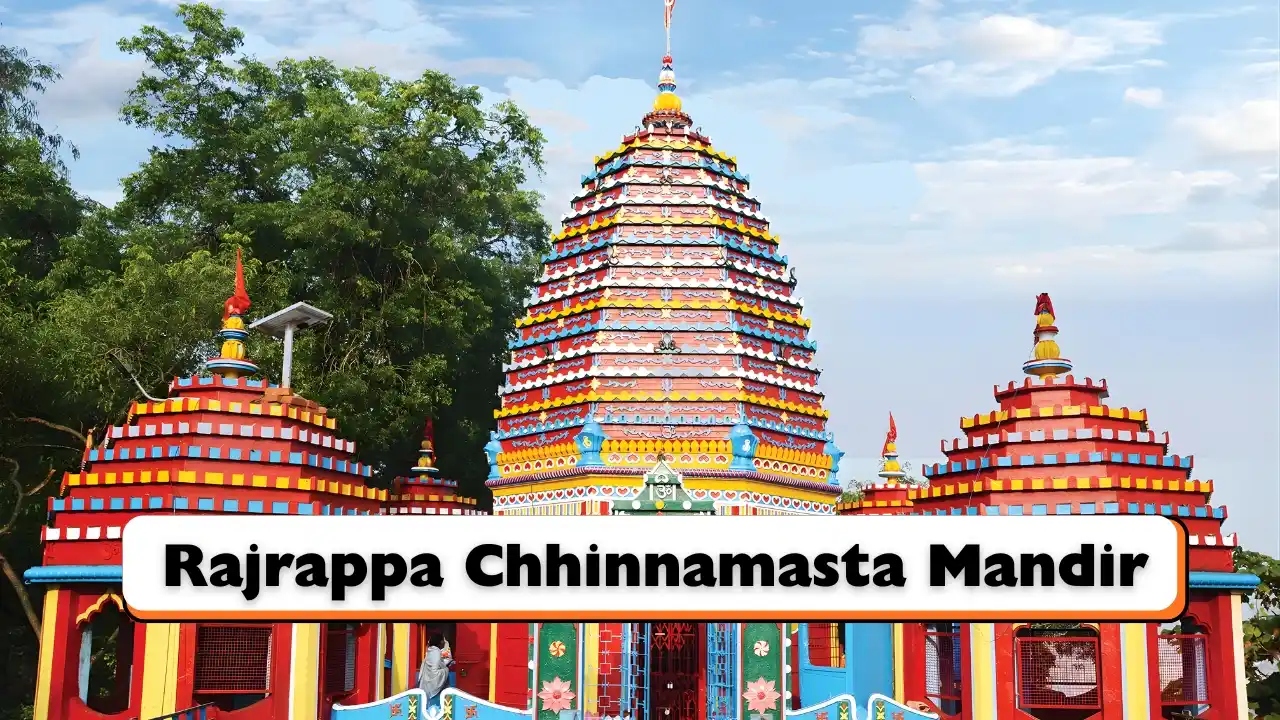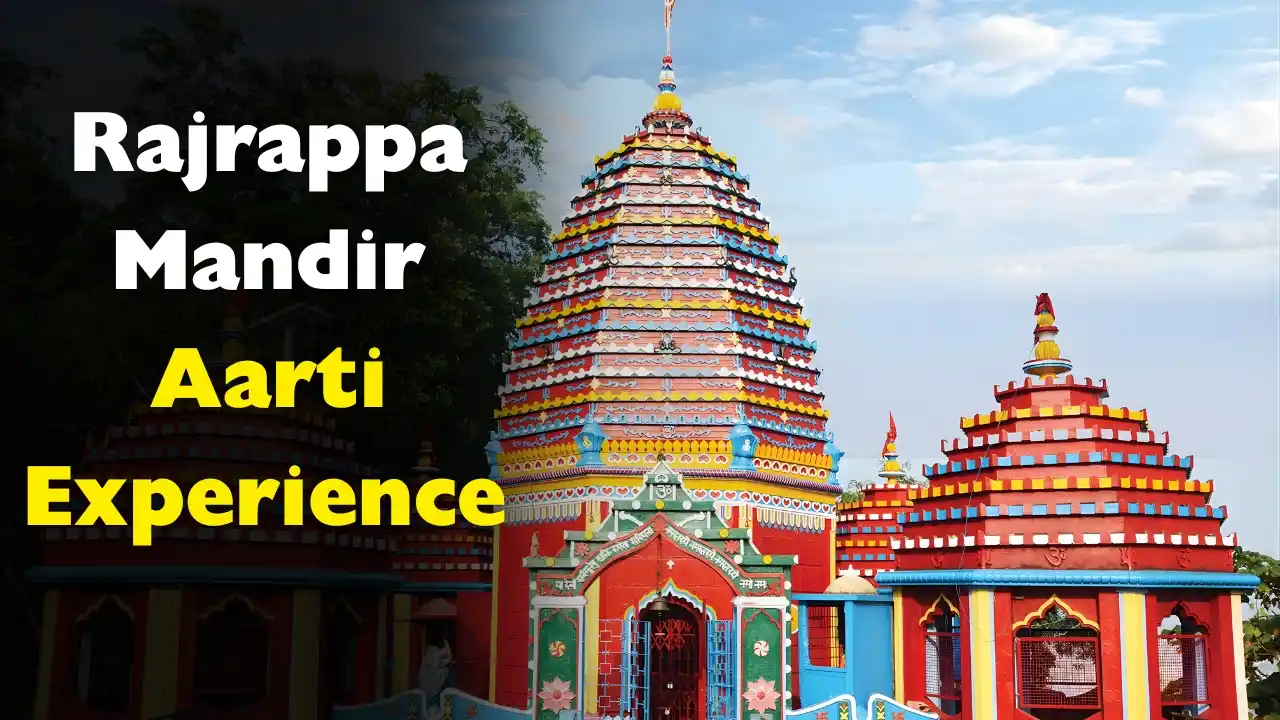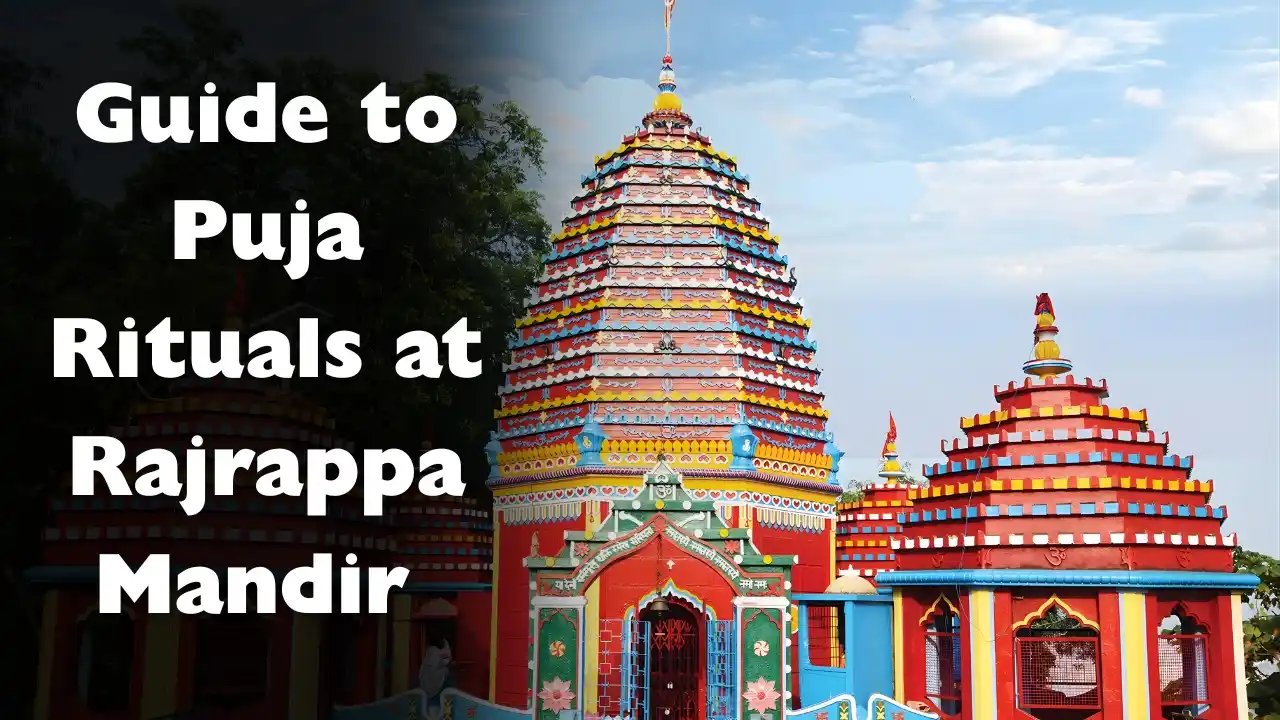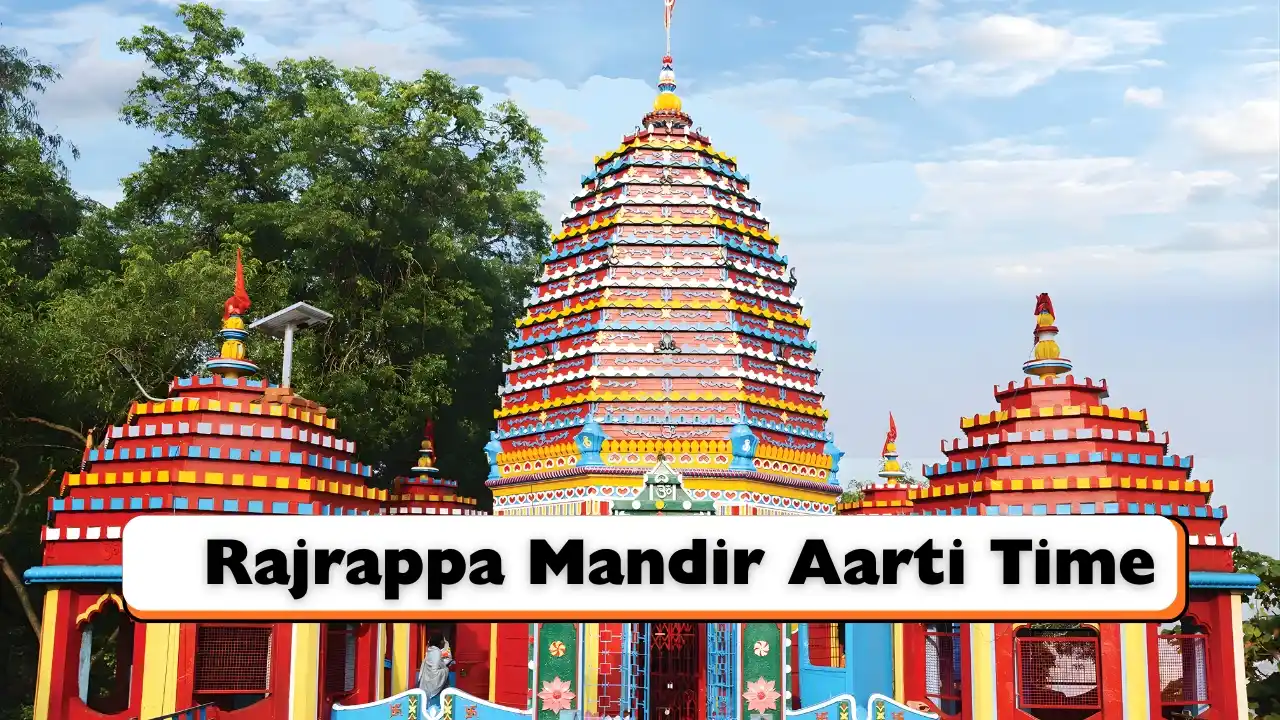
In the peaceful heart of Jharkhand, surrounded by lush forests and flowing rivers, lies one of India’s most powerful temples — the Rajrappa Mandir, dedicated to Goddess Chhinnamasta. The temple, located at the sacred confluence of the Bhairavi and Damodar Rivers, is not just a place of worship but a spiritual experience where one feels the divine energy of Maa Chhinnamasta, the self-decapitated form of Shakti.
Every day, thousands of devotees visit this temple to seek blessings, perform rituals, and experience the divine power that fills the air. The Aarti (prayer ceremony) and daily puja schedule at Rajrappa Mandir follow ancient traditions that have been carried on for centuries. Each ritual here is filled with devotion, discipline, and emotion — creating a deep connection between the devotee and the goddess.
This detailed guide will take you through the Rajrappa Mandir Aarti timings, daily worship rituals, and everything you need to know to plan your spiritual visit perfectly.
The Divine Significance of Aarti in Rajrappa Mandir
The word Aarti comes from the Sanskrit word Aratrika, meaning “light that removes darkness.” In Hinduism, the Aarti is the most sacred part of temple worship — a ritual of offering light, devotion, and gratitude to the deity.
At Rajrappa Mandir, the Aarti holds even greater significance because it is performed before Goddess Chhinnamasta, one of the most powerful forms of the Divine Mother. The flames of the lamps represent the eternal fire of Shakti, the universal energy that creates and sustains all life.
During Aarti, devotees chant hymns and mantras dedicated to the goddess, and the entire temple fills with the rhythmic sound of bells, conch shells, and the soulful chant of “Jai Maa Chhinnamasta.” The moment feels otherworldly — as if heaven itself has descended to earth.
Rajrappa Mandir Timings
The temple opens early every morning and remains accessible to devotees until late evening. However, the timings vary slightly between summer and winter due to daylight changes.
Summer Timings (March to September):
- Temple Opens: 4:00 AM
- Morning Aarti: 5:00 AM – 6:00 AM
- Midday Puja: 12:00 PM – 12:30 PM
- Evening Aarti: 6:30 PM – 7:30 PM
- Temple Closes: 10:00 PM
Winter Timings (October to February):
- Temple Opens: 5:00 AM
- Morning Aarti: 5:30 AM – 6:30 AM
- Midday Puja: 12:00 PM – 12:30 PM
- Evening Aarti: 6:00 PM – 7:00 PM
- Temple Closes: 9:00 PM
It is advisable for devotees to arrive early in the morning to attend the Mangala Aarti, as it is considered the most powerful time to seek the blessings of Maa Chhinnamasta.
Daily Puja Schedule at Rajrappa Mandir
The daily rituals at Rajrappa Mandir are performed with deep devotion and precision by the temple priests, following ancient Vedic and Tantric traditions. Each part of the puja has symbolic importance — from awakening the goddess to offering her food, prayers, and music.
1. Mangala Aarti (Morning Aarti – 5:00 AM to 6:00 AM)
The day at Rajrappa Mandir begins before sunrise with the Mangala Aarti, a ritual that marks the awakening of the goddess. The temple bells start ringing, and priests chant powerful mantras to invite the divine presence of Maa Chhinnamasta.
During this time, the temple glows with the golden light of hundreds of diyas (lamps), and the fragrance of incense fills the air. The sound of conch shells echoes across the river, creating a magical atmosphere.
Many devotees prefer to attend this Aarti because it is believed that prayers offered at dawn are directly received by the goddess.
2. Morning Puja (6:00 AM – 8:00 AM)
After the Aarti, the priests perform the morning puja known as Shringar Puja. The idol of Maa Chhinnamasta is bathed with sacred water from the Bhairavi River, milk, and ghee. She is then adorned with fresh red flowers, jewelry, and a red saree — the color of power and sacrifice.
Devotees offer coconuts, sindoor, bangles, and sweets during this time. The rhythmic chanting of “Om Hreem Chhinnamastayai Namah” creates a divine vibration throughout the temple.
3. Bhog Aarti and Midday Puja (12:00 PM – 12:30 PM)
Around noon, the Bhog Aarti is performed. This ritual involves offering food (bhog) to the goddess, which is later distributed as prasad among the devotees.
Traditional offerings include rice, fruits, sweets, and jaggery-based dishes. The aroma of the sacred food fills the temple, and devotees wait patiently to receive the blessed prasad.
After the Bhog Aarti, the temple remains open for darshan, allowing visitors to sit quietly and meditate before the idol.
4. Sandhya Aarti (Evening Aarti – 6:30 PM – 7:30 PM)
The evening Aarti is the most enchanting moment of the day at Rajrappa Mandir. As the sun sets and darkness spreads across the riverbanks, hundreds of diyas are lit around the temple, turning it into a glowing sea of light.
Priests wave large brass lamps in rhythmic motion while chanting hymns in praise of Maa Chhinnamasta. The devotees join in, clapping and singing bhajans, their faces lit with joy and devotion.
The reflection of lamps on the Bhairavi River adds to the divine charm of the evening, making it an unforgettable spiritual experience.
5. Shayan Aarti (Night Ritual – 9:00 PM – 9:30 PM)
Before the temple closes, the Shayan Aarti is performed, which signifies putting the goddess to rest for the night. The priests sing soft lullabies known as Aarti Geet, and incense is offered as a final prayer for the day.
This ritual represents peace and fulfillment, as devotees thank the goddess for her protection and blessings.
Special Puja Days and Festivals
While daily pujas are sacred, certain days hold special significance at Rajrappa Mandir.
- Navratri (March–April & September–October): The temple witnesses grand celebrations with special Aartis and continuous chanting of Devi mantras.
- Durga Puja and Kali Puja: Thousands of devotees gather to witness elaborate rituals dedicated to the goddess.
- Amavasya (New Moon Day): Considered highly auspicious for prayers and offerings.
- Chhath Puja: Devotees also visit the temple ghats to offer prayers to the rising and setting sun.
On these days, the temple opens earlier, and Aarti timings are extended to accommodate the massive influx of devotees.
How to Attend the Aarti
- Arrive Early: The temple gets crowded, especially during the morning and evening Aarti. Reaching 30–45 minutes early ensures a good place near the sanctum.
- Carry Offerings: Devotees usually bring coconuts, red flowers, vermilion, and sweets as offerings.
- Dress Modestly: Since this is a Shakti Peeth, traditional attire like sarees or kurta-pajamas is preferred.
- Maintain Silence and Respect: During Aarti, the environment becomes deeply spiritual. Standing quietly with folded hands enhances your experience.
- Stay for Prasad: After every major puja, prasad is distributed to all devotees as a divine blessing.
A Spiritual Experience Beyond Time
Witnessing the Aarti at Rajrappa Mandir is not just an act of devotion; it is a deeply emotional experience that stays with you forever. The sight of hundreds of lamps lighting up the temple, the sound of sacred chants blending with the river’s flow, and the presence of Maa Chhinnamasta’s divine energy create a connection that words cannot describe.
Many visitors say that after attending the Aarti, they feel a sense of peace, clarity, and inner strength — as if the goddess herself has touched their hearts.
When you leave the temple, the echo of the bells and the glow of the diyas stay in your mind, reminding you that true devotion is not in rituals alone but in the light of faith that continues to burn within us.